





The Forecast: A Subdued July
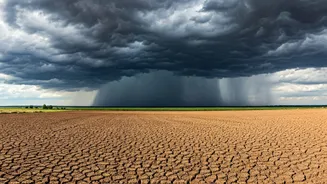
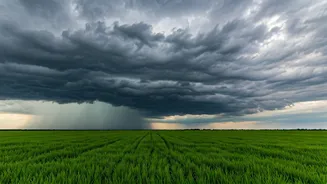
The IMD's latest outlook for July 2026 suggests a cause for vigilance. After one of the driest Junes in over a decade, the forecast predicts below-normal rainfall for July, at less than 94% of the Long Period Average (LPA). This follows a significant
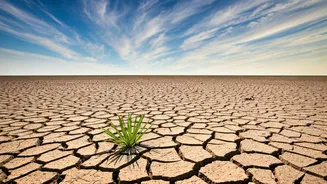
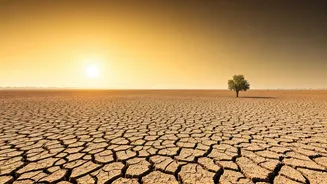
rainfall deficit in June, which saw 39.8% less rain than usual. The overall forecast for the entire June-September monsoon season has been revised downwards to 90% of the LPA, largely influenced by developing El Niño conditions over the Pacific Ocean, which historically correlate with weaker monsoons in India. While some parts of Northwest, Northeast, and East-Central India might see normal to above-normal rain, most of the country is expected to experience subdued rainfall and above-normal temperatures.
Agriculture: The Kharif Conundrum
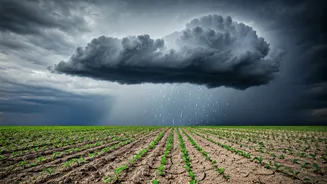
The monsoon's performance is most critical for the agriculture sector, which provides a livelihood for nearly half of India's population. The June-to-September rains are crucial for the Kharif sowing season, which accounts for about half of the country's annual grain production. A weak or delayed monsoon directly impacts the sowing of vital crops like rice, pulses, oilseeds, and cotton. With a significant portion of India's farmland still being rain-fed, the timing and distribution of rainfall are paramount. A deficit can lead to delayed sowing, lower crop yields, and increased stress on farmers, potentially impacting food security and requiring government intervention.
The Economy: Ripple Effects on Display
The impact of the monsoon extends far beyond the fields, creating a ripple effect across the entire economy. Agricultural output is directly linked to rural incomes. A bountiful harvest boosts the purchasing power of a vast rural population, driving demand for goods ranging from fast-moving consumer goods (FMCG) and two-wheelers to tractors and cement. Conversely, a weak monsoon can dampen rural demand, slowing down economic growth. Furthermore, lower crop production can tighten food supplies, leading to higher food inflation. This puts pressure on household budgets and complicates the Reserve Bank of India's task of managing inflation without stifling growth.
Water and Power: Replenishing National Resources
The monsoon is the primary source for replenishing India's water resources, filling up the 166 major reservoirs that are vital for drinking water, irrigation, and industry. As of early June, water storage in these key reservoirs was below 30% of total capacity, making a healthy monsoon season critical. These reservoirs are also essential for hydropower, a key component of India's energy mix. Inadequate rainfall can lead to lower reservoir levels, potentially straining urban water supplies and reducing electricity generation from hydropower plants. This increases reliance on more expensive thermal power, which can drive up energy costs.
A More Resilient, But Still Dependent Nation
While the monsoon's influence remains profound, India's economy has become more resilient to its variations over the decades. Increased irrigation coverage, structural economic diversification away from agriculture, and better government management of food grain stocks have created important buffers. The services sector now accounts for over half of the economy, reducing the direct impact of agricultural performance on overall GDP. However, with a large population still dependent on agriculture and rural demand being a key economic driver, the monsoon remains a fundamental force. The IMD's forecasts are not just predictions; they are crucial inputs for policymakers, farmers, and businesses preparing for the economic landscape ahead.