



The End of an Era
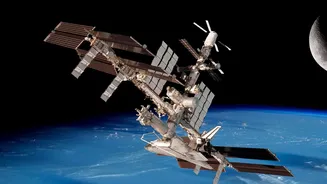
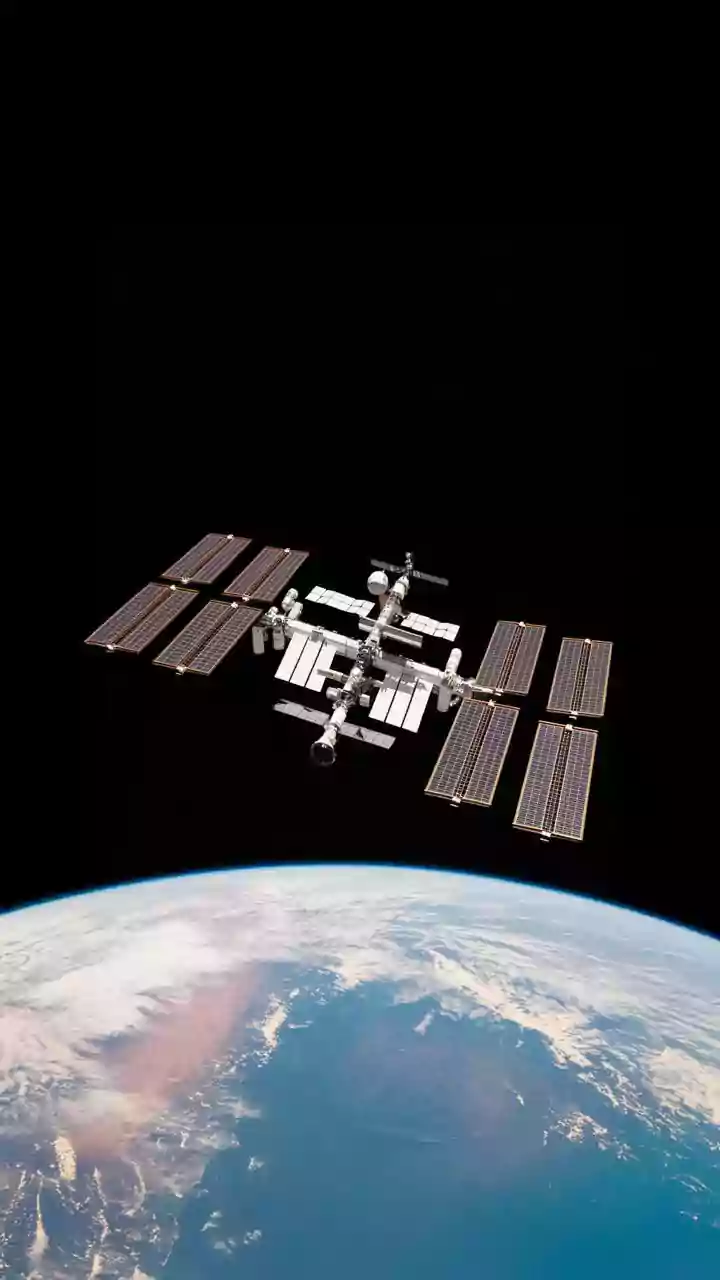
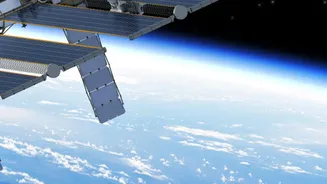
Since its first modules were launched in 1998, the ISS has been a monumental achievement in global cooperation and scientific discovery. It has hosted nearly 300 astronauts from over two dozen countries and served as a world-class laboratory for research
that's impossible on Earth. However, the station is aging. Originally designed for a 15-year lifespan, it now requires nearly $3 billion annually just for NASA's share of operations and maintenance. Like any piece of complex machinery well past its warranty, the ISS faces growing structural issues and rising costs, prompting NASA to plan for its controlled deorbit into the Pacific Ocean by 2031.
A New Commercial Horizon
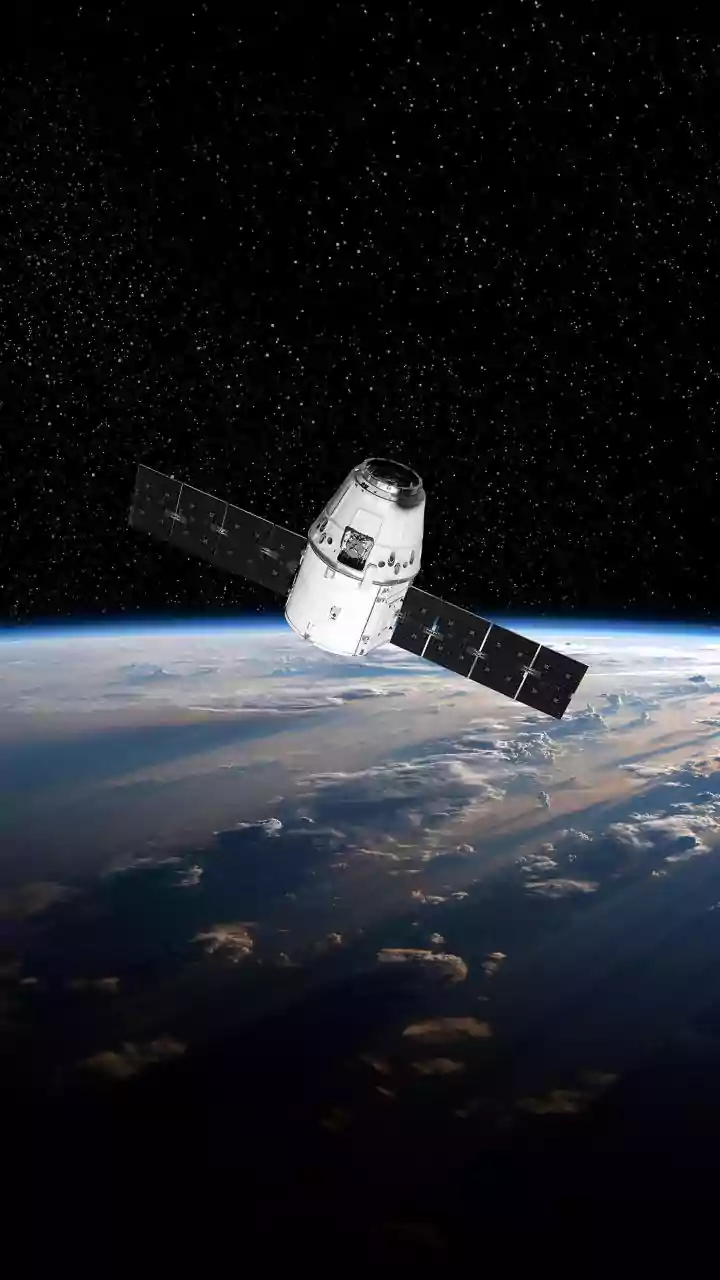
Instead of building another government-owned station, NASA is turning to the private sector. Through its Commercial Low Earth Orbit Destinations (CLD) program, NASA is fostering the development of multiple privately owned and operated space stations. The strategy is based on the success of its commercial cargo and crew programs, which saw companies like SpaceX take over the job of transporting supplies and astronauts to the ISS at a lower cost. By becoming just one of many customers, NASA aims to save money, which it can then redirect toward its deep space exploration goals, like missions to the Moon and Mars. This move is designed to create a robust, competitive economy in low-Earth orbit.
The Race to Build the Successors
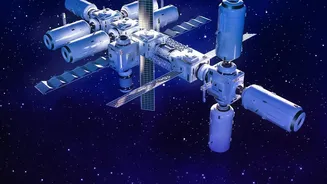
Several companies are now in a race to build the next generation of orbital platforms. Key players include Axiom Space, which is building modules that will first attach to the ISS before becoming a free-flying station. Others are developing standalone stations, such as Starlab, a joint venture between Voyager Space and Airbus, and Vast, which plans to launch its Haven-1 station as soon as 2027. Blue Origin and Sierra Space are also developing the ambitious Orbital Reef, envisioned as a 'mixed-use business park' in space. This variety of platforms is a core part of the new strategy, moving from a single government facility to a diverse commercial marketplace.
The Research Advantage: Cost, Access, and Specialization
Commercial stations promise to democratize access to microgravity research. By operating more like businesses than government projects, they are expected to be more flexible, responsive, and cost-effective. This could open the doors for a wider range of customers, including universities, startups, and international partners who found the ISS program too complex or expensive. Furthermore, different stations can specialize. One might focus on pharmaceutical research and biotech, while another caters to materials science or in-space manufacturing. This allows for tailored environments designed for specific commercial or scientific outcomes, from developing new drugs to manufacturing purer semiconductor crystals.
What Will We Study in Orbit?
Microgravity changes the fundamental rules of physics and biology. With gravity's influence removed, researchers can study phenomena that are masked on Earth. This has profound implications. In medicine, scientists can grow more perfect protein crystals to better understand diseases like Alzheimer's. They can also study how the human body adapts, gaining insights into aging and disease. In materials science, the absence of sedimentation allows for the creation of unique metal alloys. For pharmaceuticals, microgravity can accelerate drug development cycles. These new stations will not only continue the work of the ISS but expand it, creating a pipeline for innovation from orbit back to Earth.