






The Science Behind the Slump
The dreaded 11 a.m. energy crash is a common experience, often caused by a breakfast high in simple carbohydrates and sugar. These foods are broken down quickly, leading to a rapid spike in blood sugar followed by a sharp drop that leaves you feeling
tired and unfocused. The key to sustained energy lies in two key nutrients: complex carbohydrates and fiber. Complex carbs, found in whole grains, are digested more slowly, providing a steady release of glucose into your bloodstream. Fiber further slows this process, promotes fullness, and aids digestion. Together, they create a powerhouse combination that keeps you feeling energized and productive all morning. Many traditional Indian breakfasts have mastered this nutritional balance for generations.
Maharashtra's Gift: Kanda Poha
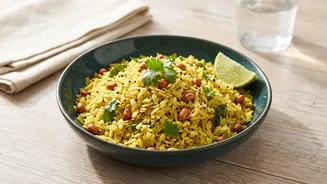
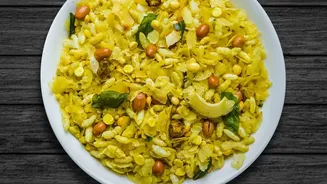
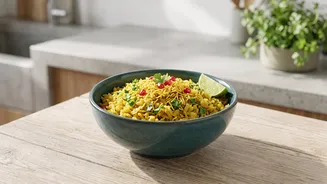
A staple in Western India, poha (flattened rice) is a perfect example of a balanced breakfast. The flattened rice itself is a source of complex carbohydrates that provides lasting energy. While some believe it to be just a carb-heavy dish, its true power comes from how it's prepared. Typically cooked with onions, mustard seeds, and turmeric, it becomes a nutritional powerhouse when vegetables like peas and carrots are added, boosting its fiber content. A garnish of peanuts not only adds a satisfying crunch but also introduces healthy fats and protein, further contributing to a feeling of fullness. A squeeze of lemon at the end doesn't just add flavour; it helps the body absorb the iron present in the poha.
South India's Staple: Idli and Sambar
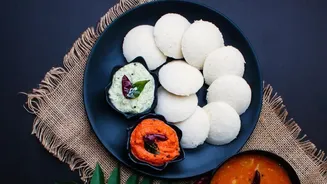
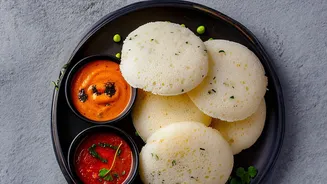
Head south, and you’ll find idli, a steamed cake that is a masterclass in nutritional synergy. Made from a fermented batter of rice and urad dal (black lentils), idlis are light, easy to digest, and packed with benefits. The fermentation process makes the nutrients more bioavailable and introduces probiotics that are great for gut health. The combination of rice and lentils provides both complex carbohydrates and a complete protein. When paired with sambar, a lentil-based stew loaded with vegetables, the meal's fiber and protein content increases significantly. This combination ensures you get a steady supply of energy, protein for satiety, and a host of vitamins and minerals from the vegetables, all with very little oil.
Gujarat's Go-To: Methi Thepla
From Gujarat comes the versatile thepla, a soft flatbread that’s both delicious and incredibly nutritious. Made primarily from whole wheat flour, thepla is an excellent source of complex carbohydrates and fiber. What sets it apart is the addition of fresh fenugreek leaves (methi), which are rich in fiber and help in regulating blood sugar. The dough is often prepared with yogurt, which adds protein and probiotics, and a blend of spices like turmeric and cumin that have their own health benefits. Eaten with a side of plain curd, a thepla breakfast provides a balanced mix of carbs, protein, and fiber that keeps you full and energized for hours.
Building a Better Breakfast
Beyond these popular choices, countless other regional Indian breakfasts offer similar benefits. Options like ragi (finger millet) dosa, sprouted moong dal chilla, and dalia (broken wheat) upma are all fantastic sources of complex carbs and fiber. The principle remains the same: choose whole grains, add vegetables for fiber, and include a source of protein like lentils, sprouts, or yogurt. By making small adjustments, such as opting for brown rice poha or using millet flour for idlis, you can further enhance the nutritional value of these classic dishes. The goal is to create a plate that is balanced and satisfying, setting you up for a successful and energetic day.