




Tyres: Your First Line of Defence
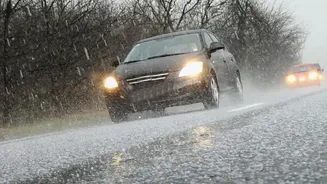
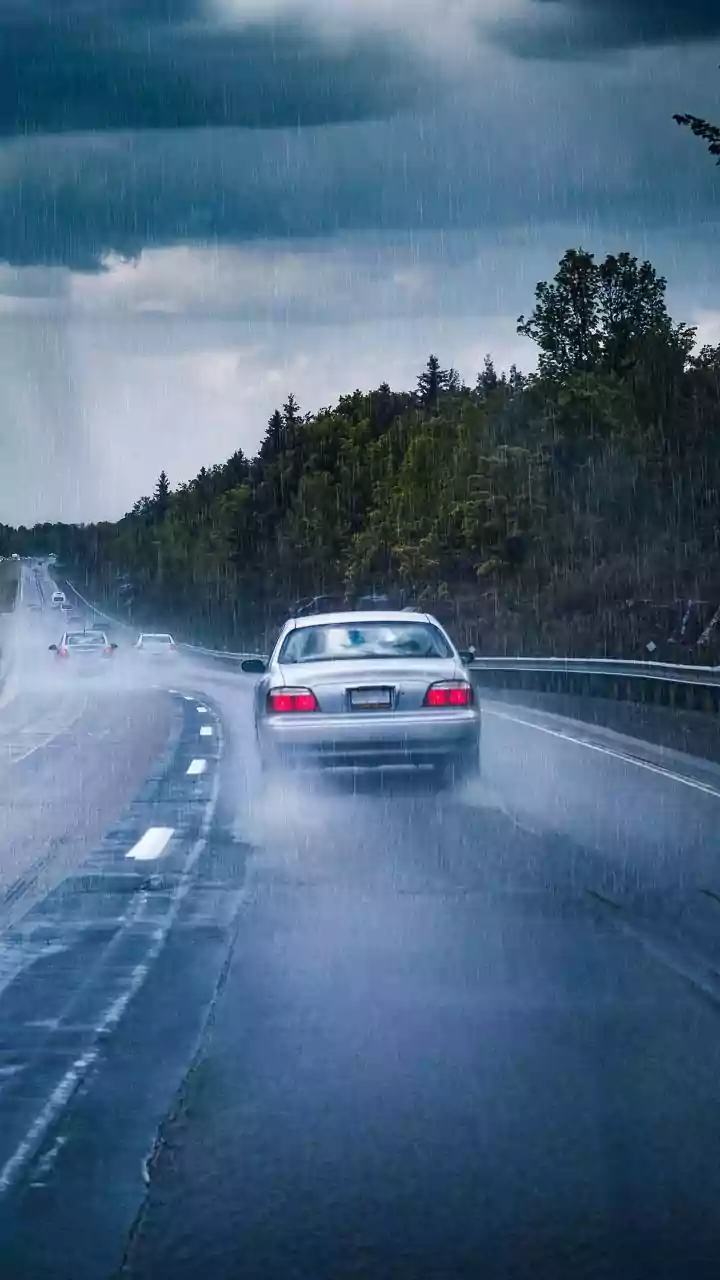
Your tyres are the only part of your car in direct contact with the road, making them critical during the monsoon. Wet roads drastically reduce grip, and worn-out tyres increase the risk of aquaplaning, where a layer of water builds between the tyres and the road surface,
leading to a loss of control. Before you set off, inspect the tread depth. A deeper tread is better at channelling water away. Most tyres have tread wear indicators—small bars of rubber in the grooves. If the tread is level with these bars, it's time for a replacement. Also, check the tyre pressure, including the spare. Incorrect pressure affects handling, braking, and fuel efficiency.
Brakes: Your Most Important Safety System
Wet conditions significantly increase your vehicle's stopping distance. Your braking system must be in top condition to handle the slippery roads. Before your trip, listen for any squealing, grinding, or unusual noises when you apply the brakes. A spongy or soft brake pedal could indicate a problem with the brake fluid, which can absorb moisture over time and become less effective. If you drive through deep water, gently tap your brakes a few times afterwards while moving slowly. This helps dry the brake pads and rotors, ensuring they respond effectively when you need them.
Wipers and Windscreen: See Clearly Through the Downpour
Visibility is one of the biggest challenges when driving in heavy rain. Worn-out wiper blades that leave streaks or skip across the glass are a major safety hazard. Replace them before the monsoon begins; it's an inexpensive fix that makes a world of difference. Also, ensure your windshield washer fluid reservoir is full. Road grime and mud splashed up by other vehicles can quickly obscure your vision, and you'll need plenty of washer fluid to keep the windscreen clear. Applying a rain-repellent solution to the windshield can also help water bead up and roll off easily.
Lights and Electricals: Be Seen and Stay Powered
In the dim light of a heavy downpour, it's crucial that you can see and be seen. Walk around your car and check that all lights are working: headlights (both high and low beams), taillights, brake lights, and turn indicators. High humidity and moisture can wreak havoc on a car's electrical systems. A weak battery is more likely to fail during the monsoon due to the extra load from wipers, lights, and the air conditioner. Check the battery terminals for any signs of corrosion (a white or greenish crust) and ensure the connections are tight. If your battery is more than a few years old, it's wise to have it professionally tested.
AC and Cabin Comfort: Stay Dry and Defogged
Your car's air conditioning system does more than just cool the cabin; it's a vital tool for defogging your windows. High humidity during the monsoon causes the inside of your windshield and windows to fog up quickly, severely impairing visibility. The AC removes moisture from the air, clearing the glass much faster than just a fan. Before your trip, check if the AC is cooling effectively. If it seems weak, it might need a service. Also, inspect the rubber seals around your doors and windows for any cracks or damage to prevent water from leaking into the cabin, which can lead to damp interiors and musty smells.
The Monsoon Emergency Kit
Even with the best preparation, unexpected issues can arise. A well-stocked emergency kit can be a lifesaver. Your kit should include a tow rope, a high-visibility warning triangle, a powerful flashlight with extra batteries, and a first-aid kit. Given the Indian context, it's also wise to pack a portable tyre inflator, a puncture repair kit, and some dry towels or old clothes. A fully charged power bank for your phone is non-negotiable for staying connected in case you need to call for roadside assistance. Never venture into waterlogged roads if you are unsure of the depth; it's always safer to wait or find an alternate route.