



The Theatre of the Street
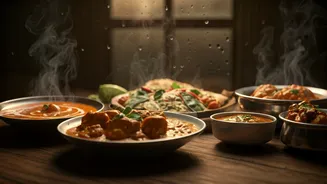
The scene is a familiar one for any Indori. At legendary spots like Lal Balti, famous for its tell-tale red bucket sign, or the ever-popular Ravi Alpahar, people from all walks of life gather. The air is thick with the fragrance of hot oil and spices
as perfectly rounded discs of dough are slipped into a giant kadhai, emerging moments later as golden, puffed-up kachoris. The vendor, a master of his craft, moves with an economy of motion, his hands a blur as he serves up these savoury parcels with a dollop of fiery green chutney. The queue itself is a great leveller—students, office-goers, and families stand side-by-side, united by a shared craving. The wait isn’t an inconvenience; it’s part of the experience, a moment of communal anticipation for a taste that defines their city.
Anatomy of an Indori Kachori
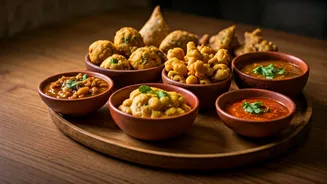
So, what makes these kachoris worth the wait? Unlike the dal-stuffed versions common in other parts of India, Indore's most beloved kachori is often filled with a spicy, flavourful potato mixture (aloo). This isn't just any potato filling; it’s a zesty blend of mashed potatoes, herbs, and the city's signature spices. But the variety doesn't end there. Shops offer an array of choices, from the pungent *hing* kachori to those filled with peas (*matar*) or lentils (*moong*). The casing is fried to a perfect crispness—a delightful shatter that gives way to the soft, steaming interior. Paired with a spicy chutney, often a 'thecha' made from green chillies, it creates a flavour explosion that is both comforting and exhilarating. Some places like Ravi Alpahar even offer a special *fariyali kachori* for those who are fasting, showcasing the snack's deep integration into local life.
A Bite of History
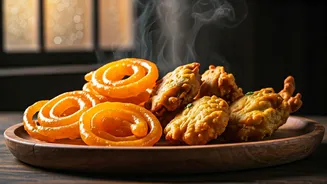
The kachori has a long and storied history in India, with mentions dating back centuries. Some records even suggest that kachoris were being sold and enjoyed in Indore as far back as 1613. Believed to have originated in the Marwari communities of Rajasthan, the snack travelled with traders and migrants, adapting to local tastes along the way. In Indore, a city with a rich culinary heritage influenced by Maratha, Malwi, and Marwari cultures, the kachori found a special home. The Holkar dynasty, which shaped much of Indore's modern identity, helped foster a sophisticated food culture where street food was elevated to an art form. The kachori, alongside the quintessential Indori breakfast of poha-jalebi, became a cornerstone of this vibrant culinary landscape.
The Capital of Street Food
You cannot understand the kachori queue without understanding Indore's status as India's undisputed street food capital. This is a city that lives and breathes food. The phenomenon is most famously embodied by two iconic food streets: Sarafa Bazaar and Chappan Dukan. Sarafa, a jewellery market by day, transforms into a bustling food paradise by night, staying open until the early hours. Chappan Dukan (meaning 56 shops) is a curated stretch of eateries offering everything from chaat to hot dogs and sweets. Many famous kachori vendors, like Vijay Chaat House, are institutions in these foodie hubs. In this context, the kachori is more than just a snack; it's a thread in a rich tapestry of flavours and experiences that make Indore a pilgrimage site for food lovers. The daily queue is a vote of confidence, a recurring affirmation that these heritage recipes are as vital and loved today as they were generations ago.