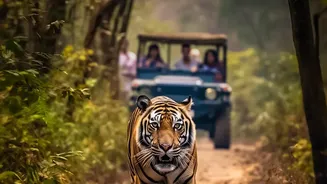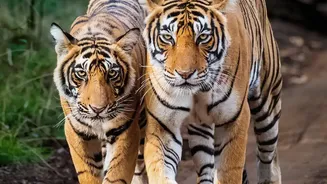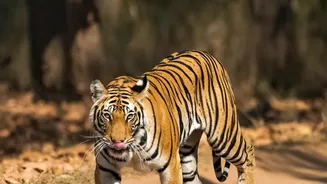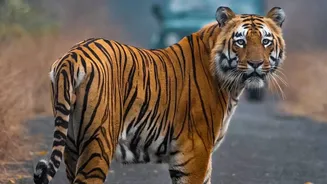





A Park Reawakened by Rain
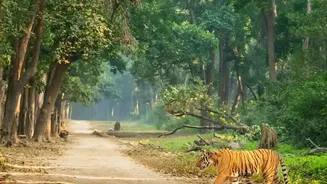
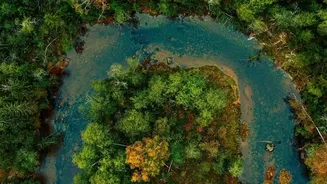
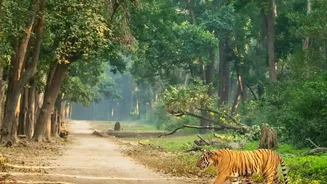
The annual monsoon closure allows Bandhavgarh’s ecosystem to rejuvenate, and as the park reopens on October 15th, the transformation is breathtaking. The dry, dusty trails of summer give way to a vibrant, emerald landscape. Towering Sal trees glisten,
grasslands are lush and green, and the air is filled with the scent of wet earth. This post-monsoon period, from October through November, offers a unique safari experience. The forest feels alive and renewed, waterholes are full, and the entire ecosystem is buzzing with activity. For photographers and nature lovers, this season provides the perfect backdrop of a verdant jungle for wildlife spotting.
Your Guide to the Safari Zones
Bandhavgarh is divided into several safari zones, each with its own character. The park has three main core zones: Tala, Magadhi, and Khitauli. Tala is the oldest and perhaps most famous zone, renowned for its high tiger density and dramatic, hilly terrain which includes the historic Bandhavgarh Fort. Magadhi offers a mix of dense forest and open grasslands, also providing excellent chances for tiger sightings. Khitauli, known for its drier, more open forests, is a great place to spot other wildlife like sloth bears and Nilgai (blue bull). In addition to the core areas, buffer zones like Dhamokar, Johila, and Panpatha offer a quieter, less crowded safari experience and remain open year-round. For first-time visitors, securing a permit for one of the core zones is highly recommended.
Planning Your Autumn Safari
Booking your safari well in advance is crucial, as permits for the popular core zones sell out quickly, often up to 120 days ahead. All bookings must be made through the official Madhya Pradesh Forest Department online portal. You will need to provide a government-issued ID for each visitor. A single jeep safari can accommodate up to six visitors, plus a driver and a mandatory guide. The autumn safari timings are generally from around 6:30 AM to 11:00 AM for the morning session and 2:30 PM to 5:30 PM for the afternoon drive. Remember that core zone safaris are closed on Wednesday afternoons, as well as on major holidays like Diwali.
Wildlife Beyond the Stripes
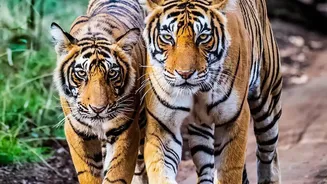
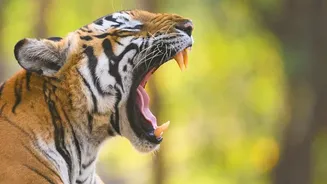
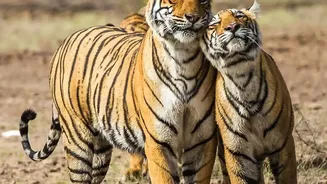
While Bandhavgarh is celebrated for having one of the highest tiger densities in India, the post-monsoon forest is teeming with other life. Herds of spotted deer (chital) and sambar are a common sight, grazing in the fresh meadows. The thriving ecosystem also supports a healthy population of leopards, wild boar, jackals, and langurs. The autumn season is particularly rewarding for birdwatchers. The replenished water bodies attract a variety of resident and migratory birds, including kingfishers, storks, and eagles, making every moment of the safari an opportunity for a new discovery.
Essential Tips for Visitors
To make the most of your trip, a little preparation goes a long way. For the cool autumn mornings, dressing in layers is advisable, as temperatures can be brisk at dawn. Neutral-coloured clothing is best to blend in with the surroundings. Don’t forget essentials like binoculars for better viewing, a good camera, sunglasses, and your original ID proof for verification at the park gate. Inside the park, maintain silence and follow your guide's instructions. Do not carry plastic bags, and remember that feeding animals is strictly prohibited. Hiring a knowledgeable and experienced guide can significantly enhance your safari, as they are skilled at tracking animals and interpreting the jungle's signs.