







Start with Your Passport and Visa
Before you even think about booking flights, check your passport. Many countries require your passport to be valid for at least six months from your intended date of return, not just your departure date. A last-minute discovery of an expiring passport can
halt your trip before it begins. Once you've confirmed your passport's validity, research the visa requirements for your chosen destination. For Indian passport holders, destinations are categorised as visa-free, visa-on-arrival, e-visa, or requiring a traditional sticker visa. For your first trip, consider countries with simpler visa processes like Thailand, Malaysia, or Sri Lanka to ease into the process. Always use the official embassy or consulate website for the most accurate visa information.
Book Flights and Stays Strategically
The ideal time to book international flights is generally 2-3 months in advance for the best fares. Use flight comparison websites but also check the airline’s official site. Pay close attention to baggage allowances, as these can vary significantly. When choosing accommodation, prioritise location over luxury. Staying in a central area close to public transport can save you a lot of time and money on local travel. If your visa is still in process, book 'fully refundable' options for both flights and hotels. Once the visa is approved, you can confirm your bookings.
Sort Out Your Money Matters
Managing money abroad is simpler than it seems. The best approach is a combination of a forex card and a credit/debit card. A forex card is a prepaid travel card that you can load with foreign currency before you leave, which locks in the exchange rate and helps you stick to a budget. They are generally more cost-effective than using credit cards for every transaction due to lower mark-up fees. Carry a small amount of local currency for immediate expenses upon arrival, like taxis or snacks. Crucially, inform your bank about your travel dates to prevent them from flagging your international transactions as suspicious and freezing your cards.
Stay Connected Without Huge Bills
Using your home SIM on international roaming can be incredibly expensive. For a more budget-friendly option, you have two main choices: a local SIM card or an eSIM. A local SIM card, which you can usually buy at the airport, gives you a local number and access to much cheaper data plans. An eSIM is a digital SIM that you can install on compatible phones before you even leave home, offering the convenience of being connected the moment you land. Both are significantly cheaper than roaming and give you the data you need for maps, bookings, and staying in touch.
Don't Skip Travel Insurance
Travel insurance is non-negotiable for international trips. It's a safety net that protects you from a range of unexpected events, from medical emergencies and trip cancellations to lost baggage and flight delays. Medical treatment abroad can be extremely expensive, and a good insurance policy covers these costs, providing peace of mind. For some regions, like the Schengen Area in Europe, having valid travel insurance is a mandatory requirement for the visa application itself. It’s a small investment for significant protection.
Pack Smart and Keep Documents Safe
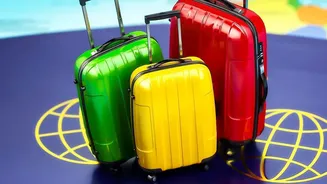
Overpacking is a classic rookie mistake. Pack versatile clothing that you can layer and mix-and-match. Remember that you can do laundry on your trip. Leave some space in your luggage for souvenirs. Always pack a universal travel adapter and a portable power bank. Prepare a dedicated travel folder for your essential documents: passport, visa, flight tickets, hotel bookings, and insurance policy. Keep both physical printouts and digital copies saved offline on your phone and on a cloud service. This backup can be a lifesaver if anything gets lost.