






A Return to Thoughtful Gatherings
In an era of fast-paced living and disposable convenience, a growing number of young Indians are making a conscious choice to slow down and host with intention. This shift is most visible during festive seasons, where the usual heaps of plastic cutlery
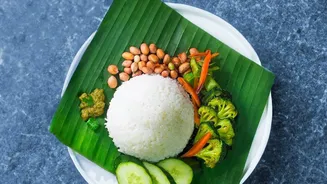
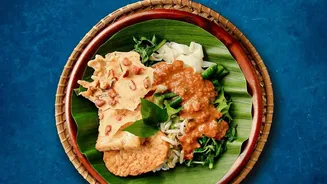
and paper plates are being replaced by the vibrant green of banana leaves. This isn't just about nostalgia; it's a modern movement that blends environmental responsibility with cultural pride. Driven by an awareness of the waste generated by social gatherings, these hosts are redefining what a celebration looks like. They are proving that a party can be both memorable and mindful, turning away from single-use items in favour of materials that are natural, beautiful, and fully biodegradable. This trend is part of a larger, nationwide push towards zero-waste events, from small home parties to large weddings.
The Banana Leaf Advantage
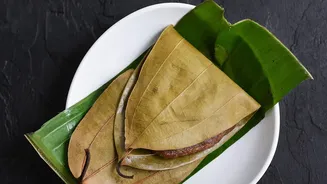
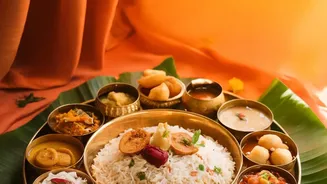
So, why banana leaves? The benefits are layered. Firstly, they are a supreme example of sustainable design. Completely natural and biodegradable, a banana leaf plate can be composted after a meal, returning to the earth without a trace. This eliminates the plastic and styrofoam waste that plagues modern events. Beyond their eco-credentials, banana leaves offer practical advantages. Their large, waxy surface is naturally waterproof, making them a sturdy base for a full Indian meal of rice, curries, and dals. When hot food is served on the leaf, it releases polyphenols—natural antioxidants also found in green tea—and imparts a subtle, earthy aroma that enhances the flavour of the meal. They are also inherently hygienic, with natural antimicrobial properties that can help kill bacteria in food.
Curating a Regional, Organic Menu
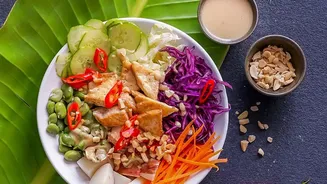
The sustainable ethos extends from the plate to the food served on it. The other half of this trend is a focus on regional and organic ingredients. Young hosts are moving away from generic, mass-produced catering menus and instead building their feasts around what is fresh, local, and seasonal. This means menus featuring millets, indigenous grains, and vegetables sourced from local farmers' markets. A festive meal might include dishes made with seasonal gourds, fresh coconut, and jaggery instead of refined sugar. This approach not only reduces the carbon footprint associated with transporting ingredients over long distances but also supports local agricultural communities. By celebrating the produce of their own region, these hosts are creating meals that are authentic, flavourful, and deeply connected to their cultural landscape.
How to Host Your Own Green Feast
Adopting this style of hosting is simpler than it might seem. Sourcing banana leaves is increasingly easy, with many local vegetable vendors and even online suppliers offering them, especially in regions like Tamil Nadu, Kerala, and Karnataka where their use is widespread. To prepare them, the leaves simply need to be rinsed with water and wiped dry. Some hosts briefly run them over a low flame to make them more pliable and to release their natural aroma. When planning the menu, start by visiting a local market to see what is in season. Building your meal around fresh, local produce is the core of the concept. Think about one-pot dishes, regional specialties, and finger foods that minimise the need for complex cutlery. Extend the eco-friendly theme to your decor by using earthen lamps (diyas), marigold flowers, and fabric hangings instead of plastic decorations.