


The Off-Season's New Allure
Traditionally, Goa's monsoon season, from June to September, was considered the off-season. Heavy rains, rough seas, and the closure of many beach shacks meant fewer tourists. But what was once a deterrent is now the main attraction for a new kind of visitor:
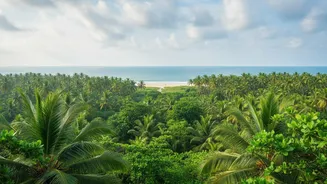
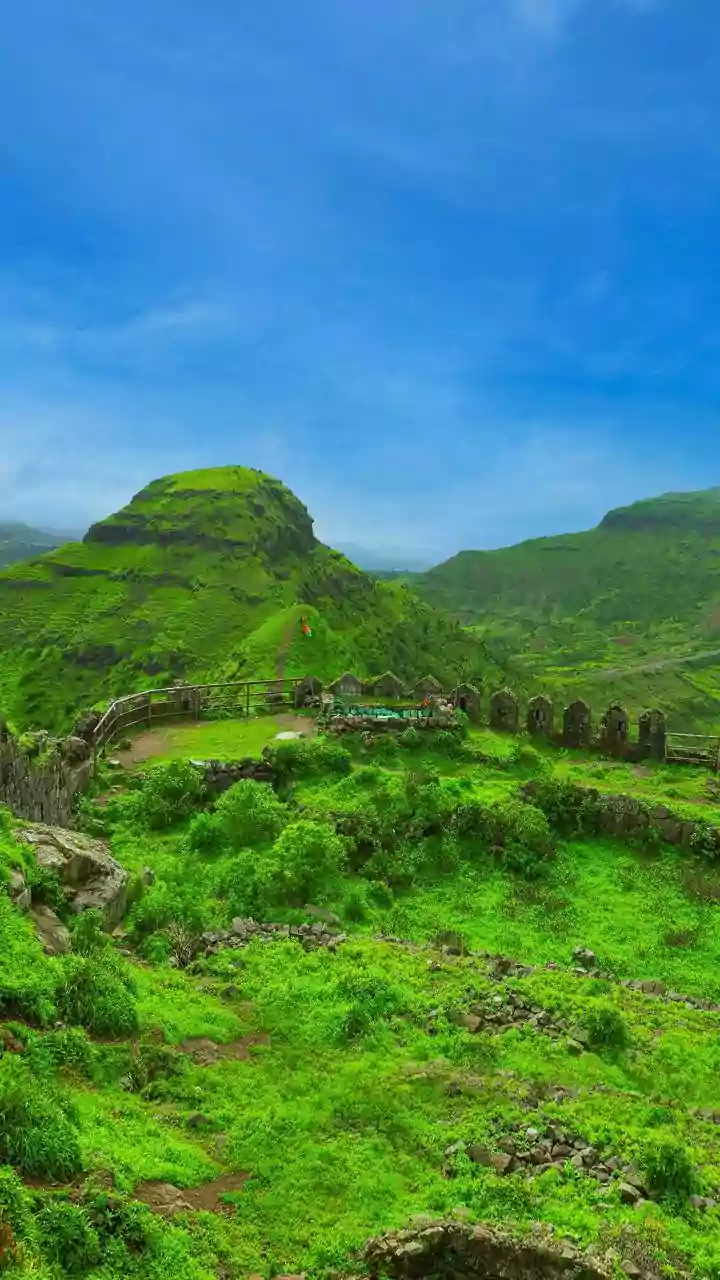
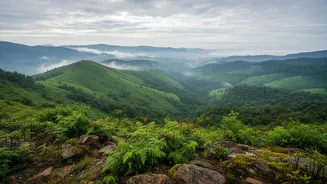
the digital nomad. They come seeking peace, not parties. The monsoon transforms Goa into a lush, emerald paradise. With fewer tourists, the beaches are serene, prices for accommodation drop significantly, and the atmosphere becomes relaxed and local. For a remote worker, this quiet environment is perfect for deep work and creative thinking, a stark contrast to the hectic energy of the peak season.
Why Palolem is a Monsoon Magnet
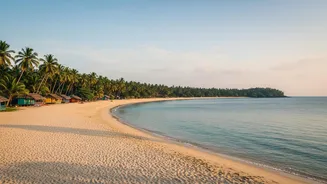
While North Goa has long been the epicentre of tourism and nightlife, the quieter, scenic beaches of South Goa are becoming hotspots for digital nomads. Palolem, with its crescent-shaped beach and calm vibe, is particularly appealing. It offers a blend of natural beauty and the necessary infrastructure for remote work. Unlike the more commercialised beaches, Palolem retains a 'susegad'—or relaxed—Goan charm, even while providing cafes and workspaces. Critically, power cuts and unreliable internet have always been a challenge in Goa, especially during the monsoon. This is where dedicated co-working spaces have stepped in to solve a major problem for the professional community.
The Rise of the Co-Working Pass
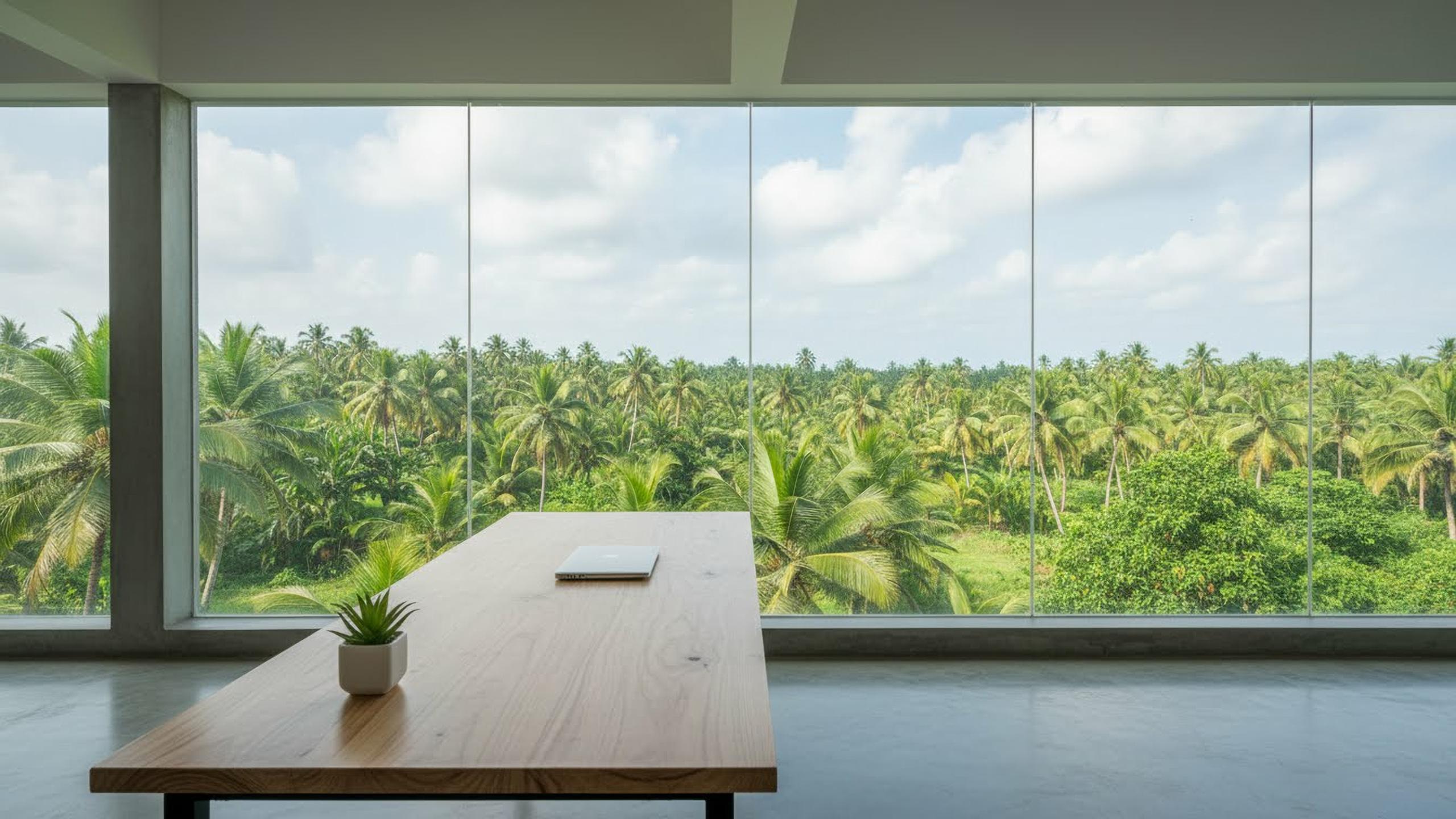
To cater to this growing demographic, co-working hubs in and around Palolem have introduced flexible passes designed for the monsoon season. Spaces like The Palm House and Kanvas Palolem offer daily, weekly, and monthly passes that provide much more than just a desk. For a set fee, a nomad gets access to high-speed internet with generator backup, guaranteeing connectivity even during frequent power outages. These passes often include complimentary coffee and snacks, access to meeting rooms, and comfortable, ergonomic workstations. For someone staying for a few weeks or months, a weekly pass for around ₹3,000 or a monthly pass for about ₹10,000 offers a cost-effective and reliable solution for a professional work environment. This model provides stability for the worker and a steady income stream for the business during the otherwise slow monsoon months.
More Than Just Wi-Fi and a Desk
The real value of these spaces goes beyond infrastructure. For a digital nomad, especially during the quiet monsoon, loneliness can be a real issue. Co-working spaces double as community hubs, fostering connections among like-minded professionals. They organize networking events, workshops, and social gatherings, from open-mic nights to group treks to nearby waterfalls, which are at their most spectacular during the rains. These curated experiences help build a sense of community and provide a social life that's harder to find when many tourist spots are closed. This community aspect is a powerful draw, turning a solo work trip into a collaborative and socially enriching experience.
A Sustainable Future for Goan Tourism
This trend of monsoon digital nomads represents a significant shift for Goa's tourism-dependent economy. It helps to smooth out the extreme seasonality of the industry, providing year-round business for not just co-working spaces but also for local cafes, restaurants, and rental services that choose to stay open. By attracting a demographic that stays longer and integrates more into the local fabric, it fosters a more sustainable and less frantic form of tourism. This new model proves that with the right infrastructure and offerings, Goa’s “off-season” can be rebranded as a unique “focus season,” attracting a global workforce in search of balance, productivity, and the unparalleled beauty of a rain-soaked paradise.