






What Exactly Is an Infrared Sauna?
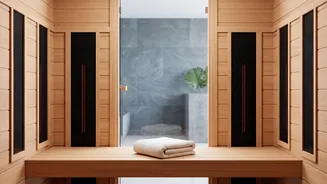
Unlike a traditional sauna that heats the air around you to very high temperatures, an infrared sauna uses advanced heaters that emit infrared light. This light is invisible to the naked eye but penetrates the skin to warm your body directly from within.
The result is a deep, therapeutic sweat at a much lower and more comfortable air temperature—typically around 48°C to 60°C, compared to the 70°C to 90°C of traditional saunas. Many people find this gentler heat more tolerable, allowing for longer, more relaxing sessions.
Aiding Faster Muscle Recovery
For anyone who exercises regularly, dealing with sore muscles is a familiar challenge. Infrared sauna therapy may offer a solution by helping to accelerate recovery. The infrared heat penetrates deep into muscle tissue, increasing blood circulation. This enhanced blood flow delivers more oxygen and essential nutrients to fatigued muscles, which can help repair damage and reduce inflammation. Some studies have shown that regular sessions after a workout can decrease delayed onset muscle soreness (DOMS), helping you get back to your training schedule faster and with less discomfort.
Melting Away Everyday Stress
In our fast-paced lives, managing stress is crucial for overall health. Infrared saunas can be a powerful tool for relaxation. The gentle, enveloping warmth helps activate the body's parasympathetic nervous system—our natural “rest and digest” mode. This process can help lower levels of cortisol, the body's primary stress hormone. As cortisol levels drop, feelings of anxiety can decrease, leading to a state of mental calm and clarity. Many users report emerging from a session feeling not just physically relaxed but mentally refreshed, too.
Paving the Way for Better Sleep
A good night's sleep can feel elusive, but infrared saunas may help regulate your sleep cycle. The therapy works in a couple of ways. Firstly, by reducing stress and promoting relaxation, it prepares your mind for rest. Secondly, the rise in your core body temperature during a session is followed by a natural cool-down period afterwards. This cooling process signals to the brain that it’s time to wind down, potentially stimulating the release of melatonin, the hormone that governs sleep. Regular use has been linked to improved sleep quality, helping you fall asleep faster and enjoy a more restorative rest.
What to Know Before You Go
While infrared saunas are safe for most healthy adults, there are important considerations. Hydration is key, so be sure to drink plenty of water before, during, and after your session. It's best to start with shorter sessions (around 15-20 minutes) at a lower temperature and gradually increase as you become more comfortable. People with certain medical conditions, such as cardiovascular disease, unstable blood pressure, or multiple sclerosis, and those who are pregnant should consult a doctor before using an infrared sauna. It's also advised to avoid sauna use if you have a fever or an acute injury. Always listen to your body and leave immediately if you feel dizzy, nauseous, or unwell.