







The Multiplex Math Problem
A trip to the cinema is no longer a casual expense. In major metro cities, a premium ticket for a weekend blockbuster can soar, with recliner or IMAX seats costing anywhere from ₹800 to over ₹2,000. Even standard seats for a regular show often cross the ₹300-400
mark, especially during primetime. Then comes the concessions stand, a zone of legendary markups. A tub of popcorn and a soft drink can easily add another ₹500-800 to the bill. While multiplexes have introduced some weekday combo offers starting from ₹99, the weekend reality remains expensive. For a young couple or a small group of friends, a single movie outing can approach the cost of a full year's subscription to a major streaming service.
The Unbeatable Value of Streaming
Contrast the multiplex bill with the streaming alternative. A Netflix premium plan, offering 4K content on four screens, costs ₹649 per month. An annual Amazon Prime membership, which includes Prime Video, is ₹999. Disney+ Hotstar's premium annual plan is priced at ₹1499, giving a family access to a vast library of movies, shows, and live sports. For the price of two premium movie tickets, one can have a year-long, all-access pass to thousands of titles across multiple platforms. This economic disparity is the single biggest factor driving the shift. Studies show that Gen Z and millennials are acutely aware of this value gap, with many citing the cost-effectiveness of subscriptions as a primary reason for preferring OTT platforms.
Crafting the Personal Cinema
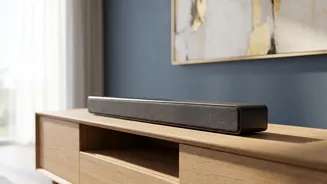
The trend goes beyond simply watching on a laptop. Young Indians are actively investing in creating dedicated, comfortable home-viewing environments. The market for affordable home entertainment gear is booming. Entry-level 1080p projectors can now be found for under ₹10,000, turning any blank wall into a massive screen. For those willing to spend between ₹10,000 and ₹25,000, high-quality smart projectors with built-in Android TV and excellent brightness become accessible. Add a soundbar for immersive audio (starting from a few thousand rupees), some smart ambient lighting, and comfortable seating, and the living room is transformed into a personal cinema. This isn't just about saving money; it's about upgrading the experience.
Control, Comfort, and Community
The appeal of the home setup extends far beyond finances. It offers a level of control and comfort that a public theatre cannot match. Viewers can pause the movie for a break, control the volume, and rewind to catch a missed line of dialogue. There's no need to whisper or worry about disturbing others. The social aspect also changes; a home viewing becomes an intimate, shared experience with close friends, where you can chat and react freely. Research highlights that Gen Z, in particular, values this flexibility and control, alongside the ability to binge-watch an entire series at their own pace—a habit that streaming platforms have cultivated.
A New Role for the Big Screen
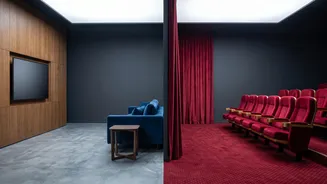
This doesn't spell the end for multiplexes, but it does signal a fundamental shift in their role. The cinema is evolving from a weekly habit into a premium event destination. Audiences are still willing to pay top rupee for a true spectacle—the visual grandeur of a Christopher Nolan epic on an IMAX screen or the collective energy of a first-day-first-show for a major Bollywood release. However, for the majority of films, the compelling combination of cost, comfort, and convenience has made the cozy home setup the new default. Multiplexes are no longer competing with each other as much as they are competing with the comfort of their audience's own couch.