


Taro Root (Arbi): More Than Just The Leaves
Colocasia, or arbi, is synonymous with the monsoon, largely thanks to the iconic snacks made from its leaves. But the humble taro root itself is a nutritional powerhouse that deserves year-round attention. This starchy vegetable has a subtly sweet and
nutty flavour, making it an excellent substitute for potatoes. Rich in dietary fibre, it aids in digestion and weight management. Taro is also packed with essential minerals like potassium and magnesium, which are vital for heart health and regulating blood pressure. Its low glycemic index makes it a favourable carbohydrate choice for those managing blood sugar levels. Don't discard this versatile tuber after the rains. Use it in hearty stews, mash it as a side dish, slice it into chips and air-fry for a healthy snack, or add it to curries where it soaks up flavour beautifully.
Pointed Gourd (Parwal): The Versatile Wonder
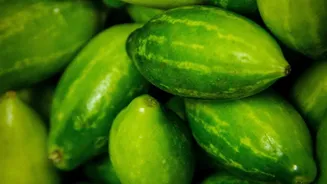
Pointed gourd, or parwal, is a staple in many Indian households during the monsoon. This small, green vegetable is celebrated for its digestibility and numerous health benefits. What makes it a great pantry candidate is its durability and versatility. Parwal can be the star of a simple stir-fry, a rich gravy, or even a stuffed delicacy. It can be prepared in various regional styles, from a simple Punjabi sabzi with potatoes to a Bengali-style curry. Beyond the monsoon, think of using parwal in mixed vegetable preparations or even pickling it. Its firm texture holds up well to different cooking methods, including air frying for a lighter version of traditional fried dishes. You can make a simple, dry sabzi or a more elaborate stuffed dish, ensuring it never gets boring.
Bottle Gourd (Lauki): The Humble Powerhouse
Often dismissed as bland, bottle gourd, or lauki, is one of the most versatile and healthy vegetables available, thriving during the monsoon. With a water content of about 96%, it is incredibly hydrating and easy on the digestive system, making it perfect for humid weather. Its mild taste is its greatest strength, allowing it to act as a canvas for a wide array of flavours. While commonly used in everyday sabzis and dals, lauki's potential extends much further. It can be grated into koftas, blended into cooling raitas, or even transformed into a delicious halwa for dessert. Its juice is also prized for its health benefits, including aiding in weight loss and maintaining heart health. By stocking it, you have a base for soups, curries, parathas, and even sweets.
Indian Plum (Jamun): A Tangy Pantry Staple
The deep purple Indian plum, or jamun, is a fleeting monsoon delight. Its unique sweet, sour, and slightly astringent taste is unforgettable. While the fresh fruit has a short season, its benefits don't have to be. Jamun is rich in nutrients like iron and vitamin C and is traditionally used to help manage blood sugar levels. To enjoy it year-round, you can easily preserve it. Creating a jamun syrup or concentrate is a simple process of simmering the pulp with a little sugar and lemon juice. This syrup can then be used to make refreshing drinks, flavour yoghurts, or even be used in cocktails. You can also freeze the pulp or make a jamun preserve, which pairs wonderfully with cheese or toast. These preserved forms allow you to capture the essence of the monsoon in a jar.
Amaranth (Chaulai/Rajgira): The Leaf and The Grain
Amaranth leaves, known as chaulai, are a common sight in monsoon markets. These tender greens are packed with iron, calcium, and vitamins A and C, making them excellent for boosting immunity. While the fresh leaves are seasonal, the plant provides another gift that lasts all year: amaranth seeds, or rajgira. These tiny seeds are a gluten-free pseudocereal, celebrated for being a complete protein source. Rajgira flour can be used to make rotis, pancakes, and ladoos, offering a nutritious alternative to wheat. The popped seeds can be added to granola or porridge for extra crunch and protein. By embracing both the seasonal leaves and the shelf-stable grain, you get the best of both worlds from this single, incredible plant.