






1. Go Local with Your Food
The phrase ‘go green’ often starts with what’s on your plate. Instead of relying solely on large supermarkets, try rediscovering your local sabzi mandi or farmers' market. The benefits are immediate and tangible. You’ll find produce that is seasonal,
fresher, and often more flavourful because it hasn’t travelled hundreds of kilometres in a refrigerated truck. This simple shift supports local farmers and the regional economy. ‘Living better’ here means eating healthier, more nutrient-dense food that hasn't lost its vitality in transit. It also means less packaging waste, as you can often buy vegetables and fruits loose. Carry your own cloth bags and you’ve already taken a significant step towards reducing plastic consumption while enjoying food that truly tastes of the season.
2. Master Your Household Waste
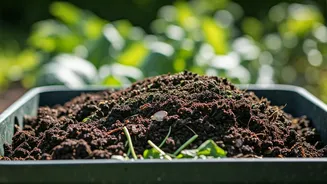
Managing waste in an Indian city can feel overwhelming, but taking control of your own household's output is empowering. Start by setting up a simple two-bin system: one for wet waste (kitchen scraps like vegetable peels, leftover food) and one for dry waste (paper, plastic, glass, metal). Many municipalities now support waste segregation. The ‘live better’ part? Your kitchen bin will smell less, you’ll attract fewer pests, and you’ll be contributing to a more efficient recycling system. For those with a small balcony or terrace, composting your wet waste is a game-changer. A simple terracotta pot (khamba) can turn your kitchen scraps into nutrient-rich manure for your plants, creating a beautiful, circular system right in your home. You reduce landfill load and get free, high-quality fertiliser in return.
3. Be Smart About Energy and Water
A greener life is also a more efficient one, and that translates directly to savings on your utility bills. Start with the low-hanging fruit: switch all your bulbs to energy-efficient LEDs. They consume a fraction of the electricity and last much longer. Get into the habit of unplugging chargers and appliances when not in use; many continue to draw ‘phantom power’ even when switched off. Embrace natural light by opening curtains during the day. Similarly, be mindful of water. Fix leaky taps immediately—a single drip can waste thousands of litres a year. Consider installing aerators on your taps, which reduce water flow without sacrificing pressure. Living better, in this case, is the satisfaction of a lower electricity and water bill each month, and the knowledge that you’re conserving precious resources.
4. Break Up with Single-Use Plastic
Single-use plastic is everywhere, but you have the power to refuse it. The journey begins with a simple kit: a reusable water bottle, a coffee cup if you buy takeaways, a set of steel straws, and a few cloth bags for shopping. Keep them in your car or your daily backpack so they’re always handy. When ordering food online, look for the option to opt out of disposable cutlery. At your local kirana store, ask them not to put your items in a plastic bag. Initially, it requires conscious effort, but soon it becomes second nature. The reward is a less-cluttered life, a cleaner environment, and reduced exposure to potentially harmful chemicals that can leach from plastic into your food and drink. This is about taking back control from a culture of disposability.
5. Cultivate Your Own Green Corner
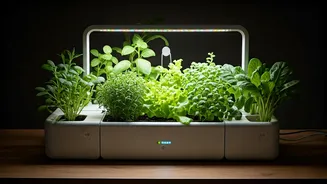
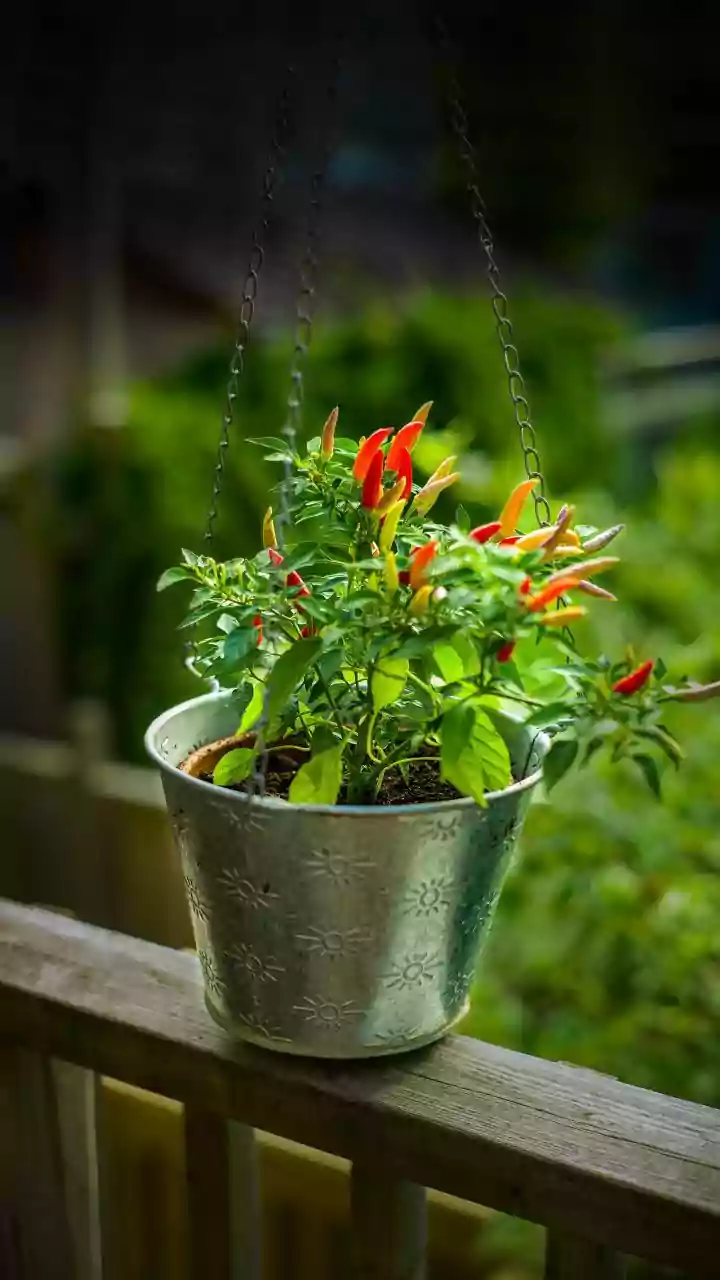
You don’t need a large garden to connect with nature. Even the smallest apartment balcony or windowsill can become a source of joy and fresh produce. Start with simple, hardy herbs that are frequently used in Indian cooking, like coriander, mint, or curry leaves. Having them on hand means you save money and reduce waste from buying large, plastic-wrapped bunches. These plants also act as natural air purifiers, improving the quality of the air you breathe at home. The act of tending to plants has been shown to reduce stress and improve mental well-being. This version of ‘living better’ is about creating a small, personal sanctuary that brings a touch of nature indoors, provides you with the freshest possible ingredients, and offers a quiet, mindful activity in a busy world.