





Why Pre-Travel Checks Are Non-Negotiable
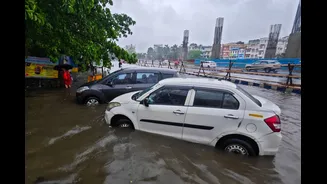
Travelling to be with loved ones during a festival is a cherished tradition across India. However, this mass movement often coincides with challenging conditions. Major festivals can fall during the monsoon, bringing heavy rains and floods, or in winter,
with dense fog disrupting transport. The sheer volume of people on the move means highways get clogged, and public transport is overbooked. A last-minute rush can lead to chaos, turning a happy journey into a stressful ordeal. Simple checks on weather and routes before you start can help you avoid major bottlenecks, stay safe, and keep the festive spirit alive. It's not about fearing the worst but about being prepared for the realities of festival travel in a country of a billion-plus people.
Mastering the Weather Forecast
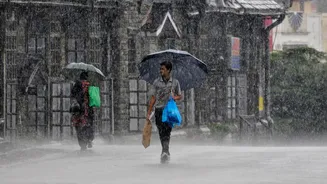
The first step in your travel plan should be a thorough weather check. Don't just glance at the temperature; look for detailed forecasts concerning rain, fog, or storms. The India Meteorological Department (IMD) is the primary agency for weather information, providing district-wise warnings and nowcasts. For instance, travelling during the monsoon requires checking for red or yellow alerts which indicate the possibility of heavy rainfall, landslides, and flooding, especially in hilly or coastal areas. Similarly, winter travel in North India often involves planning around fog, which can cause significant delays for trains and flights and make road travel hazardous. Knowing the forecast allows you to pack appropriately—with rain gear or extra warm layers—and decide on the safest time to travel.
Navigating Your Route Strategically
Once you know the weather, it's time to plan your route. During festival periods, major highways connecting cities can see traffic increase by 30-50%, leading to long gridlocks. Using real-time traffic apps like Google Maps is invaluable for getting live updates and finding alternative, less congested roads. If travelling by road, check for any advisories from the National Highways Authority of India (NHAI), which sometimes undertakes repair work or announces diversions. Starting your journey during off-peak hours, such as very early in the morning, can help you beat the worst of the traffic. If taking a train, always check your PNR status for confirmation and be aware that festive rushes can lead to long waiting lists. Planning for extra travel time is a golden rule; a journey that normally takes five hours might take seven or eight during a festival.
Preparing Your Vehicle and Bookings
Your mode of transport needs a check-up too. If you are driving, a basic vehicle maintenance check is crucial. Ensure your tyres, brakes, lights, and wipers are in good working order, especially for monsoon or foggy conditions. A well-maintained vehicle is less likely to break down and leave you stranded in heavy traffic. For those relying on public transport, double-check your bookings. Confirm your train or bus ticket status, as waiting lists can be long and uncertain during festival seasons. Many operators now send real-time updates via SMS or apps, so ensure your contact details are correctly registered. Having a digital and a physical copy of your tickets and identification is also a wise backup.
Packing Smart for a Smoother Journey
Smart packing can be a lifesaver. Given the potential for unpredictable weather, it's wise to be prepared. If travelling during the monsoon, pack quick-drying clothes, a sturdy umbrella, and waterproof bags for your electronics and documents. For winter travel, carry extra layers of warm clothing. A basic first-aid kit with medicines for common ailments like headaches, motion sickness, and stomach issues is a must. It’s also advisable to carry a power bank to keep your phone charged, as you might need it for navigation or to stay in touch if you face delays. Carrying some snacks and water is also a good idea to avoid being left hungry and thirsty during unexpected traffic jams.