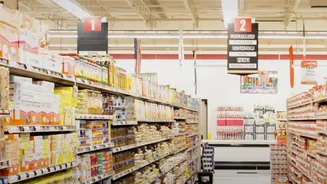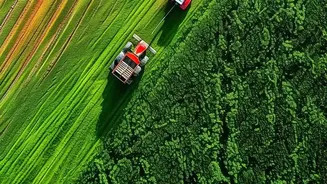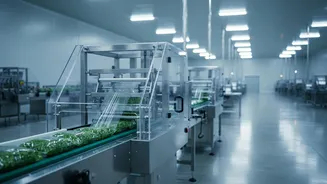






The Problem with the Path to Your Plate
India's food supply chain is one of the most intricate in the world. It involves millions of smallholder farmers, countless middlemen, various modes of transport, and a fragmented storage network. This complexity creates significant challenges. A substantial
portion of fresh produce is lost to spoilage due to infrastructural gaps like poor cold storage and unreliable transportation. More critically, the opaque nature of the chain makes it difficult to trace the source of contamination or adulteration, posing a risk to public health. Incidents of food-borne illnesses, which often go unreported, highlight the urgent need for a more robust system to ensure the food reaching consumers is safe and of high quality. This lack of traceability not only affects domestic consumers but also impacts India's export potential in a global market that increasingly demands verifiable safety standards.
Digital Breadcrumbs: The Proposed Solution
In response, government bodies like Niti Aayog and the Food Safety and Standards Authority of India (FSSAI) are spearheading initiatives to create a 'farm-to-fork' traceability system. The concept revolves around creating a digital trail for food products. This could involve using technologies like QR codes, which are already being piloted for foodgrain bags in the Public Distribution System (PDS) to enhance accountability. For wider application, technologies such as blockchain are also being considered to create a secure and unchangeable ledger of a product's journey. The idea is that at each stage—from the farm to the processing unit, distributor, and retailer—information is digitally logged, creating a transparent record that can be accessed by regulators and, potentially, consumers. This is part of a broader push for digital transformation in agriculture, aiming to make the entire system more efficient and accountable.
From Food Safety to Fairer Prices
The potential benefits of a comprehensive tracking system are immense. The most immediate gain is enhanced food safety. In the event of a contamination scare, authorities could quickly identify the source and recall affected products, preventing widespread illness. Beyond safety, traceability can significantly reduce food loss by providing real-time data on inventory and transit, allowing for better logistics management. For India's farmers, a transparent system could offer a more direct link to markets, potentially ensuring better price realisation by reducing dependency on multiple layers of intermediaries. Furthermore, a traceable supply chain strengthens consumer trust and boosts the credibility of Indian exports, opening up more lucrative international markets that demand high standards of quality and authenticity.
A Monumental Undertaking
Despite the clear advantages, implementing such a system across India presents formidable challenges. The sheer scale of the agricultural sector, dominated by small and marginal farmers, is a primary hurdle. Many of these farmers lack the digital literacy and financial resources to adopt new technologies. The cost of implementation—from QR code printers to scanners and software—could be prohibitive for small businesses throughout the supply chain. There's also the challenge of India's vast informal economy, where many transactions are not digitally recorded. Bringing this segment into a formal, digital framework requires not just technology but also significant training, awareness campaigns, and policy incentives. Regulators acknowledge that for this to succeed, it must be inclusive and not exclude small-scale producers from the market.
A New Era of Food Trust?
The government's consideration of wider food tracking aligns with recent reforms by FSSAI aimed at simplifying compliance and using technology to monitor risk. Initiatives like the SWIFT 2.0 platform for trade facilitation and risk-based inspections are already laying the groundwork for a more data-driven approach to food safety. If these plans come to fruition, consumers may one day be able to scan a code on their vegetables to see which farm they came from and when they were harvested. This would represent a paradigm shift in food transparency, empowering consumers with information and holding the entire supply chain accountable. While the road to full implementation is long and complex, the move signals a clear intent to modernize India's food systems for a safer and more efficient future.