








The Winner for Pure Accessibility
When it comes to getting started with zero friction, brisk walking is the undisputed champion. It requires no special equipment beyond a comfortable pair of shoes, no membership fees, and no classes. You can do it almost anywhere, anytime. This incredible
ease of access makes it easier to overcome the initial hurdle of simply starting. The mental barrier is lower; you just have to step outside your door. For those with busy or unpredictable schedules, fitting in a 30-minute walk is often more manageable than committing to a scheduled yoga class, whether online or in person.
The Edge for Mind-Body Connection
While walking can certainly clear your head, yoga is specifically designed as a holistic practice that integrates mind and body. It combines physical postures with breathing exercises and mindfulness, which can significantly reduce stress and anxiety. This powerful mental component can be a major driver of consistency. If your workout doubles as your primary tool for stress relief, you may be more motivated to practice it regularly, especially on difficult days. The calming effect and improved mental clarity that yoga provides can become a reward in itself, creating a positive feedback loop that encourages you to keep showing up on the mat.
Cardio Health and Calorie Burn
For cardiovascular fitness and burning calories, brisk walking generally has the edge. A brisk walk elevates your heart rate into the moderate-intensity zone, which is ideal for strengthening your heart and lungs. In a 30-minute session, brisk walking typically burns more calories than a gentle Hatha yoga class. However, more dynamic forms like Vinyasa or Power Yoga can be quite rigorous and provide a significant cardiovascular workout, coming closer to the calorie burn of walking while also building strength. If your primary goal is weight management or improving heart health, walking provides a more direct and measurable path.
Flexibility, Strength, and Balance
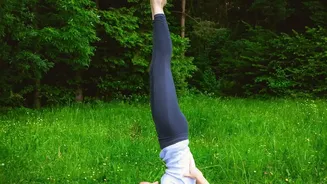
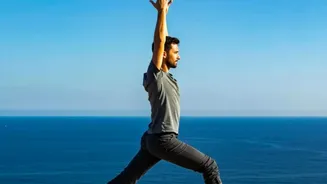
This is where yoga shines. While walking is excellent for the legs and heart, it does little for upper-body strength or overall flexibility. Yoga involves a wide range of movements that stretch and strengthen muscles throughout the entire body. Regular practice improves balance, joint mobility, and core strength—all crucial for long-term health and injury prevention, especially as we age. If you're looking for a workout that improves posture, reduces stiffness, and creates a sense of suppleness, yoga is the clear winner.
Which is Easier to Stick With?
Ultimately, consistency comes down to personal preference and lifestyle. Brisk walking’s simplicity and flexibility make it incredibly sustainable. It’s easy to fit into a lunch break or morning routine. On the other hand, the structure of a yoga class—the guidance of an instructor and the sense of community—can provide accountability that many people need. A study noted high adherence rates for both yoga (91%) and walking (89%) in a supervised program, suggesting both can be maintained well. Consider what derails you. If it's time and complexity, walking is your friend. If it's boredom and lack of motivation, the variety and mindful aspect of yoga may be more engaging.