




The Eyes in the Sky
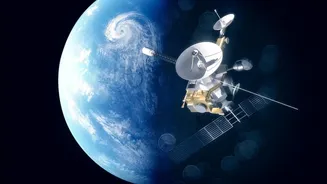
For years, ISRO's most significant contribution has been its constellation of Earth Observation (EO) satellites. These missions are the backbone of modern India, providing crucial data for everything from agricultural planning and disaster management
to urban development and national security. Satellites in the Resourcesat, Cartosat, and Oceansat series have delivered high-resolution imagery that helps forecast cyclones, manage forest resources, and ensure fishing communities can locate promising zones. This application-driven approach has been the hallmark of India's space program, focusing on direct societal benefits. Upcoming satellites like the EOS-05, expected to launch from Sriharikota, will continue this legacy, offering near real-time imaging of the subcontinent to provide even faster updates during floods and other emergencies.
Touching the Stars: The Human Element
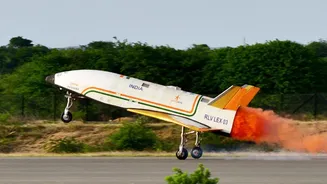
The most visible sign of ISRO's expanding horizon is the Gaganyaan program, India's quest to send its own astronauts—or 'Vyomanauts'—into orbit. The goal is to launch a crew of three into a 400 km orbit for a three-day mission and bring them back safely. This is a monumental undertaking. The first uncrewed test flight, Gaganyaan-1 (G1), is a critical step, slated for late 2026. This mission will validate the crew module, life support systems, and re-entry procedures. A second uncrewed flight, G2, will follow, carrying the humanoid robot Vyommitra to simulate an astronaut's presence and monitor spacecraft performance. While the timeline for the final crewed flight remains fluid to ensure absolute safety, the training of four decorated Indian Air Force pilots is already well underway.
Beyond the Moon: A Solar System View
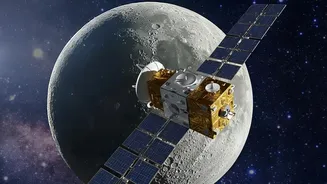
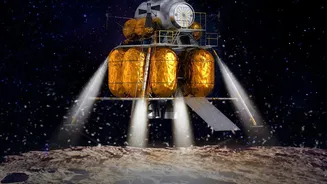
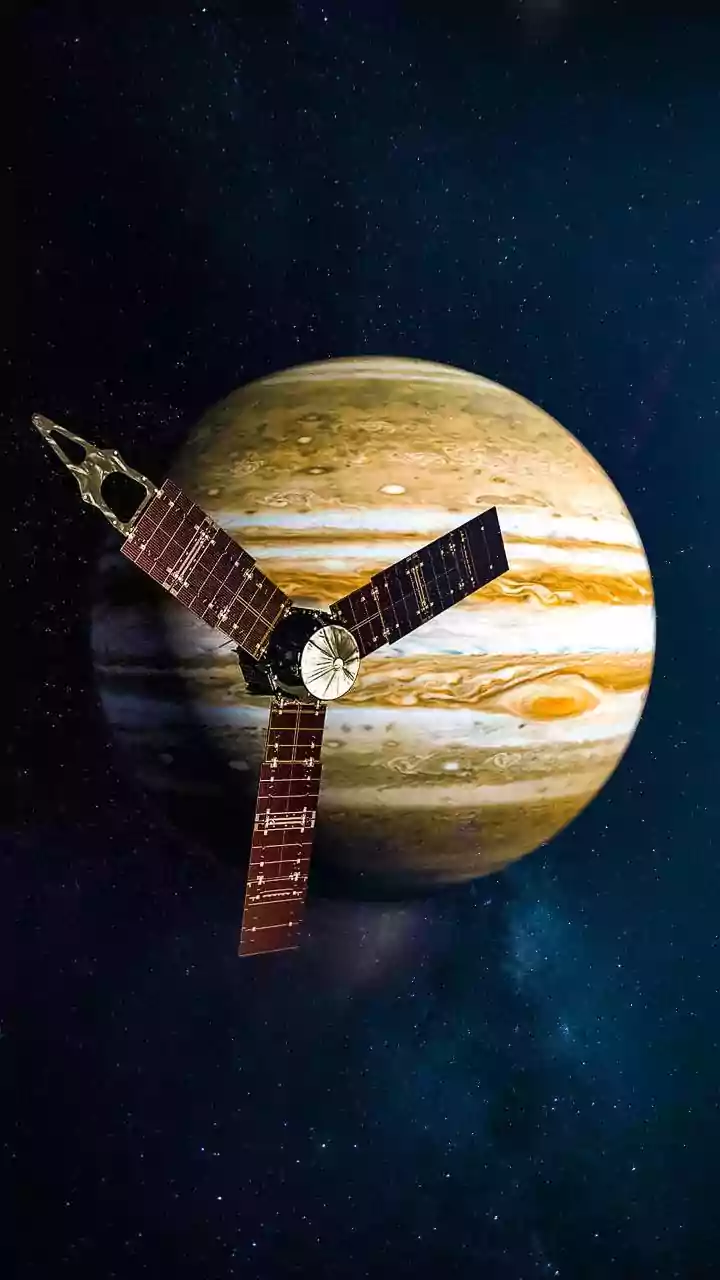
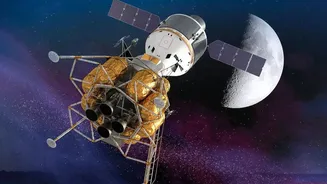
Building on the historic successes of the Chandrayaan lunar missions and the Mars Orbiter Mission (Mangalyaan), ISRO is venturing further into the cosmos. The Aditya-L1 mission, India's first solar observatory, is already operational, studying the Sun's outer layers from a unique vantage point 1.5 million kilometers from Earth. Its data is crucial for understanding solar dynamics and space weather. The future lineup is even more ambitious. A Venus Orbiter Mission, named Shukrayaan, is planned to study the planet's notoriously toxic atmosphere and surface. Plans are also firming up for Chandrayaan-4, a mission to collect samples from the Moon and return them to Earth. Further ahead, a joint mission with Japan's space agency, LUPEX, aims to explore the Moon's south pole for water ice.
A New Commercial Frontier
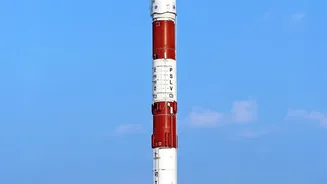
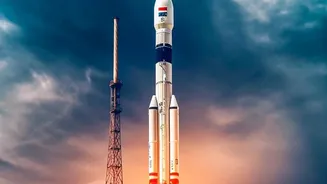
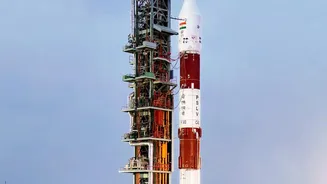
This expansion isn't just for science and prestige; it's also about business. The establishment of NewSpace India Limited (NSIL) as ISRO's commercial arm marks a strategic shift. NSIL's mandate is to commercialize ISRO's technologies, from building satellites on demand to selling launch services on its reliable PSLV and LVM3 rockets to global customers. This move is designed to tap into the booming global space market. Alongside, the Indian National Space Promotion and Authorization Center (IN-SPACe) has been created to enable and authorise the activities of a fast-growing ecosystem of private space startups. This dual approach allows ISRO to focus on cutting-edge research and exploration while the private sector drives innovation and commercialization, creating a more dynamic and self-reliant national space industry.