



The Allure of the Altitude
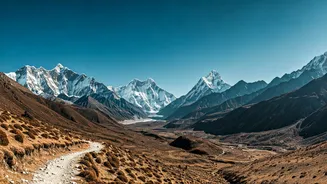
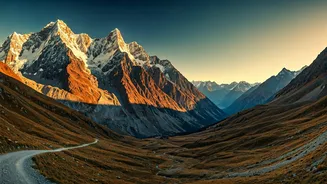
Why do we look to the mountains for clarity? A high-altitude journey isn’t just a vacation; it’s a deliberate act of disconnection. In places like India’s Tawang and Spiti Valley, the cell signal fades, the air thins, and the sheer scale of the landscape
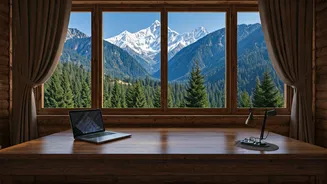
dwarfs everyday anxieties. This isn’t a spa retreat with a predictable schedule. It’s a physical and mental pilgrimage where the effort of the journey is part of the therapy. The simplicity of life at 12,000 feet—focused on warmth, acclimatization, and the next stunning vista—strips away the non-essential, leaving you with a profound sense of perspective. It’s a forced mindfulness, where the present moment is all that matters because the environment demands your full attention.
Tawang: The Spiritual Sanctuary
Tucked away in the far northeastern corner of India in Arunachal Pradesh, Tawang feels like a secret kingdom. Reaching it is an expedition, typically involving a multi-day drive from Assam through winding mountain roads and past the breathtaking Sela Pass (over 13,000 feet). This journey prepares you for the tranquility that awaits. The landscape is a mix of pine forests, lush valleys, and snow-capped peaks. The heart of the region is the Tawang Monastery, the second-largest in the world. Its golden roofs gleam against the blue sky, and the air hums with the sound of chanting monks and spinning prayer wheels. Tawang offers a gentler, more spiritual reset. It’s a place to meditate on the serene beauty of Buddhist culture, wander through quiet villages, and feel the deep sense of peace that permeates the valley.
Spiti Valley: The Austere Beauty
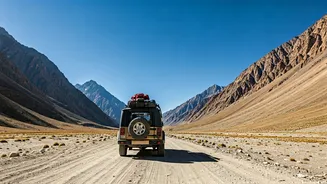
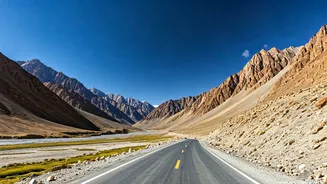
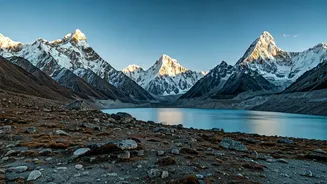
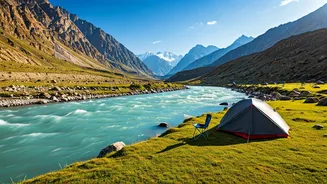
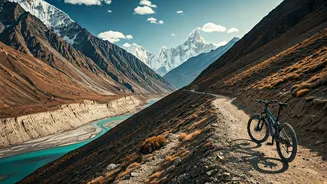
If Tawang is a spiritual sanctuary, Spiti Valley is a raw, elemental cathedral. Located in Himachal Pradesh, this high-altitude desert is often called “Little Tibet” for its stark, lunar landscapes and ancient monasteries clinging to cliffs. The experience here is more rugged and adventurous. The drive itself, whether from Manali or Shimla, is one of the world's most epic road trips, crossing treacherous passes and navigating gravel roads. In Spiti, the world is painted in shades of brown, grey, and brilliant blue. You’ll find Key Monastery, a surreal, fort-like complex perched on a conical hill, and some of the highest inhabited villages on Earth. The beauty of Spiti is austere and humbling. It’s a place that makes you feel small in the best possible way, reminding you of nature’s power and your own resilience. The mental reset here comes from the starkness, the silence, and the feeling of having reached the top of the world.
Choosing Your Reset
While both offer a profound escape, the choice between them depends on the kind of reset you crave. Choose Tawang for a journey into a hidden, spiritual world, where vibrant culture and verdant landscapes offer a sense of solace and discovery. The focus is on introspection and serene beauty. Choose Spiti Valley for a raw, high-adventure challenge. It's for those who find clarity in rugged landscapes, physical endurance, and the humbling power of a stark, high-desert environment. Tawang is a hymn; Spiti is a drumbeat.
The Practical Path to Peace
Reaching these remote heavens requires planning. For Tawang, foreign nationals need a Protected Area Permit (PAP). For Spiti, no special permit is required for the main circuit, but access via certain routes may be restricted. The most critical factor is acclimatization. Rushing to high altitude can cause serious sickness. Plan to spend at least a day or two at intermediate altitudes before ascending further. The best time to visit Tawang is from March to June and September to October. For Spiti, the window is narrower, typically June to September, when the high passes are clear of snow. Engaging a local driver and guide is not just a convenience; it’s a necessity. They understand the roads, the weather, and the culture, ensuring a safe and enriching journey.