




1. The Rise of Super Seeds
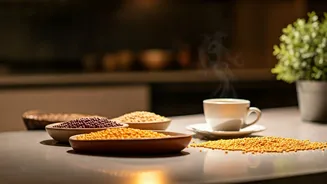
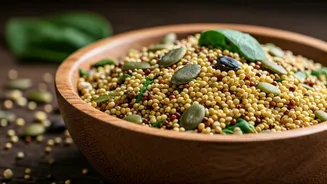
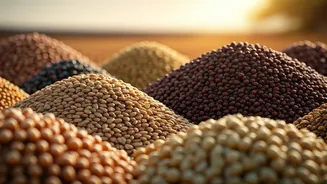
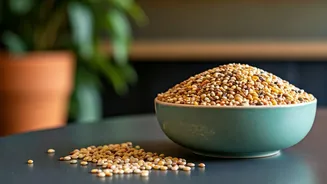
Once found only in specialty health stores, seeds like chia, flax, and sunflower have gone mainstream. These tiny powerhouses are loaded with fibre, protein, and healthy fats. The best part? They are incredibly versatile. You can sprinkle them over your
morning oatmeal or yoghurt, blend them into smoothies for a thicker texture, or even use them to make a healthy pudding. Chia seed pudding, made by soaking the seeds in milk or a plant-based alternative, has become an Instagram-famous breakfast for a reason—it’s delicious, filling, and takes just minutes to prepare the night before.
2. Millets Make a Mighty Comeback
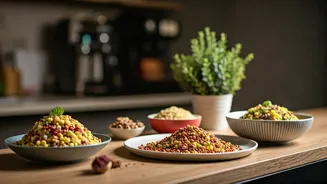
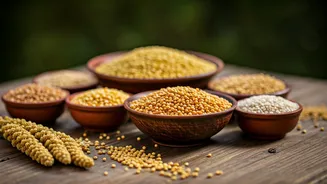
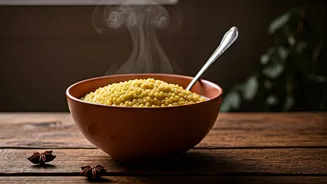
Our grandparents knew the secret of millets, and now, they are back in the spotlight. Ragi, jowar, and bajra are no longer just for simple rotis. Chefs and home cooks are using millet flour to bake everything from gluten-free cakes and cookies to savoury crackers. You can find ragi dosas, jowar upma, and foxtail millet biryani on modern restaurant menus. These ancient grains are not only high in fibre but also packed with essential minerals, making them a fantastic and sustainable alternative to refined wheat and rice.
3. The Smoothie and Bowl Revolution
The blender has become fibre’s best friend. Smoothie bowls are a perfect example of how to pack a massive fibre punch into one delicious meal. The formula is simple: blend fruits like bananas and berries (both high in fibre) with a liquid, and then top it with anything from granola and nuts to coconut flakes and, yes, more seeds. It’s a customisable meal that feels like a treat. This trend has made it easier than ever to consume a variety of fibre-rich ingredients in a single, colourful, and highly photogenic serving.
4. Salads Are No Longer a Sad Side Dish
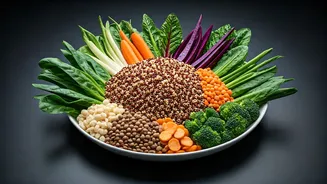
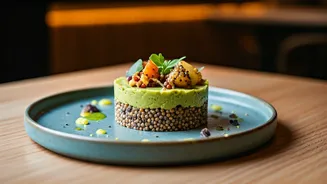
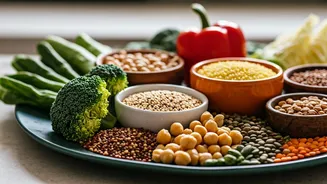
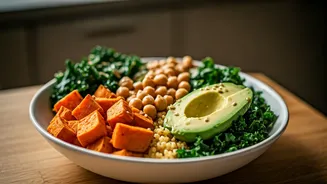
Forget the limp lettuce and cucumber slices of the past. Today’s salads are hearty, complex meals. The new-age salad is built on a base of interesting greens and loaded with high-fibre ingredients like chickpeas, kidney beans, roasted sweet potatoes, quinoa, and avocado. Add a tangy vinaigrette, a handful of toasted almonds for crunch, and some crumbled paneer or tofu for protein, and you have a satisfying meal that will keep you full for hours. They are a celebration of textures and flavours, proving that a salad can be the most exciting thing on the menu.
5. Breads and Bakes Get a Healthy Makeover
The bakery aisle has also joined the fibre-friendly movement. Sourdough bread, made through a slow fermentation process, is often easier to digest and can have more available nutrients than standard white bread. Similarly, whole-wheat, rye, and multigrain breads are now staples. These aren’t the dense, dry loaves of the past; modern baking techniques have made them soft, flavourful, and delicious. You can enjoy a fibre-rich slice of toast with avocado or use it to build a wholesome sandwich without feeling like you're compromising on taste.
6. Traditional Favourites, Reimagined
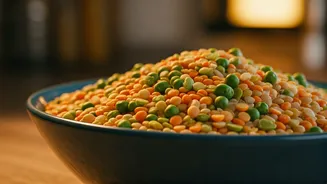
Even our beloved Indian snacks and dishes are getting a high-fibre twist. Think of poha made with red rice, which has more fibre than the white variety. Or dal preparations that incorporate a wider range of lentils and beans, simmered with vegetables. Even snacks like khakhra are now available in whole-wheat and millet versions. This fusion of tradition and nutrition means you can enjoy familiar comfort foods while naturally increasing your fibre intake, proving that healthy eating doesn't require abandoning the flavours we love.