





More Than Just a Tourist Event
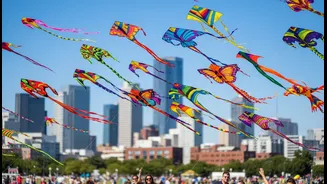
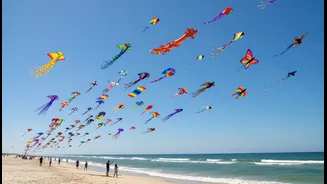
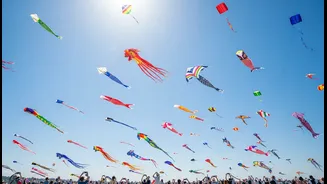
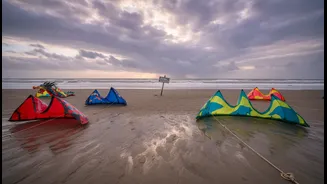
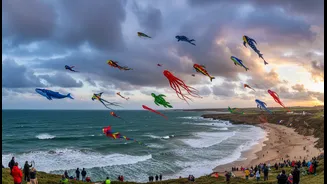
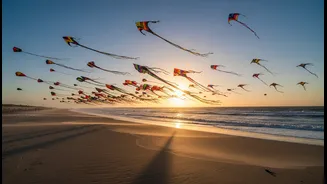
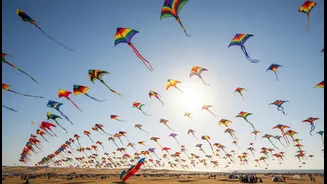
What started as a novel attraction has quickly ballooned into one of the region's biggest events. The Tamil Nadu International Kite Festival (TNIKF), organized with the Department of Tourism, now draws tens of thousands of visitors to the coast along
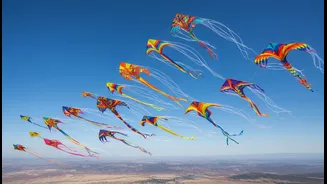
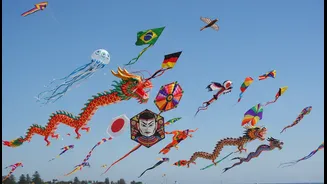
East Coast Road. With professional kite flyers from across the globe, giant themed kites, and evening concerts, the festival aims to put the state on the world map for cultural tourism. Organizers envision it becoming a world championship event, attracting participants from over 40 countries. But this rapid growth and ambition come with significant logistical and social growing pains that extend far beyond the festival grounds.
The Battle for the Beach
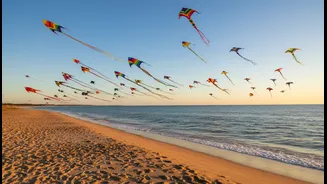
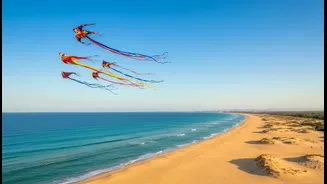
The festival's primary venue is the public beach at Mahabalipuram, a space that is normally open and accessible to all, year-round. Hosting a massive, ticketed event on this scale fundamentally changes the nature of this access. While a boon for tourism, cordoning off large sections of the shoreline for a multi-day festival raises important questions. Who gets priority on public land? How are local fishermen, small vendors, and residents who rely on the beach daily affected? The festival requires a vast footprint, not just for the kite flying itself but for stages, food stalls, and parking. This temporary privatization of a public commons is becoming a critical point of discussion, forcing authorities to balance commercial tourism goals with the public's right to open, accessible natural spaces.
A New Respect for the Weather
A kite festival is, by its nature, entirely dependent on the weather. Favourable wind is non-negotiable. Typically scheduled for mid-August to coincide with the Independence Day long weekend, the festival banks on the strong sea breezes common during that time. However, this period can also bring unpredictable weather from the tail-end of the monsoon season. A single day of bad weather—too little wind, too much wind, or heavy rain—can derail the entire event. This high-stakes dependency is forcing organizers and local authorities to engage with weather forecasting and contingency planning on a level previously unseen for a cultural festival. It's a shift from simply picking a date to developing a dynamic, weather-responsive event management strategy, a lesson that could prove invaluable for planning other large-scale outdoor events in a region prone to climatic volatility.
Reshaping the Regional Calendar
The sheer scale of the kite festival has a gravitational pull on the entire region's calendar. Its scheduling around the August long weekend is a strategic move to maximize tourist footfall, but it also creates immense pressure on local infrastructure. The influx of tens of thousands of people strains roads, public transport, and local accommodation, effectively forcing other smaller events and even everyday activities to plan around it. This dominance is creating a new kind of seasonal calendar, one dictated not by tradition or climate alone, but by the logistical demands of a single mega-event. As the festival grows, it could influence everything from when other cultural events are held to when local families decide to visit the beach, creating a new rhythm for coastal life.