





The Instinct for Privacy
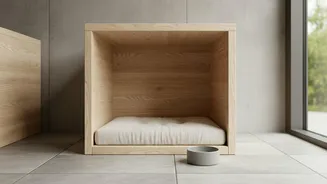
Cats are creatures of instinct, and their bathroom habits are no exception. In the wild, an animal is vulnerable when eliminating. This instinct persists in domestic cats, making them seek out safe, private locations. Providing a secluded spot for the litter
box respects this need. A low-traffic area, such as a spare bathroom or a quiet corner of a laundry room, is ideal. Avoid placing the box in busy hallways or next to noisy appliances like washing machines or dryers, as sudden sounds can be startling and may cause a cat to avoid the box entirely. By offering a peaceful and private space, you reduce their stress and anxiety, making them feel secure enough to use their box consistently. This simple act of respecting their dignity can prevent undesirable behaviours like urinating on carpets or furniture.
The Golden Rule of Cleanliness
A cat's sense of smell is far more sensitive than a human's, and a dirty litter box is highly offensive to them. An unhygienic box is one of the top reasons cats begin to eliminate elsewhere. The rule of thumb is to scoop the box at least once a day to remove waste. A full clean is necessary about once a week. This involves completely emptying the old litter, scrubbing the box with a mild, unscented soap and warm water, and drying it thoroughly before refilling with fresh litter. Avoid using harsh chemical cleaners, especially those with ammonia or strong citrus scents, as these can be off-putting to cats and may deter them from using the box. For extra odour control, a sprinkle of baking soda in the litter can help neutralise smells without irritating your cat. A clean box is not just for your cat’s comfort; it’s also an important tool for monitoring their health, as it allows you to spot any changes in their urine or faeces early on.
Ensuring Easy and Safe Access
Your cat must be able to get into and out of its litter box easily. This is especially critical for kittens, senior cats, and those with mobility issues like arthritis. For these cats, a box with high sides can be a painful obstacle. Look for litter pans with a low entry point, sometimes under four inches, to allow them to step in and out without needing to jump or strain their joints. While covered or hooded boxes might seem like a good idea for privacy and odour control, they can also trap unpleasant smells, which cats dislike. They can also make a cat feel cornered, as they limit escape routes—a key consideration for an animal with predator-prey instincts. An open-top box in a quiet location often provides the best balance of security and comfort. Make sure the box is large enough for your cat to turn around in comfortably.
Location, Location, and Numbers
The final piece of the puzzle is having the right number of boxes in the right places. The general rule recommended by veterinarians and behaviourists is to have one litter box per cat, plus one extra. So, if you have two cats, you should have three litter boxes. This simple formula helps prevent territorial disputes in multi-cat households. It is also important to spread the boxes out around the home rather than clustering them together. Placing them on different floors or in different rooms ensures a cat always has an accessible option and prevents one cat from guarding all the resources. Never place food and water bowls near the litter box; cats, like humans, prefer not to eat in their bathroom. By thinking strategically about placement and numbers, you create a home environment that caters to your cat’s natural needs and promotes good litter habits for life.