

The Post-Monsoon Revival
The monsoon season, which typically runs from June to September, forces the closure of many national parks across India. This essential pause allows the ecosystem to rejuvenate, vegetation to flourish, and gives animals privacy during their breeding seasons.
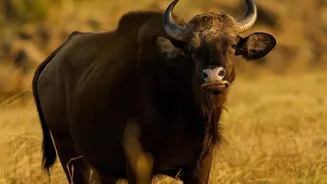
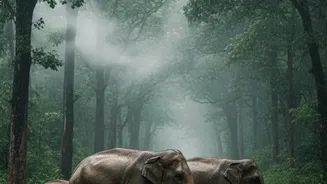
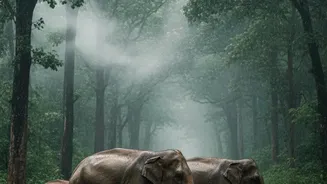
When the parks reopen around October and November, they are at their most vibrant. The forests are draped in lush, green foliage, and water bodies are full. This abundance means that herbivores like deer and gaur have plenty of food, keeping them active and visible. The dense greenery provides a stunning, photogenic backdrop for any safari, making the entire experience more scenic and immersive.
A Thermoregulatory Sweet Spot
Animals, much like humans, are greatly influenced by temperature. The extreme heat of the Indian summer months (March-June) often forces wildlife to conserve energy and seek shelter during the day, becoming most active around dawn and dusk. Conversely, the chilly winter mornings of December and January can make some species sluggish. November afternoons hit a 'just right' sweet spot. The weather is comfortably warm without being scorching. This mild temperature allows many diurnal (day-active) animals to remain active for longer periods. It’s an ideal condition for them to forage, move between territories, and simply bask in the pleasant sun, significantly increasing the chances for visitors to spot them.
Prime Time for Predators and Prey
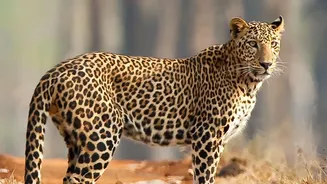
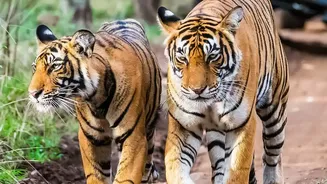
The increased activity of herbivores naturally draws out the predators. With prey like spotted deer, sambar, and barasingha out in the open and grazing, apex predators such as Bengal tigers and leopards are more likely to be on the move, actively hunting. The afternoon sun can also be a perfect time to spot these magnificent cats lounging in clearings or near waterholes before their evening hunt begins. Furthermore, cold-blooded reptiles like crocodiles and various snake species take advantage of the mild afternoon sun to bask on riverbanks and rocks, absorbing warmth to regulate their body temperature. This makes November afternoons a fantastic time for observing a wide spectrum of the food chain in action.
A Symphony of Avian Life
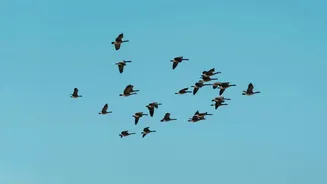
November marks the beginning of the migratory bird season in India. As winter sets in across Central Asia and Europe, countless bird species fly south to the subcontinent’s more temperate climate. The replenished water bodies and lush forests provide the perfect habitat for these visitors. Birdwatchers can delight in the flurry of activity during the afternoons, as both resident and migratory birds are actively feeding and flitting through the trees. Parks like Keoladeo Ghana National Park in Bharatpur become a haven for birders, but even in tiger-centric reserves like Corbett and Ranthambore, the avian life adds a rich layer of sound and colour to the safari experience.
Clearer Trails and Better Access
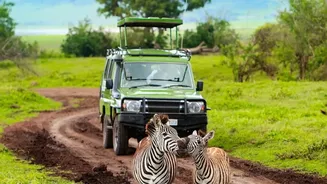
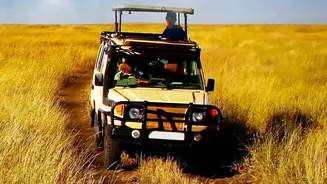
From a purely practical standpoint, November offers excellent safari conditions. The heavy rains have subsided, allowing the muddy tracks and roads within the national parks to dry out and be repaired. This ensures that safari vehicles can access a wider range of the park's areas, increasing the ground covered and the potential for diverse sightings. The air is generally clear of the dust that characterises the summer months and the heavy fog that can blanket the forests on winter mornings. This results in better visibility and more comfortable, less disruptive viewing experiences for visitors venturing into the heart of India's wilderness.