







The Afternoon Humidity Problem
High humidity, especially during the sticky summer months and monsoon season, presents a unique challenge for plants. While it might seem counterintuitive—isn't moisture good for them?—excessive humidity can be stressful. It reduces a plant's ability
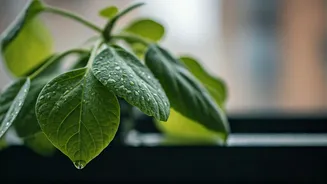
to transpire effectively, a process similar to sweating that helps them cool down. This can lead to heat stress, even if the plant is well-watered. Furthermore, the constant dampness on leaves creates a perfect breeding ground for fungal diseases like powdery mildew. Your once-thriving bougainvillea, hibiscus, or money plant starts to look lethargic, its leaves yellowing or drooping, and you're left wondering what you’re doing wrong.
What Exactly Is Liquid Seaweed?
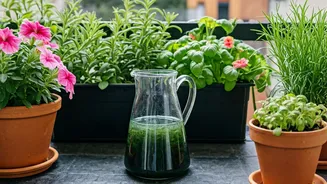
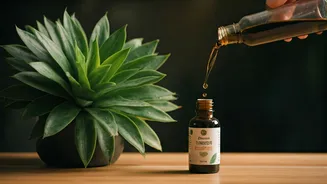
When we talk about liquid seaweed, we're not just talking about blended ocean greens. It’s a concentrated extract derived from various species of seaweed, most commonly kelp. Think of it less as a food (like NPK fertilisers) and more as a health tonic or a biostimulant for your plants. While it does contain a wide array of micronutrients and minerals (over 60, in fact!), its real power lies in its natural growth hormones and beneficial compounds. These elements work together to boost a plant's natural defence systems and improve its overall health from the inside out, making it more resilient to environmental pressures.
The Science of Resilience, Simplified
So, how does this ocean brew help with humidity? The magic is in its ability to help plants help themselves. Liquid seaweed is rich in natural hormones like cytokinins, which promote cell division and growth, leading to stronger stems and leaves. It also contains auxins that encourage robust root development. A stronger root system means the plant can absorb water and nutrients more efficiently, keeping it better hydrated and nourished.
Crucially, the compounds in seaweed help strengthen the plant's cell walls. This structural reinforcement makes the foliage physically tougher and less susceptible to wilting under heat and humidity. It also enhances the plant's innate ability to fight off diseases, providing a shield against the fungal spores that thrive in damp conditions. In short, liquid seaweed doesn't change the weather, but it equips your plants with the tools they need to withstand it.
How to Use It on Your Balcony
Using liquid seaweed is simple and safe for a wide variety of plants. It's typically sold as a concentrate that you dilute with water. Always read the instructions on the bottle for the correct ratio, as it can vary by brand.
1. Foliar Spray: For tackling humidity stress, a foliar spray is highly effective. Mix the concentrate in a spray bottle according to the label's directions. In the early morning or late evening (never in direct, hot sun), lightly mist the leaves of your plants, covering both the top and underside. This allows the leaves to absorb the nutrients and growth regulators directly.
2. Soil Drench: You can also water your plants with the diluted seaweed solution. This method focuses on boosting the root system and improving the soil's microbial life. A healthy root system is the foundation of a resilient plant.
Frequency: A good starting point is to apply it once every two to three weeks during the stressful high-humidity season. Reduce frequency during cooler, drier months.
More Tips for a Humidity-Proof Balcony
Liquid seaweed is a powerful ally, but it works best as part of a holistic approach to balcony gardening in humid climates.
* Ensure Good Air Circulation: Don't overcrowd your pots. Give plants enough space for air to move between them, which helps leaves dry faster and discourages fungal growth.
* Perfect Your Watering: Water in the morning at the base of the plant, avoiding the leaves. This gives the plant time to absorb the moisture before the day's heat and allows any surface moisture to evaporate.
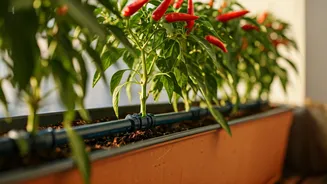
* Check Your Drainage: Ensure every pot has drainage holes and that they aren't clogged. Plants sitting in waterlogged soil are prime candidates for root rot, a problem exacerbated by high humidity.