




From Trash to Treasure
In a world increasingly conscious of food waste, the humble citrus peel is getting a second look. Traditionally discarded, these peels are packed with flavour and essential oils. Turning them into marmalade is not just an act of sustainability, but a return
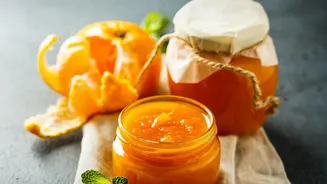
to a thrifty kitchen wisdom that makes the most of every ingredient. Beyond just reducing waste, using the whole fruit offers a more complex, aromatic, and deeply satisfying flavour than you'll find in many store-bought jams. Citrus peels also contain beneficial compounds like antioxidants, flavonoids, and vitamin C. By making your own preserve, you celebrate the entire fruit and take a small, delicious step towards a zero-waste lifestyle.
Choosing Your Citrus
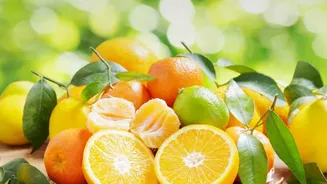
Most citrus peels can be used, but each brings a unique character. The peels of oranges like the Nagpur santra or kinnow offer a classic, sweet bitterness. Lemons (nimbu) and limes provide a sharper, tangier note, perfect for a zesty preserve. Even the peels of sweet limes (mosambi) or grapefruit can be used, though they might require more attention to balance their distinct flavours. The key is to use fresh, unwaxed peels if possible. If you can only find waxed fruit, a good scrub under hot water can help remove the coating. You can even collect peels over time, storing them in the freezer until you have enough for a batch.
Taming the Bitterness
The main challenge in peel preserves is managing bitterness, which comes from the white pith. While a touch of bitterness is characteristic of good marmalade, too much can be unpleasant. There are simple techniques to control it. First, when peeling, try to take as little of the white pith as possible. A crucial next step is blanching. This involves boiling the peels in water for a few minutes and then discarding the water. Repeating this process two or three times can significantly reduce the intensity of the bitterness, leaving you with tender, flavourful peels ready for the main event. Soaking the peels in cold water for several hours, changing the water periodically, also helps draw out some of the bitter compounds.
The Marmalade-Making Process
Once your peels are prepared, the process is straightforward. Finely slice the blanched peels into thin strips. Combine these strips in a heavy-bottomed pan with the juice and chopped pulp of the fruit, some water, and your chosen sweetener. The natural pectin found in the citrus membranes and pith helps the marmalade to set, so there's no need for commercial setting agents. Bring the mixture to a boil, then reduce the heat and let it simmer. This can take anywhere from 30 minutes to over an hour, depending on the quantity. You'll stir occasionally as the mixture thickens and the peels become translucent. The goal is to reach a gel-like consistency. A simple way to test this is to place a small amount on a cold plate; if it wrinkles when you push it with your finger, it’s ready.
A Healthier, Homemade Spread
The term 'healthy' can be tricky when it comes to preserves, as they traditionally rely on sugar. However, making marmalade at home gives you complete control over the ingredients. While commercial marmalades can be very high in refined sugar, you can choose to use less. For a more traditional Indian touch, consider using jaggery. Jaggery not only acts as a sweetener but also imparts a rich, earthy flavour and a beautiful golden-brown colour to the marmalade. While still a form of sugar, homemade marmalade avoids the artificial preservatives and colours found in many commercial versions. Consumed in moderation, it can be a source of dietary fibre and vitamin C.