


Breaking the Cycle of 'Buy, Wear, Repeat'
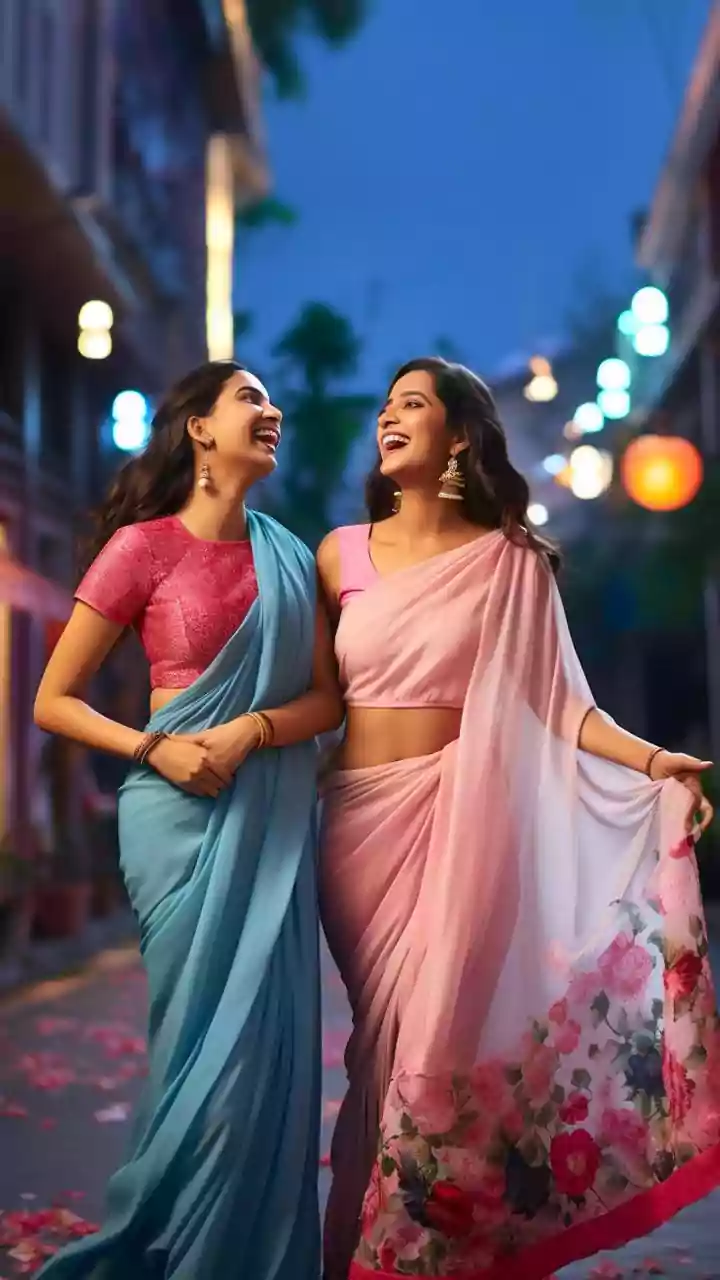
For years, festive dressing in India has been synonymous with shopping. The arrival of Diwali, Eid, or the wedding season traditionally kicks off a rush for brand-new, often heavily embellished, garments. While celebratory, this cycle of consumption contributes
to environmental waste and closet clutter. Many are now questioning the need for a completely new wardrobe for every occasion. This shift isn't just about saving money; it's a conscious move away from fast fashion's 'wear once' mentality towards something more personal and sustainable. The growing interest in slow fashion and mindful consumption is leading people to look at their existing clothes not as disposable, but as a canvas for something new.
The Art of the Thoughtful Remix
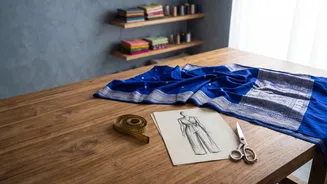
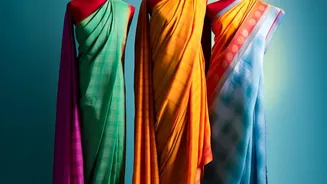
The core idea is simple: instead of buying a new outfit, you creatively enhance one you already own. This 'remix' can be as simple as pairing a vintage silk saree with a modern, minimalist blouse or as intricate as adding new hand-embroidery to a plain kurta. Old dupattas can be transformed into stylish kaftans or jackets, and even a single embroidered panel from a worn-out lehenga can be repurposed into a chic corset or crop top. This approach allows for infinite creativity. Designers and stylists champion this method, turning old Banarasi sarees into structured gowns or lehengas, or using fabric scraps to create unique accessories like potli bags and belts. It’s about seeing the potential in every piece and making it relevant for today.
A Modern Nod to Heritage and Craft
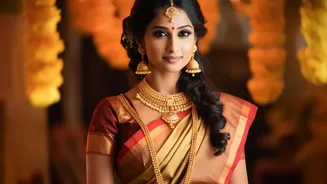
This trend is deeply connected to India's rich heritage of textiles and craftsmanship. For generations, passing down and repurposing garments was a common practice born of both necessity and respect for the material. Today, it’s a deliberate choice to honour that legacy. By adding a touch of Kantha, a splash of block-print, or delicate Zari work to a modern silhouette, you are not just updating an outfit; you are weaving a story. This fusion connects the wearer to the long line of artisans who have kept these traditions alive. It's a way of making heritage tangible and wearable, moving beyond museum pieces to living fashion that celebrates both history and individual style.
Getting Started: Simple Ways to Refresh Your Wardrobe
You don't need to be a designer to embrace this trend. Start small. Audit your wardrobe to see what you already have. Perhaps a simple cotton saree can be elevated with a new, hand-embroidered border. A basic kurta can become a statement piece by adding embellished patches or even some simple mirror work. Consider collaborating with a local tailor or artisan to bring your vision to life. You could also take a DIY approach by refashioning an old dupatta into a simple shrug or cape. Even changing how you drape a saree or accessorising an old suit with a striking, handcrafted belt can completely transform your look, making it festive-ready without adding to consumption.