


Why Our Cities Flood
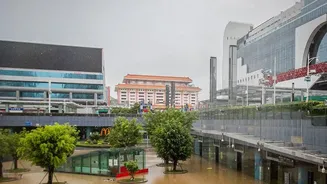
For decades, urban planners have relied on conventional drainage systems—a network of concrete pipes and channels designed to carry rainwater away as quickly as possible. But our cities have changed. Rapid urbanisation has led to a dramatic increase in impermeable
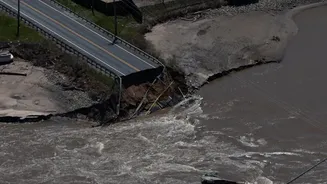
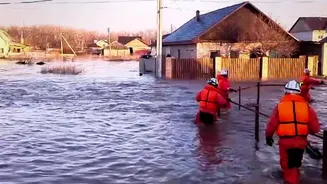
surfaces like concrete and asphalt, which prevent rainwater from soaking naturally into the ground. This, combined with ageing infrastructure not designed for the intense, concentrated rainfall events spurred by climate change, means these old systems are easily overwhelmed. The result is recurrent, severe flooding that damages property, disrupts lives, and poses significant public health risks.
Working with Nature, Not Against It
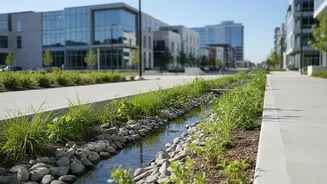
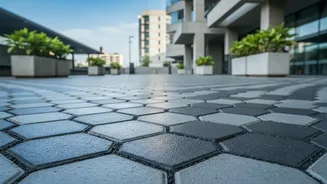
The future of urban drainage lies in a paradigm shift: instead of just channelling water away, modern approaches aim to mimic nature. Sustainable Urban Drainage Systems (SuDS) are a key part of this. These are not single solutions but a collection of practices designed to manage rainfall close to where it falls. Think permeable pavements that allow water to seep through, rain gardens and green roofs that absorb and filter rainfall, and bioswales (vegetated channels) that slow down runoff. By integrating these green infrastructure elements, cities can reduce the sheer volume of water rushing into drains at once, easing the pressure on the entire system.
The 'Sponge City' Vision
An even more ambitious evolution of this idea is the 'sponge city' concept. First championed in China, this model envisions an entire urban area designed to absorb, store, clean, and reuse rainwater, much like a natural sponge. This approach combines green infrastructure like parks and wetlands with engineered solutions such as underground storage tanks. The goal is to turn rainfall from a hazard into a resource. The water captured can be used to replenish groundwater aquifers, which is crucial in water-scarce regions, or be filtered naturally and used for irrigation and other non-potable needs.
More Than Just Dry Feet
The benefits of improved drainage go far beyond preventing waterlogging. Creating more green spaces and planting trees as part of a SuDS strategy helps combat the urban heat island effect, making cities cooler. These green areas also improve air quality, enhance biodiversity, and provide residents with valuable recreational spaces, boosting mental and physical well-being. Furthermore, by filtering pollutants from runoff, these systems improve the water quality of our rivers and lakes. It’s a holistic approach that makes cities not just more resilient, but more liveable.
The Roadblocks to Resilience
If these solutions are so effective, why aren't they everywhere? The challenges are significant. Upgrading decades-old infrastructure requires massive financial investment, which is often a hurdle for municipal budgets. In densely packed existing cities, retrofitting new systems is a complex engineering and logistical puzzle. There are also governance challenges, requiring coordination between multiple government agencies, private developers, and the public. Finally, public behaviour plays a role; even the best drainage system will fail if it is consistently clogged with solid waste.