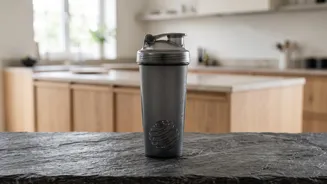







The Post-Workout State of Your Gut
To understand why that shake is causing trouble, you first need to know what’s happening inside your body after intense exercise. During a tough workout, your body enters a 'fight or flight' state. To maximize performance, it diverts blood flow away from
your digestive system and sends it to your hard-working muscles. This is a brilliant survival mechanism for powering through that last set, but it leaves your gut in a compromised state, temporarily slowing down its normal functions. When you finish your workout, your digestive system is still in this sluggish mode, making it less prepared to handle anything you introduce, especially something complex and cold.
The Shock of Cold Temperatures
Introducing an ice-cold beverage to your system, which is heated from exercise, can create a significant temperature difference. This sudden drop in temperature can cause the blood vessels in your stomach to constrict, temporarily slowing digestion even further. While some studies suggest cool water can be beneficial for hydration during exercise, chugging an icy shake immediately after can be a different story. The body may need to expend extra energy to warm the liquid to body temperature before it can be processed efficiently, contributing to feelings of discomfort, cramping, and bloating. This effect is usually temporary, but it’s enough to cause significant discomfort when your digestive system is already vulnerable.
The Trouble with Drinking Too Fast
It’s tempting to gulp down your shake quickly to refuel your muscles, but speed is a major culprit behind digestive distress. When you drink rapidly, you inevitably swallow a significant amount of air. This excess air gets trapped in your digestive tract, leading to gas, burping, and painful bloating. Furthermore, chugging a large volume of liquid in a short period can overwhelm your stomach. It puts a sudden, high-volume load on a system that is still trying to return to its normal operating rhythm after your workout. Sipping your shake slowly over 20 to 30 minutes gives your system time to adapt and process the nutrients without becoming overwhelmed.
Problematic Ingredients Hiding in Your Powder
Often, the issue isn’t the protein itself, but the other ingredients in the powder. Many popular protein powders, particularly whey and casein concentrates, contain lactose. A large portion of the adult population has difficulty digesting this milk sugar, leading to fermentation in the gut that causes gas, bloating, and cramps. Artificial sweeteners and sugar alcohols (like sorbitol, xylitol, and maltitol) are another common cause. These are not fully absorbed by the body and can ferment in the large intestine, causing similar digestive issues. Thickeners and gums (like xanthan or guar gum) can also slow digestion and trap gas, adding to the discomfort.
Simple Fixes for a Happier Gut
The good news is that you don't have to give up your post-workout shake. A few simple adjustments can make all the difference. First, give your body a chance to cool down; wait 20-30 minutes after your workout before having your shake. Let the shake sit for a few minutes to lose its icy chill, or mix it with cool—not ice-cold—water. Drink it slowly instead of chugging it. If problems persist, examine your protein powder's label. Consider switching to a whey protein isolate, which has most of the lactose removed, or a plant-based or egg white protein powder that is naturally lactose-free. Opt for products with a minimal ingredient list, avoiding those with lots of artificial sweeteners and gums.