





More Than Just Lifting Heavy
For decades, the simple mantra of resistance training was progressive overload: consistently increasing the challenge to your muscles. While that principle remains true, the fitness world is now embracing a more nuanced approach. Recent comprehensive
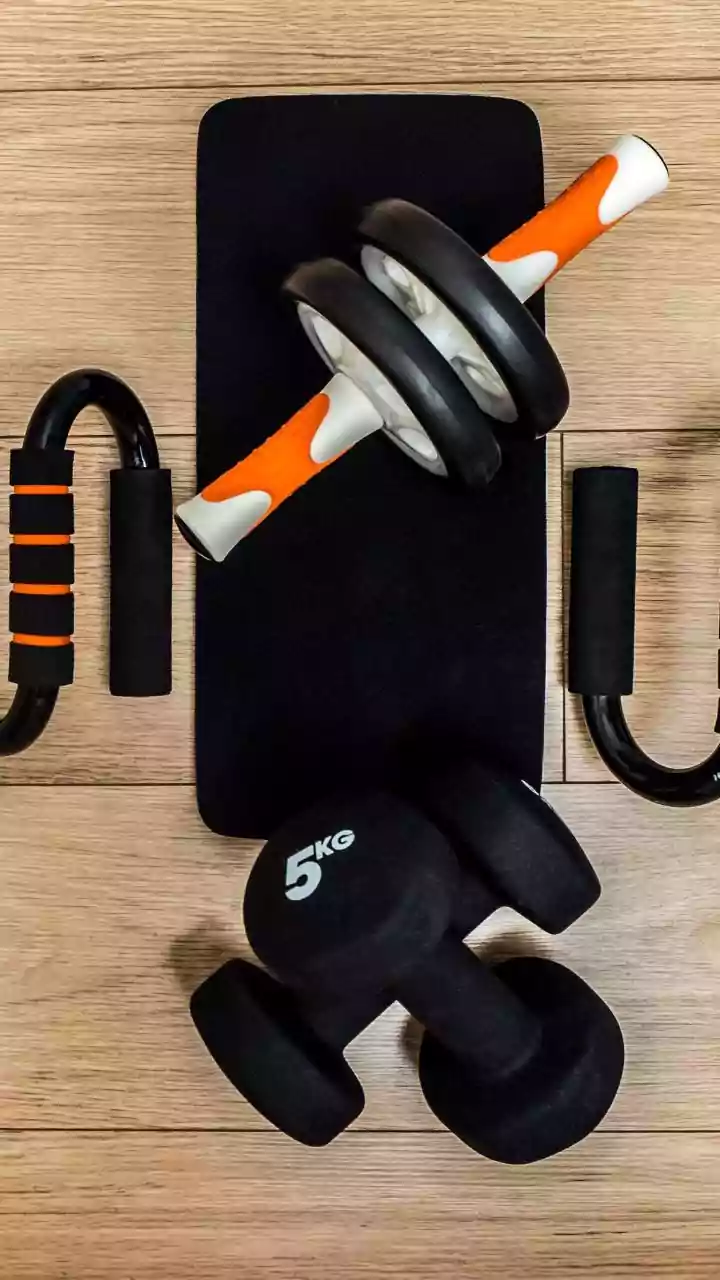
guidelines from bodies like the American College of Sports Medicine, updated for the first time in over a decade, emphasize a major takeaway: consistency is more important than complexity. The biggest leap in results comes from simply starting and sticking with any form of resistance training, whether it's with free weights, bands, or your own bodyweight. This shift is part of a larger trend that sees strength training not just as a way to build big muscles, but as a cornerstone of long-term health, helping to reduce chronic disease risk, improve bone density, and support mental wellness.
Quality or Quantity? The Big Debate
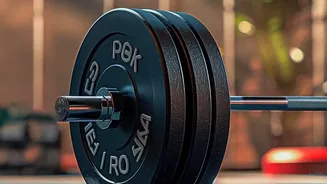
A long-standing debate among lifters is what truly drives muscle growth: lifting very heavy weights for few reps (high intensity) or lifting lighter weights for more reps (high volume). Current research suggests that both approaches can lead to significant gains in muscle size and strength. High-intensity training, using heavy loads, is excellent for developing maximum strength. Meanwhile, high-volume training, which involves more total work, is fantastic for muscle hypertrophy (growth) and endurance. The good news is that you don't necessarily have to choose. Many experts now believe the most effective long-term programmes incorporate both styles, often through periodisation—cycling through phases that focus on volume and intensity to get the best of both worlds while managing fatigue.
Thinking Your Way to Stronger Muscles
It might sound like a myth, but a growing body of research confirms that the 'mind-muscle connection' is very real and can boost your results. The concept is simple: by consciously focusing your thoughts on the specific muscle you're working, you can increase its activation. Studies using EMG to measure electrical activity in muscles have shown that this internal focus can lead to greater muscle engagement compared to simply going through the motions. One study even found that this focused approach led to significantly greater muscle growth over several weeks. This technique costs nothing and requires no special equipment, making it a powerful tool for anyone looking to make every single repetition count.
The Power of 'Workout Snacks'
One of the most accessible new trends is 'exercise snacking'—engaging in short, targeted bursts of activity throughout the day. Instead of one long, continuous workout, you might do a few minutes of squats, push-ups, or stair climbing several times a day. Emerging research is surprisingly positive, showing that these mini-workouts can improve cardiorespiratory fitness, blood sugar regulation, and overall strength. For people with busy schedules, exercise snacking provides a practical way to break up sedentary time and accumulate the recommended amount of daily physical activity. It's also been shown to be beneficial for metabolic health, as a short 'snack' before a meal can help manage blood glucose levels.
Innovative Techniques on the Horizon
For those looking to the future, researchers are also exploring more advanced methods. One that's gaining significant attention is Blood Flow Restriction (BFR) training. This technique involves using cuffs to partially restrict blood flow to a limb while performing exercises with very light weights. The result is an accumulation of metabolic stress that can trick the body into producing strength and muscle gains comparable to traditional high-intensity training. Initially popular in rehabilitation settings for people who couldn't handle heavy loads, BFR is now being explored by athletes to supplement their training. While it requires specific equipment and knowledge to perform safely, it represents the cutting edge of how science is finding new ways to achieve fitness goals.