

The Algorithm in Your Wardrobe
It’s no secret that technology has woven itself into the fabric of our lives, and our closets are no exception. Platforms like Instagram, TikTok, and Pinterest have become digital runways, with powerful algorithms acting as the new front-row editors.
These systems analyse every click, like, and search to create a highly personalised stream of content. They observe which styles, colours, and silhouettes are gaining traction, often identifying emerging trends before they hit the mainstream. The goal is simple: to show you more of what you already like, keeping you engaged and, ultimately, influencing your next purchase. This creates a powerful feedback loop where the algorithm both identifies and amplifies trends, shaping what becomes popular.
The Fear of a Fashion Echo Chamber
The most common critique of this algorithmic curation is the fear of homogenization—the idea that if we are all being fed the same trends, we will all end up looking the same. Critics worry that by prioritizing what's already popular, algorithms discourage experimentation and create “echo chambers” of style. If you’ve ever liked one post about “quiet luxury,” only to find your feed flooded with beige trench coats and minimalist basics, you’ve experienced this firsthand. This can make it feel like the vibrant, chaotic world of fashion is being flattened into a predictable and marketable set of aesthetics, making it harder for smaller designers and more niche styles to break through.
The Rise of Unexpected Pairings
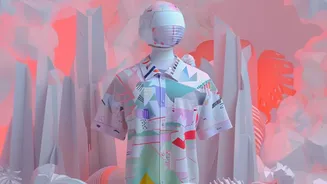
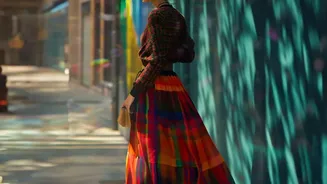
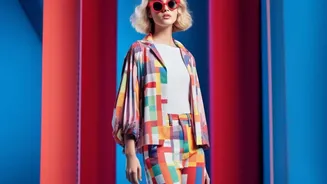
But here is where the debate gets interesting. In their relentless quest for engagement, these same algorithms can produce surprising and delightfully strange results. They might unearth an obscure aesthetic or surface a style combination so out-of-the-box that no human stylist would have dared to suggest it. Think of the “Miximalism” trend, which thrives on clashing patterns, or the “weird girl” aesthetic, which pairs formal pieces with ultra-casual items. These are not born from a desire for harmony. Instead, the algorithm, which lacks human context for what “goes together,” simply identifies that two disparate items are getting high engagement and pushes them together. The result is a kind of creative chaos, serving up unexpected pairings that challenge traditional fashion rules.
A New Source of Creative Inspiration
This is where the true value lies. The algorithm’s non-obvious combinations act as a powerful creative prompt. By showing us a floral print paired with camouflage or a ballgown skirt with sneakers, it forces us to look at our own wardrobes with fresh eyes. It's a departure from the rigid rules that once governed fashion, such as never mixing certain prints or colours. Instead of providing a strict dress code, the algorithm offers a mood board of possibilities, some of which are brilliantly bizarre. It gives us permission to experiment, to try pairings we would have otherwise dismissed, and to find confidence in clashing. It reminds us that sometimes, the most compelling style moments come from breaking the rules.
The Human Touch Still Reigns Supreme
Ultimately, an algorithm is a tool, not a tastemaker. While it can analyse data and predict patterns, it lacks the cultural intuition, emotional intelligence, and lived experience that form the basis of true personal style. An algorithm can suggest a combination, but it cannot understand the story behind an outfit, the emotional connection to a particular garment, or the confidence that comes from wearing something that feels authentically you. Studies have shown that consumers still respond more favourably to human-designed fashion, valuing the authenticity and creativity that a machine cannot replicate. The algorithm can be a fantastic starting point for inspiration, but the final decision—the act of curating, styling, and imbuing clothes with personal meaning—remains a deeply human one.