








The Anatomy of a 'Package' Deal
When you purchase a package holiday, you're buying a bundle of services. This typically includes flights, accommodation, local tours, and transfers. Often, for international trips, the travel agent will also offer to handle your visa application as part
of the service. This creates the convenient illusion of a single, all-inclusive product. However, it's essential to understand that these are separate components, each with its own set of rules, particularly when it comes to cancellations and refunds. The travel agent acts as a facilitator, bundling services from different providers—airlines, hotels, and government embassies. A problem with one component, like the visa, doesn't automatically void your obligations to the others.
Why Visa Fees Are Almost Always Non-Refundable
This is the most critical point of confusion. A visa application fee is not a payment for the visa itself; it is a fee to process your application. Embassies and consulates charge this fee to cover the administrative costs of reviewing your documents and making a decision. Whether your application is approved or denied, the work has been done, and the service has been rendered. Therefore, governments almost universally consider these fees non-refundable. Some travel agency refund policies explicitly state that visa fees are non-refundable under any circumstances. While there can be very rare exceptions for clerical errors, a standard rejection is not one of them.
The Financial Domino Effect of a Visa Rejection
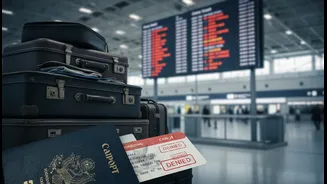
If your visa is denied, you cannot travel. But your tour operator has already made non-refundable or partially non-refundable bookings on your behalf. Airlines have their own strict cancellation policies, as do hotels. When you cancel because of a visa denial, the tour operator will simply pass these cancellation penalties on to you. Their terms and conditions are designed to protect them from such losses. For example, a typical policy might state that cancellations made less than 15 or 30 days before departure are subject to a 100% penalty. Since visa decisions can often come close to the travel date, a rejection frequently puts travelers in this no-refund window.
Read the Fine Print Before You Pay
Your contract with the travel agency is the most important document. Before making any payment, you must read the cancellation and refund policy thoroughly. Do not rely on verbal assurances. Look for specific clauses related to visa rejection. If the contract states that standard cancellation policies apply in the event of a visa denial, you know exactly where you stand. Some companies may offer to reschedule your trip, but this is not a guaranteed right. Understanding the terms and conditions is your primary line of defense. Ask direct questions: "What is your exact refund policy if my visa is denied?" and get the answer in writing if possible.
How to Truly Protect Your Travel Investment
The best way to safeguard against losing your money is to purchase appropriate travel insurance. However, not all standard travel insurance policies cover trip cancellation due to visa rejection. You must specifically look for a policy that includes "visa rejection" as a covered reason, which is often available as an add-on or a feature in more comprehensive plans. This type of insurance can reimburse you for non-refundable costs like visa fees, flights, and hotel bookings if your application is denied. To make a successful claim, you typically need to buy the policy before you apply for the visa and provide the official rejection letter from the embassy. Some policies may even offer a "Cancel for Any Reason" benefit, which provides broader protection, though usually at a higher cost and for a partial refund.