




Start at the Source: Refuse First
The most effective way to cut waste is to prevent it from entering your home in the first place. This is the 'Refuse' principle, and it’s the foundation of a low-waste lifestyle. It requires a small shift in mindset but has a massive impact. Before accepting
something, ask yourself: 'Do I really need this?' Start with the easy targets. Politely say 'no, thank you' to plastic straws at juice stalls, single-use cutlery with your takeaway order, and promotional flyers being handed out on the street. Carry a reusable cloth bag for all your shopping, whether it's for vegetables or clothes. This simple habit alone eliminates countless plastic bags. When ordering online, look for an option to request minimal packaging. It’s about creating a protective bubble around your home that only lets in what is truly necessary.
Rethink Consumption: Reduce What You Buy
After refusing what’s unnecessary, the next step is to 'Reduce' what you consume. Modern life encourages us to buy more, but smart living is about buying better. This isn’t about deprivation; it's about conscious purchasing. Before buying a new gadget, piece of clothing, or kitchen tool, take a moment to consider if you have something similar that could do the job.
Opt for quality over quantity. A well-made item might cost more upfront but will last longer, saving you money and resources in the long run. When it comes to groceries, plan your meals for the week to avoid impulse buys that lead to food waste. Buying staples like rice, dal, and spices from bulk bins using your own containers is another excellent way to reduce packaging. This approach not only shrinks your dustbin but also declutters your home and your mind.
Give Items a Second Life: The Art of Reuse
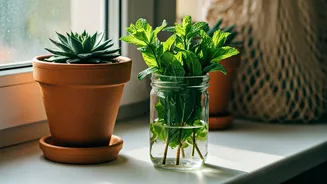
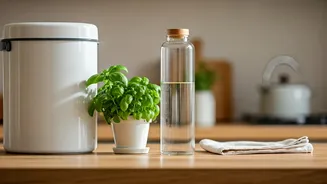
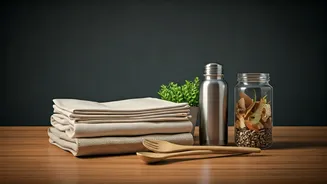
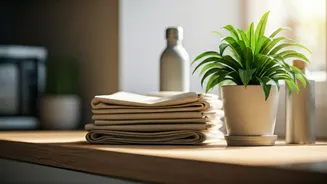
Before you toss something, think about how it could be 'Reused'. This principle taps into the classic Indian tradition of ingenuity and resourcefulness. Many items we consider 'waste' are simply resources in the wrong place. Glass jars from jams and pickles can be cleaned and used to store spices, leftovers, or even as small planters. Old t-shirts and bedsheets can be cut into cleaning rags, eliminating the need for paper towels.
Extend the life of your belongings through repair. A local tailor can mend a torn shirt, and a cobbler can give new life to worn-out shoes. For items you no longer need but are still in good condition—like clothes, books, or furniture—consider donating them to a local charity or giving them to someone who can use them. Reusing is a creative challenge that turns potential trash into treasure.
Turn Kitchen Scraps into Gold: Compost (Rot)
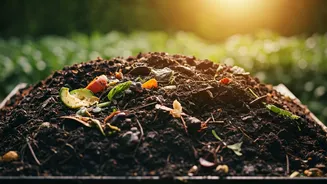
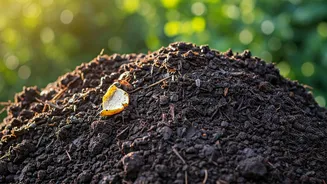
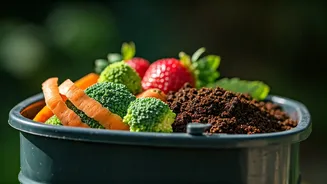
In a typical Indian household, a huge portion of waste—often over 60%—is organic 'wet' waste from the kitchen. This includes vegetable peels, fruit scraps, tea leaves, and leftover food. When this goes to a landfill, it rots and releases methane, a potent greenhouse gas. The smartest solution is to 'Rot' it, or compost it, at home.
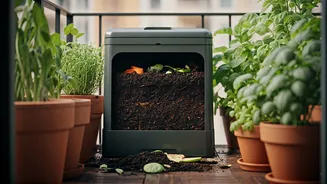
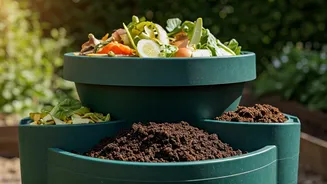
Composting might sound intimidating, but it's surprisingly simple. Compact countertop composters or traditional pot-based systems (like the 'Khamba') are readily available online and work well for apartment balconies. All your fruit and vegetable peels, coffee grounds, and eggshells can be turned into nutrient-rich manure for your plants. It dramatically reduces the volume and smell of your main dustbin and provides free, high-quality fertiliser for your garden or potted plants. This single habit can cut your household waste by more than half.
The Final Step: Recycle Responsibly
Recycling is important, but it should be the last resort after you have tried to refuse, reduce, reuse, and rot. It's not a guilt-free pass to consume more, as the process itself requires energy and resources. To 'Recycle' effectively, proper segregation is key. India's Solid Waste Management Rules mandate separating wet waste (kitchen scraps) from dry waste (plastic, paper, glass, metal).
Keep two bins: one for all your compostable wet waste and one for dry waste. For the dry waste, make sure items are clean and dry before disposal. A greasy pizza box or a food-smeared plastic container can contaminate an entire batch of recyclables. Check with your local municipality or waste collector about what specific materials they accept. By sending clean, properly segregated materials for recycling, you give them the best chance of actually being turned into something new.