


The Retreat from Stark Minimalism
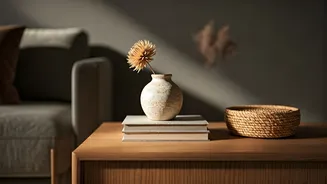
The long reign of minimalism promised clarity and calm through subtraction. It was an aesthetic that dominated social media feeds and showrooms, advocating for a life free of clutter. However, for many, this pristine ideal started to feel less like a sanctuary
and more like a sterile, untouchable museum. Designers note that the cool greys and stark whites, once seen as sophisticated, can now feel cold and impersonal. There’s a growing sentiment that these picture-perfect spaces, while beautiful, often lack a sense of soul or history. As a reaction, people are beginning to crave homes that feel lived-in and reflect the messy, beautiful reality of the lives within them. The era of performative emptiness is giving way to something warmer and more authentic.
Welcome to the Era of Curated Clutter
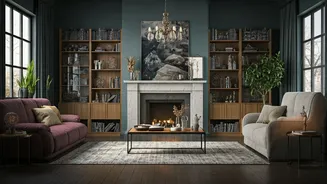
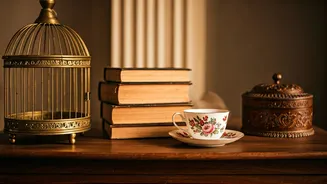
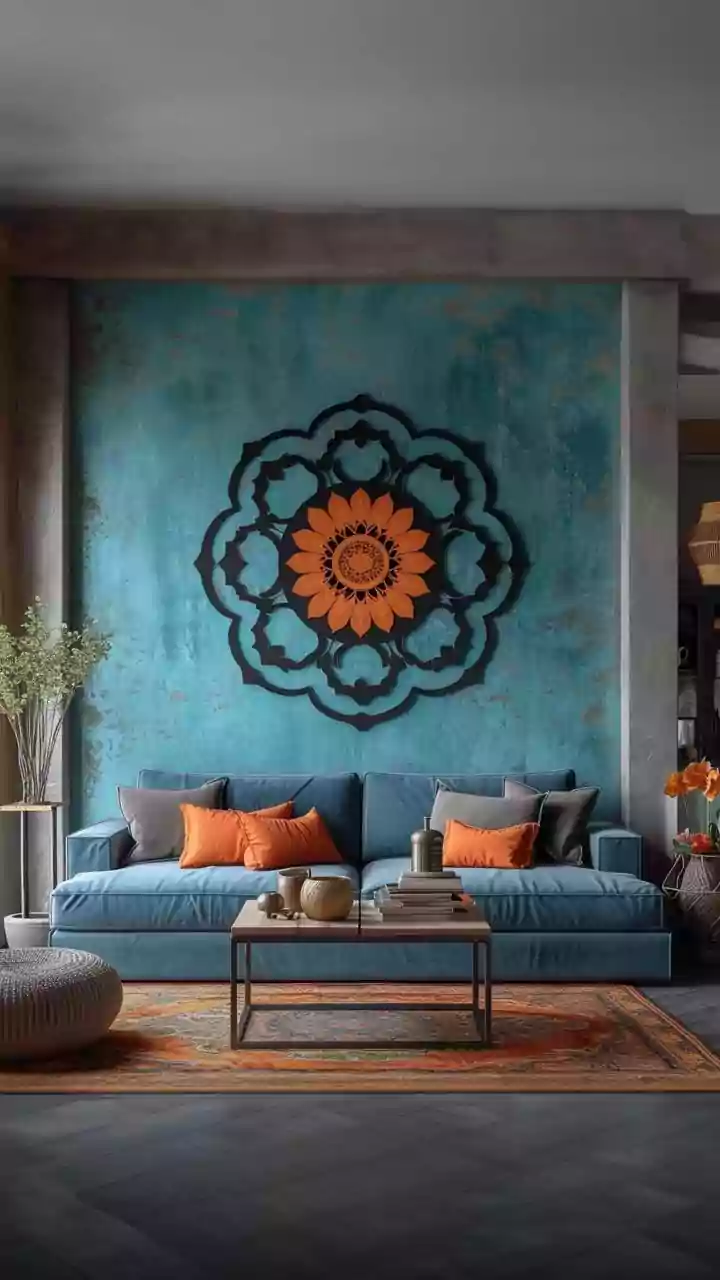
The new movement isn't about chaos or hoarding; it's about intentionality. Terms like 'cluttercore' and 'curated maximalism' describe this trend, which champions surrounding yourself with items that hold meaning. This isn't just accumulating 'stuff.' It’s about thoughtfully displaying the objects that tell your personal story—travel souvenirs, family heirlooms, a beloved collection of books, or your child's artwork. The focus is on creating a layered, textured space that feels unique to you. According to trend reports, maximalism is returning for 2026 with a purposeful edge, emphasizing special pieces and truly personal items that add character. The goal is to design a home that is a reflection of your identity, experiences, and joys.
A Search for Comfort and Control
So, why is this shift happening now? The psychology behind it is revealing. In an increasingly digital and often unpredictable world, surrounding ourselves with tangible objects can provide a sense of control and grounding. The act of collecting and arranging items we love can reduce stress and create a feeling of order. Furthermore, after years of global uncertainty, people are seeking comfort in their homes. Personal objects evoke nostalgia and positive memories, creating an environment of emotional safety. This turn toward sentimental decor is a direct response to a collective need for spaces that feel not just stylish, but also deeply comforting and restorative. It’s about making our homes a sanctuary in the truest sense.
Bringing Personality to Your Walls
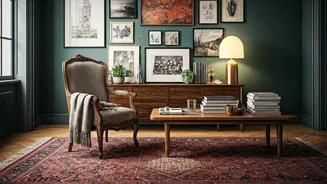
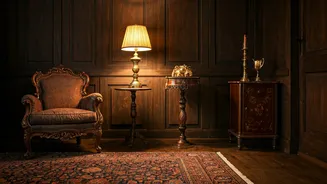
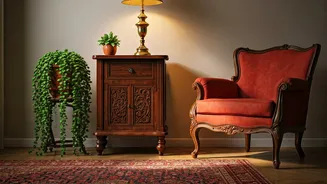
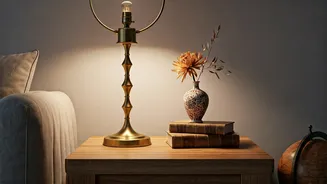
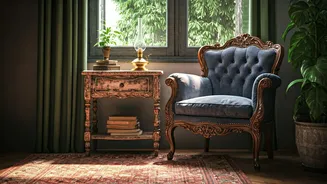
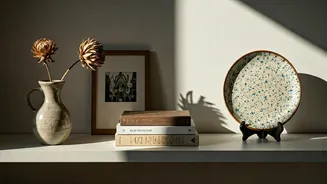
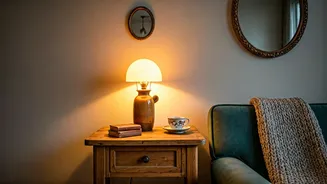
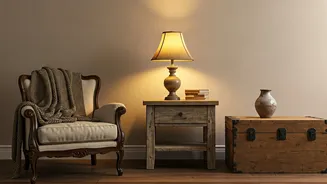
Embracing this trend doesn't require a complete overhaul. It starts with giving yourself permission to display the things you love. Think gallery walls filled with a mix of art, photos, and postcards. Let your bookshelves overflow. Create 'memory clusters' on a mantlepiece or side table with objects from your travels or gifts from loved ones. The key is curation, not disorganisation. Think about creating zones for your collections to tell a cohesive story. Mixing old with new is central to this aesthetic—pair a vintage lamp from your grandmother with a modern sofa. The beauty of this approach is that there are no strict rules. It’s about what feels authentic to you, creating a space that is a living scrapbook of your life.
More Than Just Consumerism
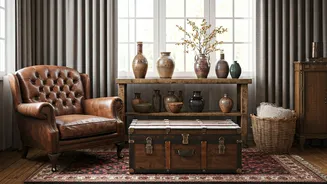
It’s easy to mistake a trend celebrating 'things' for a push toward more consumption, but this movement is often the opposite. It’s about valuing the items you already own. Many people are embracing this style by shopping for secondhand and vintage pieces, which is not only sustainable but also adds instant history and character to a room. This trend encourages you to shop your own home first—to unbox treasures that have been hidden away and let them see the light of day. It’s a shift from seeing objects as disposable to viewing them as keepers of memory and chapters of your personal history. It's about finding joy and meaning in permanence, allowing your possessions to grow with you rather than being replaced with each passing trend.