



From Aspiration to Authenticity
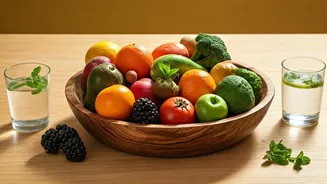
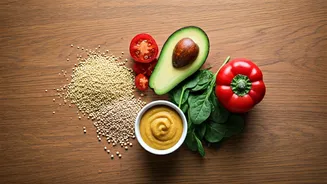
For years, modern summer cooking was defined by what we saw online. Think vibrant smoothie bowls with imported berries, elaborate salads with quinoa and avocado, and picture-perfect dishes designed more for Instagram than for nourishment. There was a pressure
to perform, to create meals that looked worldly and complex. But a subtle fatigue has set in. Many are now rejecting the tyranny of the perfect picture and finding joy in food that is simply delicious, honest, and easy to prepare. This shift isn't about giving up; it's about getting real. It’s a collective exhale, a move towards authenticity where the value of a meal is measured in its flavour and comfort, not in its social media currency. The focus is returning to the plate, not the post.
The Economic Reality on Our Plates
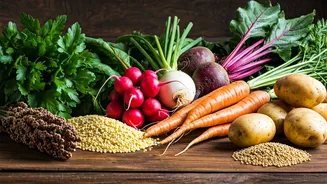
Let’s be honest: a significant driver of this trend is the economy. With food inflation pinching household budgets, practicality is no longer just a preference but a necessity. The days of casually buying expensive, imported ingredients are fading for many. Instead, home cooks are becoming smarter and more resourceful. This means a renewed focus on local, seasonal produce which is not only fresher and more flavourful but also significantly cheaper. It’s about rediscovering the versatility of humble ingredients like gourds (lauki, tori), greens (palak, methi), and lentils. This economic pressure is forcing a creative renaissance in the kitchen, where the challenge is to make delicious, satisfying meals without breaking the bank. It's a return to the thrifty wisdom that our grandparents practised by default.
Reclaiming Our Grandmothers' Wisdom
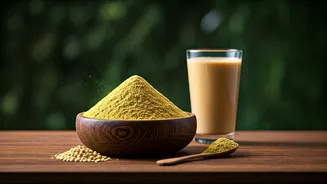
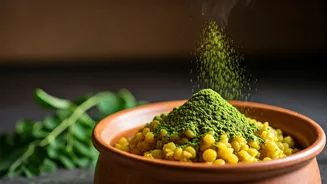
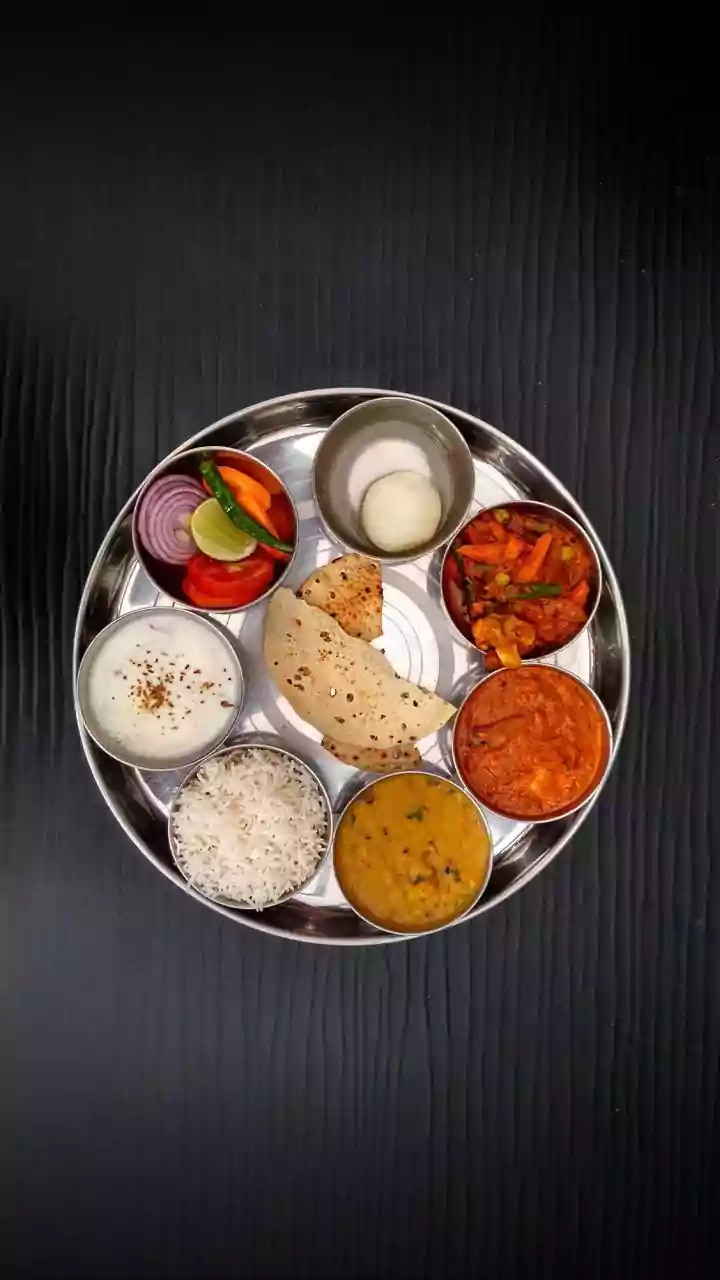
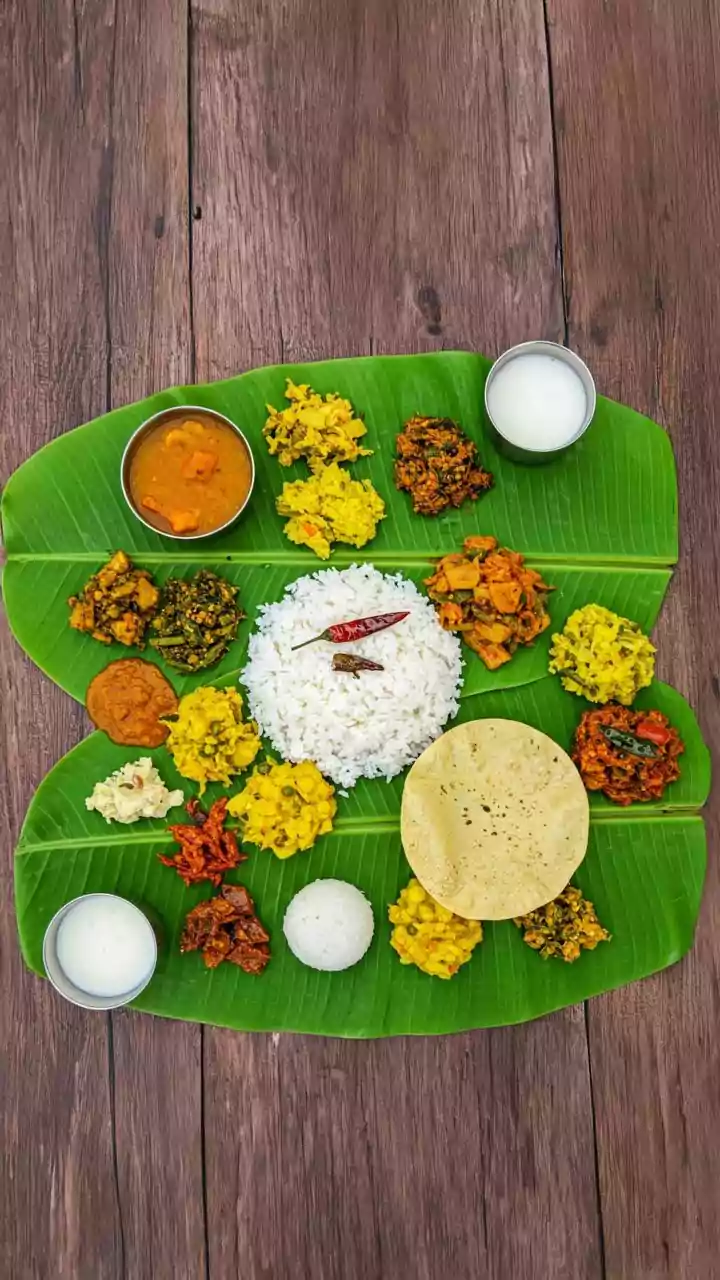
The 'rooted' aspect of this trend is perhaps the most powerful. It’s a conscious effort to reconnect with traditional Indian culinary knowledge. For generations, our summer diets were intrinsically designed to be cooling, hydrating, and easy to digest. We’re now seeing a revival of these principles. Instead of sugary packaged drinks, people are making buttermilk (chaas), roasted barley water (sattu), and raw mango pannas at home. We’re learning that traditional recipes—like a simple moong dal with a dollop of ghee or a light vegetable stew—are not just nostalgic but scientifically sound for hot weather. This is about valuing the immense wisdom embedded in regional cuisines, which have been perfected over centuries to work in harmony with our climate and our bodies. It’s a delicious form of cultural reclamation.
The Rise of the Hyper-Local
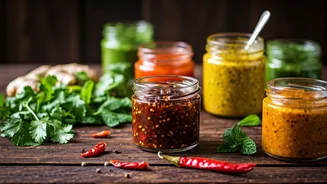
This practical shift is also changing where we get our food. There's a growing appreciation for the hyper-local, whether it's the neighbourhood sabzi-wala, the weekly farmers' market, or even a few pots of herbs on a balcony. Shortening the distance from farm to table means fresher food, less waste, and a stronger connection to the community. People are asking where their food comes from and choosing vendors who can tell them. This desire for transparency and freshness is a direct counterpoint to the anonymous, long-supply-chain model of industrial food. It fosters a relationship with the food we eat, turning a simple act of grocery shopping into a more mindful and meaningful experience. Even urban dwellers are finding ways to participate, nurturing small gardens of mint, coriander, and chillies on their windowsills.
What This Looks Like in Practice
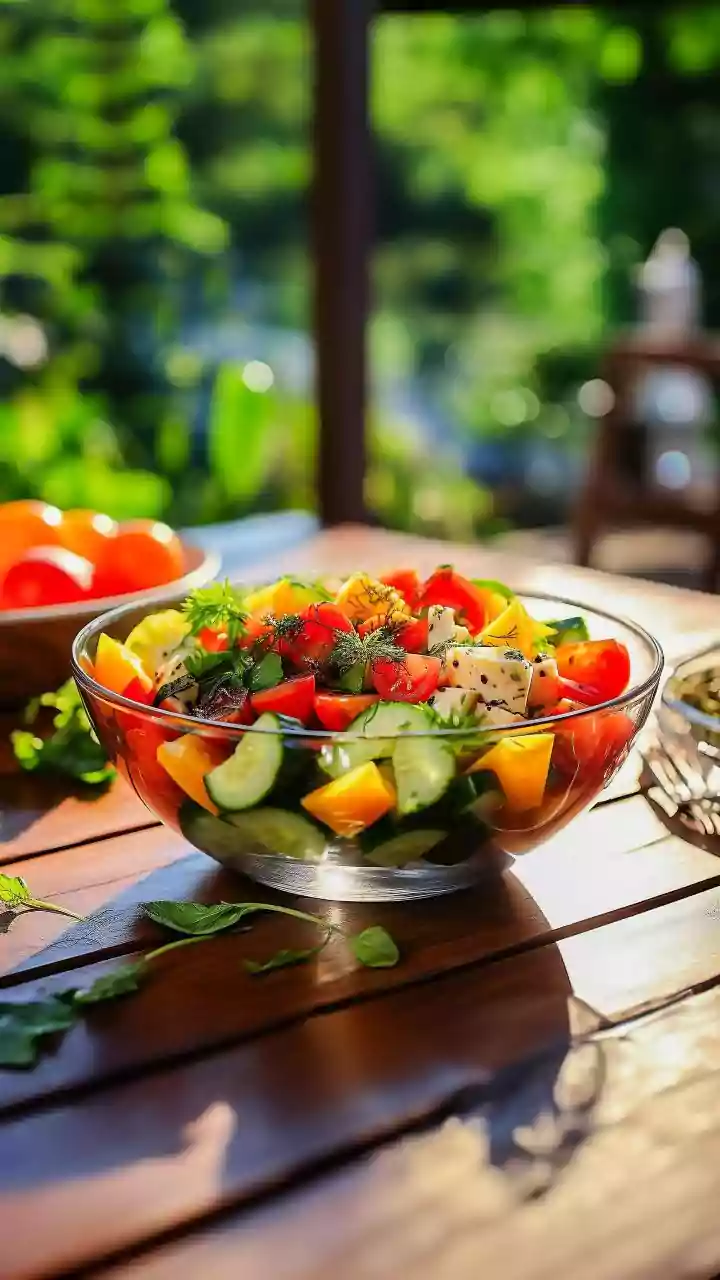
So, what does this rooted and practical summer plate look like? It’s less about following a prescriptive recipe and more about an intuitive approach. It’s choosing phalsa or jamun over imported blueberries. It’s making a cooling cucumber and mint raita instead of a heavy, cream-based dip. It’s stir-frying freshly picked seasonal vegetables with minimal spices to let their natural flavours shine. It might be a simple millet khichdi, which is both nutritious and light on the stomach, or a colourful koshimbir (a Maharashtrian salad) made with grated carrots, cucumber, and peanuts. It is the art of using every part of the vegetable, from stems to peels, to create stocks or side dishes. Ultimately, it’s food that nourishes the body, respects the budget, and soothes the soul.