

A Land of Sun and Solitude
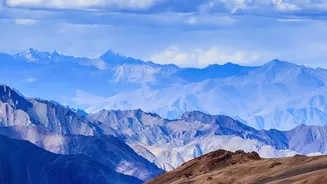
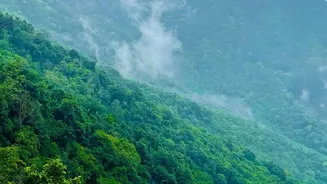
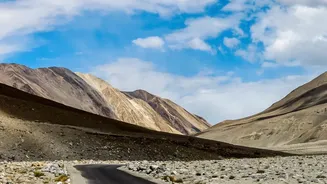
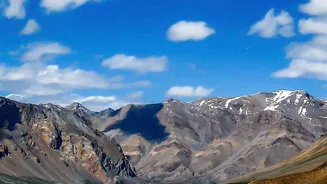
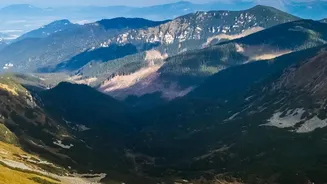
While the rest of the country navigates puddles and downpours, Ladakh in August is a spectacle of clear blue skies and pleasant weather. Located in a trans-Himalayan rain shadow, the mountains block monsoon clouds from reaching this high-altitude desert.
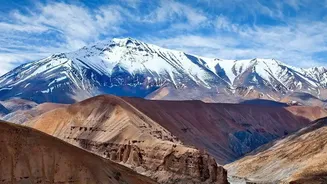
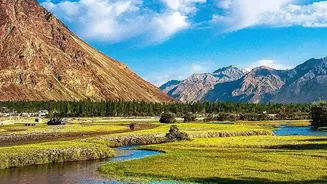
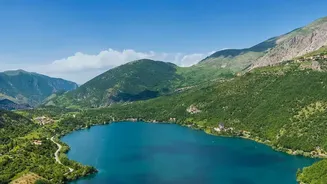
This results in one of the best months to visit, with all roads and passes typically open. Daytime temperatures in the main town of Leh can hover between a warm 20 to 25 degrees Celsius, perfect for exploring, though evenings turn crisp and cool, dropping to around 10 degrees. The sun at this altitude can be intense, but it’s a welcome change from the season’s gloom, illuminating a landscape of barren mountains, turquoise lakes, and ancient monasteries.
An Itinerary for Adventure
August is peak season for a reason: the conditions are ideal for exploring Ladakh’s treasures. Start in Leh, the region's heart, visiting the historic Leh Palace and the serene Shanti Stupa. From there, the options are endless. A drive over the Khardung La pass—one of the world's highest motorable roads—takes you to the surreal Nubra Valley, with its sand dunes and double-humped Bactrian camels. Another must-see is the breathtaking Pangong Tso, a high-altitude lake whose colours shift from blue to green throughout the day. For adrenaline junkies, August offers thrilling white-water rafting on the Zanskar and Indus rivers, with rapids suitable for both beginners and experts. Trekkers will also find popular routes like the Markha Valley trek in prime condition.
A Note on Altitude and Acclimatisation
The incredible altitude is part of Ladakh’s magic, but it requires respect. Leh sits at approximately 11,500 feet, where the air contains significantly less oxygen. To prevent Acute Mountain Sickness (AMS), acclimatisation is not just a suggestion—it's mandatory. The official advisory from the Leh District Administration recommends a minimum of 48 hours of complete rest in Leh upon arrival before venturing to higher altitudes like Pangong Tso or Khardung La. Rushing your itinerary is the quickest way to fall ill. On your first couple of days, avoid strenuous activity, stay hydrated by drinking plenty of water (at least 2-3 litres a day), and avoid alcohol. This simple precaution ensures your body adapts, allowing you to enjoy the adventure ahead safely.
Cultural Immersion and Local Festivals
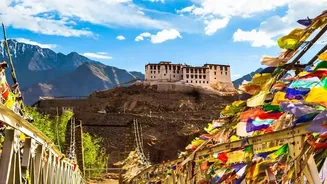
Beyond the landscapes, August is a fantastic time to experience Ladakhi culture. The region is dotted with ancient Buddhist monasteries like Hemis, Thiksey, and Lamayuru, which are not just architectural wonders but living centres of faith. This month often hosts several vibrant local festivals. The Changthang Nomadic Festival, for instance, offers a glimpse into the life of the region's pastoral communities. You may also find other celebrations like the Tak-Tok Tse-Chu or the Suru Summer Festival on the calendar, featuring traditional masked dances (Chhams), music, and archery, providing a rich, authentic cultural experience.
Getting There and Getting Around
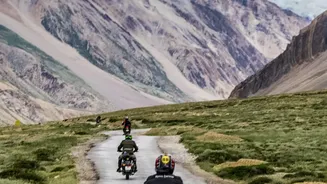
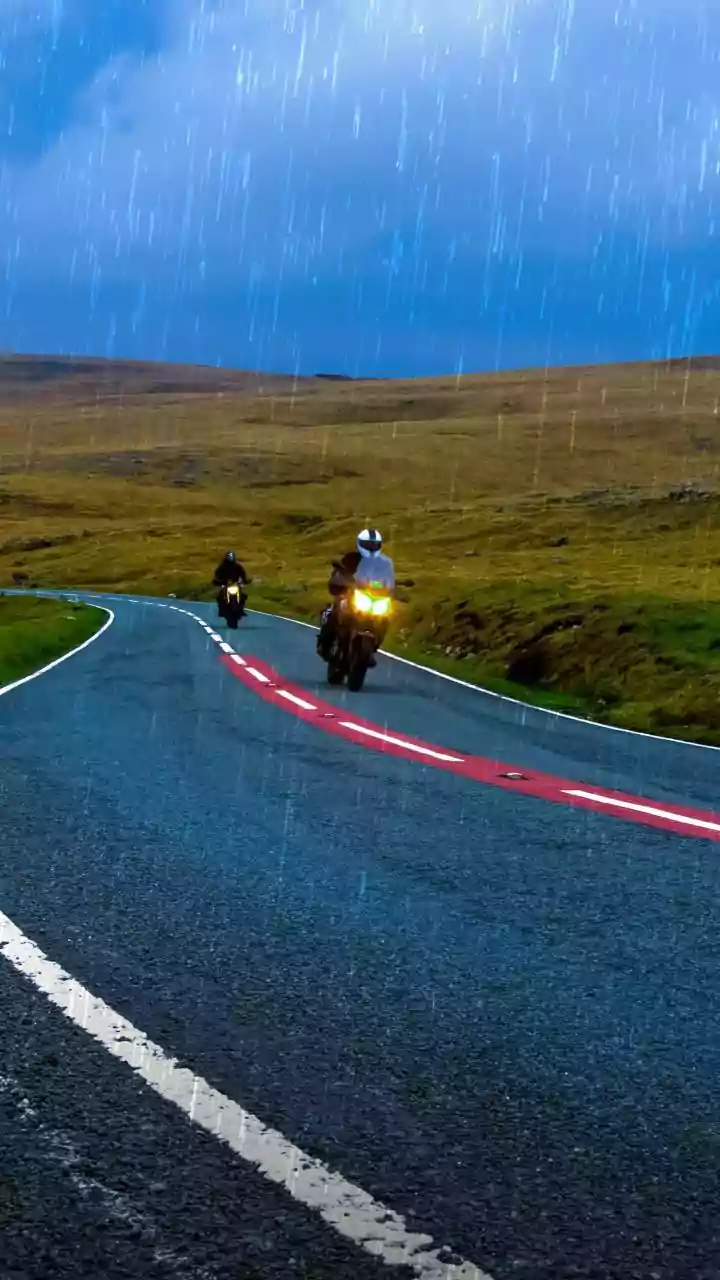
The most convenient way to reach Ladakh in August is by flying directly into Leh's Kushok Bakula Rimpochee Airport, which is well-connected to major Indian cities like Delhi and Mumbai. For the more adventurous, road trips are a popular option. Both the Manali-Leh Highway and the Srinagar-Leh Highway are open, offering epic scenery. However, be aware that the approaches to Ladakh on these routes can still experience rain and potential landslides, so it's wise to build extra buffer days into your schedule if you choose to drive. Once in Ladakh, the internal roads connecting Leh to Nubra Valley and Pangong Tso are generally clear, and hiring a local taxi or joining a tour is the easiest way to navigate the region.