








The Hidden Danger in Your Balcony
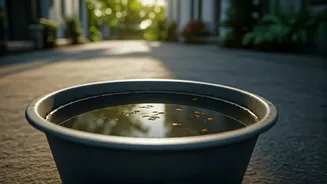
That harmless-looking saucer of water under your favourite potted plant is one of the most dangerous spots in your home during the monsoon. [19] Stagnant water, no matter how little, is the perfect nursery for the Aedes aegypti mosquito. [11] This mosquito species
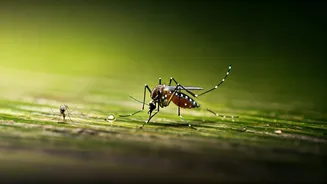
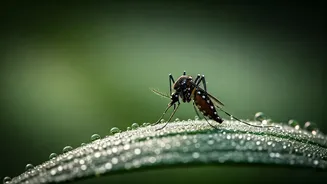
is the primary carrier for several debilitating viral illnesses. [15] Female mosquitoes lay hundreds of eggs in still water, and in warm, humid monsoon conditions, these eggs can hatch into larvae in just 24 to 48 hours. [4, 10] Within a week, they can become adult mosquitoes ready to bite and spread disease. [20] Surveys have consistently shown that domestic containers and flower pot plates are among the top breeding habitats for these mosquitoes. [21]
Dengue and Chikungunya: The Real Threat
The Aedes mosquito spreads dengue and chikungunya, two diseases that see a massive spike in cases across India every monsoon. [7, 11] Dengue fever can cause high fever, severe headache, pain behind the eyes, joint and muscle pain, and rashes. [13, 14] In severe cases, it can lead to complications and require hospitalisation. Chikungunya is known for causing excruciating joint pain that can linger for months, significantly impacting quality of life. [15] Public health bodies like the National Centre for Vector Borne Diseases Control (NCVBDC) issue advisories every year, urging citizens to be vigilant about preventing mosquito breeding to curb these outbreaks. [12, 23]
Your Simple Weekly Cleanup Routine
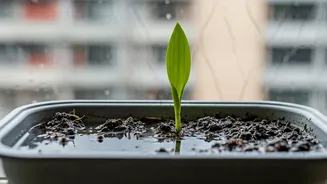
Preventing mosquito breeding is far more effective than trying to eliminate adult mosquitoes. The most crucial step is to eliminate their breeding grounds. Make it a weekly habit to check every single flowerpot tray and saucer in your balcony, garden, and even indoors. Empty any collected water completely. Simply pouring out the water isn't enough; mosquito eggs can stick to the sides of the containers. [21] You must scrub the inside of the trays thoroughly to dislodge any eggs. After scrubbing, wipe them dry before placing them back under the pots. For best results, consider loosening the soil in the pots to prevent water from accumulating on the hardened top surface. [21] This simple, five-minute check once a week can make all the difference.
Beyond Flowerpots: Other Monsoon Hotspots
While flowerpot trays are a major culprit, they aren't the only ones. During the monsoon, potential breeding grounds multiply. Be sure to regularly inspect and clean other areas where rainwater can collect. This includes air coolers, which should be drained and cleaned weekly. [19] Also check discarded items like old tyres, buckets, cans, and plastic containers. [4] Ensure your rooftop and drains are clear of leaves and debris to prevent water from stagnating. [6] Pet water bowls left outdoors should be emptied and refilled daily. [4] Even the defrost tray behind your refrigerator can collect enough water for mosquitoes to breed. [19] A thorough check of your entire home and its immediate surroundings is essential for a mosquito-free environment.
Simple Steps for Added Protection
Beyond eliminating stagnant water, you can take other measures to protect your family. Use mosquito nets while sleeping, especially for children and the elderly. [9] Ensure your windows and doors have screens, and repair any holes. [2] Wearing light-coloured, full-sleeved clothing can also reduce mosquito bites, as mosquitoes are often attracted to darker colours. [9, 20] Natural repellents can also help. Plants like citronella, lemongrass, and tulsi are known to deter mosquitoes and can be a great addition to your balcony garden. [10] You can also burn camphor or dried neem leaves, as the smoke is a natural insect repellent. These small habits, when combined with a clean environment, form a powerful defence against monsoon illnesses.