

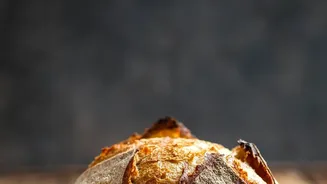
The Rise of a 'Super Grain' in Baking
For generations, millets like jowar, bajra, and ragi were staples in Indian kitchens, long before refined wheat flour (maida) became dominant. Today, a health-conscious wave is bringing these powerhouse grains back into the spotlight, and this time they
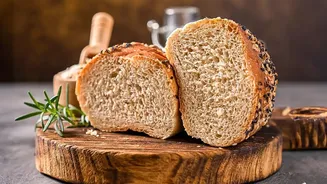
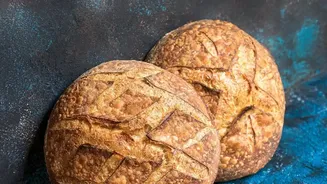
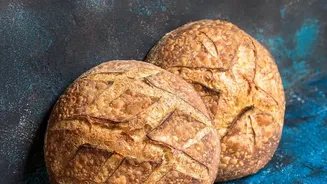
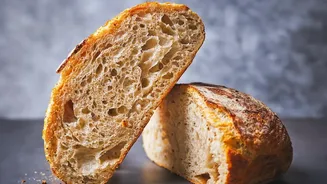
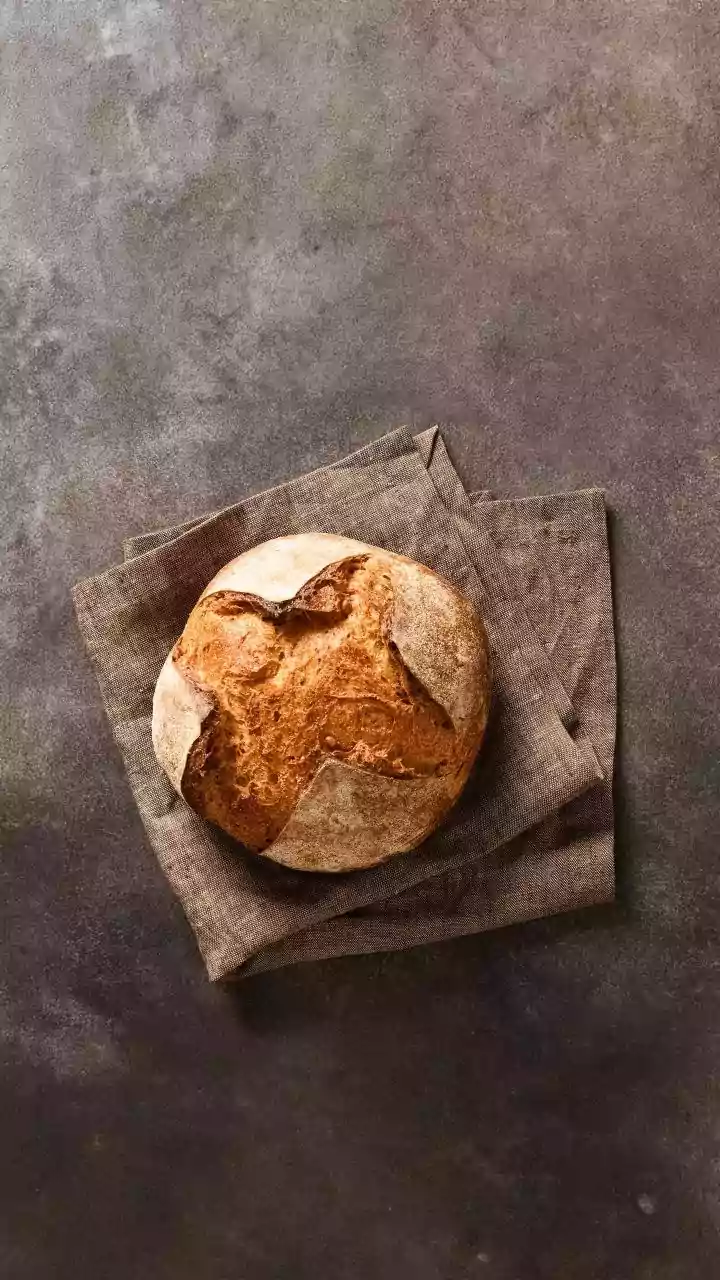
are conquering bakeries. Across India, artisanal bakers and even larger brands are swapping out maida for native millet flours to create everything from crusty sourdough loaves and fluffy muffins to rich brownies and delicate cakes. This trend is driven by a growing consumer demand for healthier, more nutritious options that don't sacrifice taste. It represents a perfect blend of tradition and modernity, where the wholesome goodness of our ancestors' food is being adapted for the contemporary palate.
A Nutritional Powerhouse Compared to Wheat
So, what makes millet flour a healthier choice? The benefits are numerous. Firstly, most millets are naturally gluten-free, making them a blessing for people with celiac disease or gluten sensitivity. Nutritionally, they are superior to refined wheat flour in several ways. Millets are packed with dietary fibre, which aids digestion, promotes a feeling of fullness, and helps regulate blood sugar levels. They also boast a lower glycemic index than refined flour, preventing the sudden spikes in blood sugar that can lead to energy crashes. Furthermore, millets are rich in essential minerals like iron, magnesium, calcium, and phosphorus, and contain more vitamins and antioxidants that help protect the body from chronic diseases.
Meet the Stars: Jowar, Bajra, and Ragi
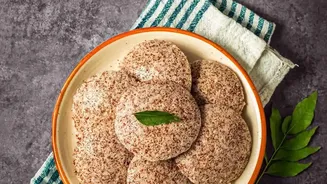
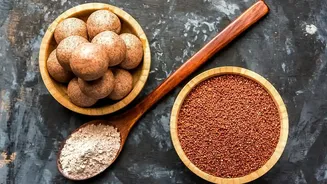
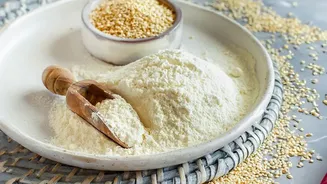
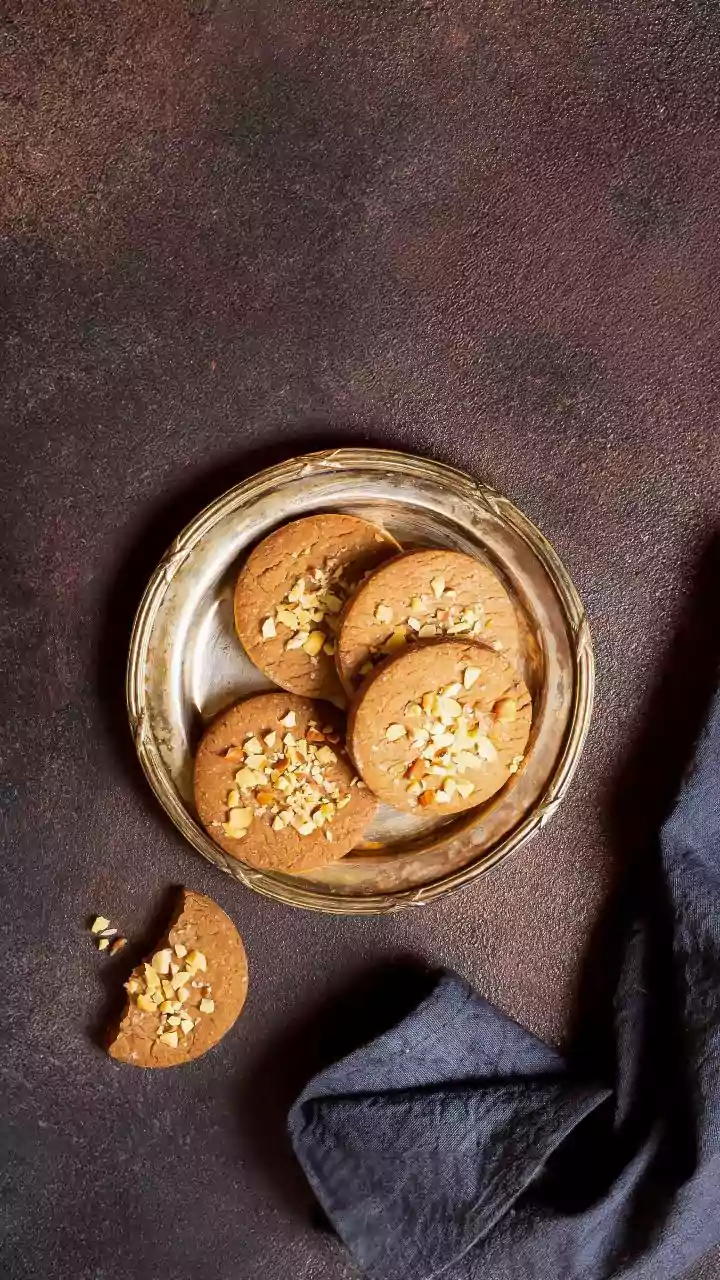
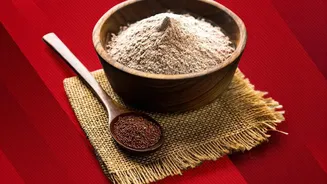
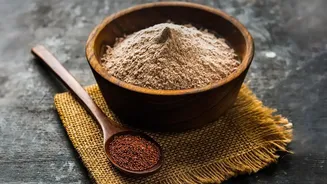
While there are many types of millets, a few have become favourites in the baking world. Ragi (Finger Millet), known as Nachni in some regions, has a distinctive, slightly nutty flavour and lends a beautiful, dense crumb to cakes and brownies. Jowar (Sorghum), with its mild taste, is incredibly versatile and works well in breads, muffins, and pancakes. Bajra (Pearl Millet) has a stronger, earthier flavour and is often used to create rustic, flavourful breads and cookies. Artisanal bakers are also experimenting with other varieties like foxtail millet and amaranth to create unique textures and taste profiles in their products.
The Baker's Craft: Overcoming Challenges
Baking with millet flour isn't a simple one-to-one substitution for wheat flour. The primary challenge is the lack of gluten, the protein that gives traditional bread its elasticity and airy structure. To overcome this, bakers use innovative techniques. Many create blends, combining millet flour with whole wheat or other gluten-free flours like almond or oat flour to achieve a softer texture. Binders such as psyllium husk, flaxseed, or yogurt are also added to help the dough hold together. Since millet flours are very absorbent, recipes often require more liquid to prevent the final product from being dry. Through experimentation, chefs have perfected the art of creating millet-based baked goods that are moist, light, and delicious, proving that healthy can indeed be tasty.
What to Look For When You Buy
As millet-based products become more popular, it's important to be a savvy consumer. When you're buying a millet loaf or cookies, check the ingredients list. Look for products where millet flour (like whole ragi or jowar flour) is listed as one of the primary ingredients. Some products might only contain a small percentage of millet, which offers minimal health benefits. Many dedicated bakeries now clearly label their products, highlighting the types of millets used and often specifying that they are free from refined flour and sugar. Don't be shy to ask the baker about the composition of their bread or pastries to ensure you're getting the wholesome goodness you're looking for.