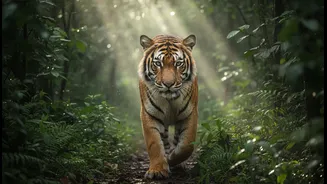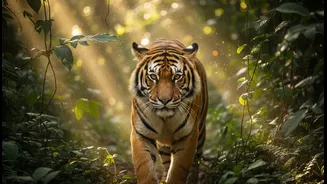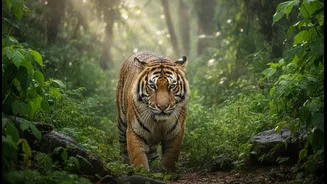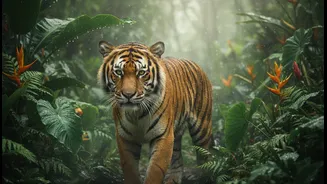






The Core vs. Buffer Explained
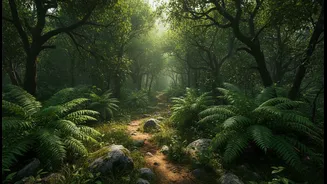
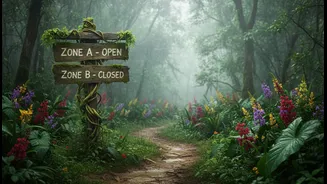
Every major national park or tiger reserve in India is divided into two main areas: the core and the buffer. The core zone is the heart of the park, a strictly protected area with minimal human interference, designed to be an inviolate habitat for wildlife.
This is traditionally where tourists have flocked for the highest chances of spotting iconic animals. Surrounding this is the buffer zone. This area acts as a protective cushion between the dense forest and human settlements. Regulated activities, including tourism, are permitted here, creating a space where conservation and community life can coexist.
Why Go for the Buffer Zone?
The main draw for a weekend warrior is accessibility. Core zone safari permits, especially for popular parks like Ranthambore or Corbett, are notoriously hard to get and often sell out months in advance. Buffer zones, however, usually have more entry gates, higher vehicle quotas, and sometimes even offer on-the-spot bookings. This makes a spontaneous weekend trip not just possible, but practical. Furthermore, many buffer zones remain open year-round, even during the monsoon when core areas are closed, offering a unique, lush green safari experience. Safaris here can also be more affordable, with lower entry fees in some parks.
A Quieter, More Relaxed Safari
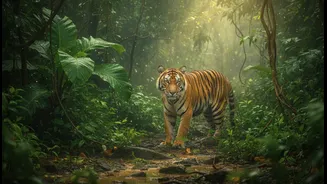
A significant advantage of the buffer zone is the relative peace and quiet. With fewer vehicles allowed compared to the frantic rush in core areas, the experience is often calmer and more immersive. When an animal is spotted, you're more likely to share the moment with just a handful of other jeeps, not a crowd. This lack of disturbance means animals are often more relaxed, potentially leading to longer and more natural sightings. Many safari veterans now prefer the tranquil atmosphere of the buffer zones, which allow for a deeper appreciation of the entire forest ecosystem.
Weekend-Ready Destinations
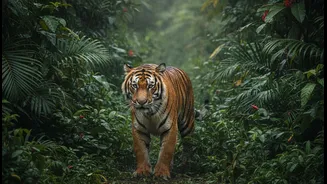
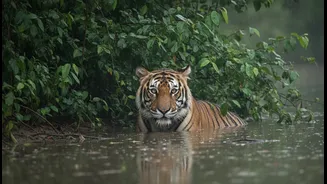
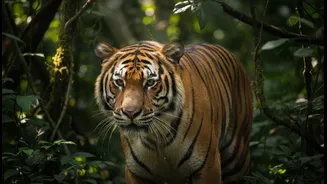
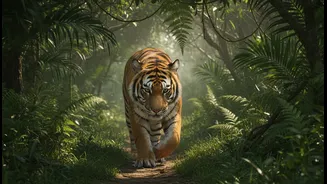
Several of India’s top wildlife destinations boast excellent buffer zones perfect for a short trip. In Rajasthan, Ranthambore’s buffer zones (Zones 6-10) have matured into prime wildlife habitats, with some now delivering tiger sightings comparable to the core areas. At Jim Corbett in Uttarakhand, buffer areas like Sitabani are open throughout the year and offer a rich diversity of flora and fauna. In Maharashtra, Tadoba-Andhari Tiger Reserve is a star performer, with its buffer zones now considered premier destinations in their own right, famous for consistent tiger and leopard sightings. These parks are well-connected and have numerous accommodation options just outside the gates, simplifying weekend logistics.
Beyond the Tiger
While the dream of spotting a tiger is always present, buffer zones excel at showcasing the full spectrum of jungle life. These areas often feature a mix of forest, grassland, and human settlements, creating a unique habitat. Leopards, which are adept at living on the periphery, are frequently sighted. Birdwatching is often exceptional, with a different range of species attracted to the varied landscape. You might also encounter sloth bears, wild boars, various deer species, and a rich tapestry of plant life. A buffer zone safari encourages you to appreciate the entire ecosystem, not just the apex predator.
Supporting Communities and Conservation
Choosing a buffer zone safari also has a positive impact. Tourism in these areas is often managed by local communities through Eco-Development Committees. This model provides villagers with sustainable livelihoods as guides, drivers, and hospitality staff, giving them a direct stake in conservation and reducing human-wildlife conflict. By visiting, you contribute to a system that empowers local people to become the primary protectors of the forest, ensuring its survival for future generations.