


From Discarded to Desirable
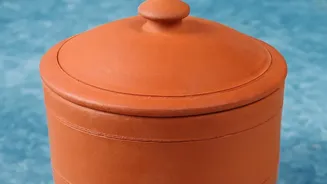
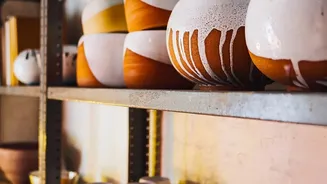
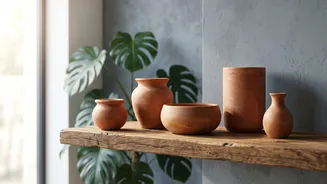
At the heart of this movement is upcycled clay pottery. This isn't just about buying new terracotta pots. It’s a creative and eco-conscious practice of transforming old, broken, or forgotten ceramic and clay items into new, functional art. Think of a chipped
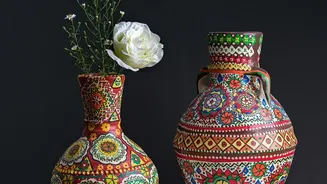
ceramic vase getting a new lease of life with a clever paint job, broken terracotta shards becoming a mosaic tabletop, or misshapen pottery from a kiln mistake being celebrated as a unique, sculptural planter. This trend taps into India's long-standing tradition of resourcefulness, where reusing materials is second nature, but gives it a modern, design-led spin. It’s the antithesis of 'fast furniture'—the cheap, disposable decor that ends up in landfills. Instead, it’s about seeing the potential in imperfection and giving an object a second story.
The Sustainable and Soulful Statement
For Gen Z, a generation that prioritises authenticity and environmental responsibility, upcycled pottery is more than just a decor choice—it’s a reflection of their values. In an increasingly digital world, the tangible, earthy texture of clay offers a grounding connection to the physical. This move towards 'conscious curation' means choosing fewer, better things that have a soul and a story. The trend aligns perfectly with the principles of a circular economy, where the goal is to eliminate waste by keeping materials in use. By choosing decor made from reclaimed or natural materials like clay, young urban dwellers are making a clear statement against mass consumption and in favour of a more mindful, eco-friendly lifestyle. It’s about creating a home that not only looks good but feels good ethically, too.
Small Spaces, Big Personality
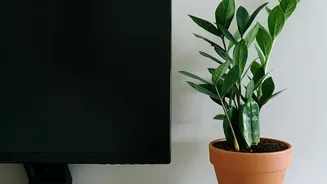
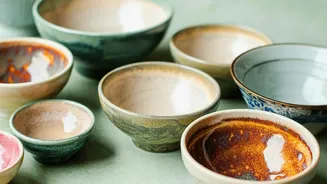
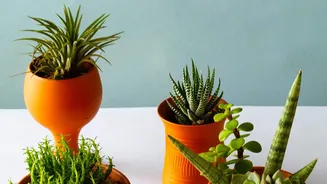
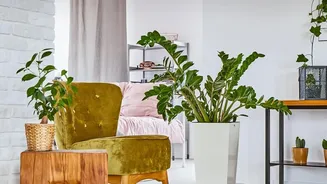
The constraints of a typical metro flat—often limited in square footage—make smart design choices essential. Gen Z is moving away from the stark, impersonal minimalism of previous years and embracing a more layered, personality-driven style often dubbed 'curated chaos'. Upcycled pottery fits perfectly into this ethos. A single, sculptural vase made from a repurposed vessel can serve as a powerful focal point on a small table. A collection of quirky, hand-painted planters on a windowsill can bring life and colour to a room without taking up precious floor space. These pieces are multi-functional; a beautifully restored pot can hold kitchen utensils, a vibrant planter can double as a bookend, and a set of upcycled bowls can become a catch-all for keys and trinkets. In small homes, every object needs to earn its place, and these items pack a punch in terms of both style and function.
A Hands-On Approach to Home Decor
This trend is not just about purchasing; it's also about participation. The rise of DIY culture, amplified by social media platforms, has empowered a generation to get their hands dirty. Countless online tutorials show how to transform a generic thrift store vase into an 'aged' earthenware-style pot with just a bit of paint and even some dirt. This hands-on approach allows for ultimate personalisation, turning the act of decorating into a creative outlet. It fosters a deeper connection to the objects in one's home. That planter in the corner isn't just a planter; it's a weekend project, a creative experiment, a piece of decor that is truly one-of-a-kind. This shift from passive consumer to active creator is redefining what it means to make a house a home, filling it with items that are not just owned, but imbued with personal meaning.