






Why Your Flight is Delayed (or Cancelled)
While modern aircraft are built to fly in rain, it's the associated conditions that cause chaos for air travel. Heavy rain severely reduces visibility, which is critical during takeoff and landing. Air traffic controllers must increase the spacing between
aircraft for safety, leading to a domino effect of delays. Furthermore, standing water on runways poses a serious risk of hydroplaning, where tyres lose traction, affecting braking and directional control. Strong winds and thunderstorms that often accompany heavy rain are major factors. Aircraft cannot take off or land during a storm, and lightning can bring ground operations, like refuelling and baggage handling, to a complete halt. The combination of these factors can lead to widespread cancellations and diversions.
The Perils of Road Travel
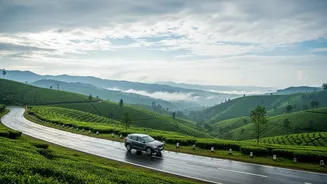
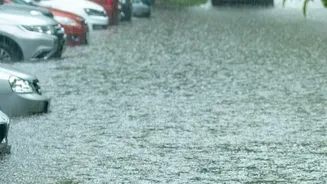
Indian roads become particularly treacherous during the monsoon. Heavy rain leads to waterlogging, which conceals dangerous potholes and can erode the road's foundation. The risk of hydroplaning, where a layer of water causes a vehicle's tyres to lose contact with the road, is a major concern at higher speeds. In hilly and ghat sections, the danger multiplies with the increased threat of landslides and rockfalls, which can block roads for hours or even days. Reduced visibility from downpours and fog makes it difficult to spot hazards, and the slick, oily film that forms on roads during the first rains of the season makes surfaces dangerously slippery. According to government data, rainy weather is a significant factor in road accidents. For your safety, it's crucial to reduce speed, increase following distance, and avoid driving through flooded areas.
Are Trains a Safer Bet?
Trains are often considered a more reliable option during monsoons, but they are not immune to disruptions. Severe flooding can cause significant problems for the railway network. Floodwaters can wash away the ballast—the bed of stones supporting the tracks—making the line unstable and unsafe. Intricate signalling and power equipment are highly vulnerable to water damage, which can cause failures and short circuits, bringing services to a halt. Even if the tracks aren't completely submerged, trains may have to operate at much slower speeds if water levels are high, leading to cascading delays across the network. Debris on the tracks and the potential for landslips in certain terrains also pose a threat to rail operations.
Understanding Weather Alerts
The India Meteorological Department (IMD) uses a colour-coded system to warn of impending severe weather, which is crucial for travel planning. A 'Green' alert means all is well, while 'Yellow' advises you to be aware, as bad weather is possible. An 'Orange' alert is a call to be prepared; it indicates extremely bad weather is likely, with potential for travel disruptions like road closures and power cuts. The most severe is a 'Red' alert, which means 'Take Action'. This is issued when extreme weather is expected to pose a significant risk to life and cause widespread disruption. Paying attention to these alerts can help you make an informed decision about whether to proceed with, delay, or cancel your travel plans.
Tips for Smarter, Safer Travel
Preparation is your best defence against monsoon travel woes. Before you leave, check the latest weather forecasts and any alerts issued by the IMD. Always check with your airline or railway operator for the status of your booking before heading to the airport or station. When driving, ensure your vehicle is monsoon-ready: check your tyres, brakes, and windscreen wipers. Pack an emergency kit with essentials. If possible, book flexible tickets that allow for changes. On the road, drive slowly, use your headlights, and never attempt to drive through flooded areas—it can be deeper and more dangerous than it appears. If conditions seem too dangerous, it is always safer to postpone your journey. Having a backup plan and staying informed will help you navigate the challenges of travelling during heavy rain.