




Why a Picture is Worth More Than Your Deposit
In the world of online rentals, photos are more than just a preview; they are a critical part of your rental agreement. Whether you're borrowing a high-end camera for a vacation or renting an air conditioner for the summer, the images provided are your primary
tool for inspection. What you see (or don't see) can mean the difference between a great experience and a major headache. Hidden damages, non-functional parts, or general uncleanliness are often conveniently left out of the frame. Relying solely on a reassuring description is a gamble. A thorough photo-check protects your wallet by helping you avoid items that are not as advertised, saving you from paying for pre-existing damage or simply renting something that doesn't work.
How to Become a Digital Detective
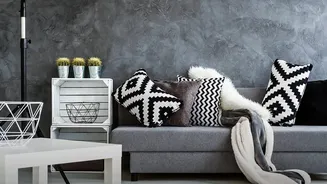
Looking at photos isn't enough; you need to know what you're looking for. Treat it like an investigation. First, zoom in. Don't just glance at the full image. Look for small details: scratches on a tabletop, dents in a refrigerator door, or fraying on the edges of a rug. For electronics, check the condition of cables, ports, and buttons. For furniture, pay close attention to joints, seams, and legs. Look for any signs of wobbly construction or previous, shoddy repairs. If you're looking at upholstered items like sofas, search for any discolouration, stains, or signs of sagging in the cushions. These are often indicators of deeper issues like moisture damage or a broken frame.
Spotting the Photographic Red Flags
Some rental listings are deceptive by design. Be wary of listings that only provide one or two photos. A trustworthy owner will provide multiple images from various angles. Other red flags include blurry, dark, or distant shots that hide detail. If the seller only shows the 'good side' of an appliance, ask to see the others. A photo that looks too perfect, like a stock image from a manufacturer's website, could also be a sign of a scam. The goal of the photos should be to give you a clear and honest representation of the item's current state, not to sell you a fantasy. If the photos seem designed to hide more than they show, it's best to simply walk away.
Go Beyond the Photo: Ask the Right Questions
Once you've analysed the photos, your work isn't done. The pictures are a starting point for a conversation. Don't be shy about asking for more information. Request a short video of the item in operation, especially for electronics like washing machines or televisions. Ask directly: "Are there any scratches, damages, or issues that are not visible in the photos?" Inquire about the item's history, such as its age and how it was used. For furniture, it's wise to ask if it comes from a smoke-free or pet-free home, as odours can be impossible to remove. A transparent and honest seller will have no problem answering these questions.
Your Final Step: Document Everything on Arrival
Even after doing all your homework, the most crucial step happens when the item arrives. Before you even use it, take your own set of photos and videos. This creates a baseline of the item's condition the moment it entered your possession. Document everything, from its general state to any specific scratches or marks you noticed in the original photos. This move-in inspection is your proof against any potential disputes over damages when it's time to return the item. Emailing these timestamped photos to yourself or the rental company creates a record that can protect your security deposit and save you from unfair charges down the line.