






The Allure of a Ziro Workation
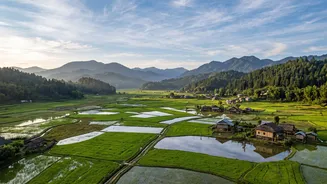
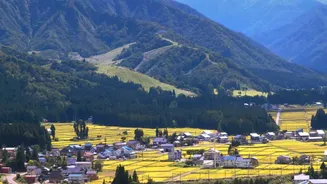
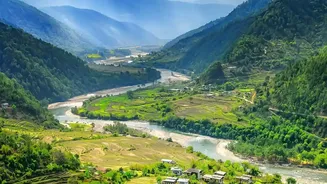
Nestled in the Eastern Himalayas of Arunachal Pradesh, Ziro Valley is more than just a picturesque destination; it's a cultural landscape. Home to the Apatani tribe, the valley is known for its sustainable agricultural practices, particularly its unique
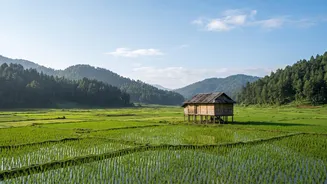
paddy-cum-pisciculture system, which has placed it on the tentative list for UNESCO World Heritage Site status. The landscape is a soothing canvas of green and gold, with misty mountains forming a stunning backdrop. For the remote worker, this translates to an environment that inspires creativity and focus, far removed from the distractions of city life. The gentle pace of life, coupled with the profound cultural richness of the Apatani villages, offers a rare opportunity to decompress and reconnect with a more organic way of living while staying professionally connected.
Connectivity: The Digital Nomad's Lifeline
The primary concern for any digital nomad is internet reliability. While Ziro was once considered a digital dead zone, the situation has improved significantly. Local residents and homestay owners confirm that decent internet connectivity is now available in most parts of the main town and surrounding villages. While you might not find city-level gigabit speeds, connections are generally stable enough for video calls, emails, and other standard work tasks. Major mobile carriers have a presence, and many homestays and cafes now offer Wi-Fi. It is always wise to have a mobile hotspot as a backup, but the fear of being completely cut off is largely a thing of the past, making a long-term workation a feasible reality.
Finding Your Home in the Hills
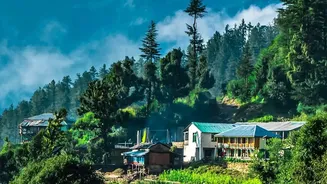
Ziro offers a range of accommodation options, but for a truly immersive experience, homestays are the way to go. Staying with a local Apatani family provides an unparalleled glimpse into their culture and traditions. These homestays often provide home-cooked meals, offering an authentic taste of the local cuisine. For those planning a longer stay, many furnished rentals and cottages are available, some specifically catering to remote workers with amenities like kitchens and Wi-Fi. Booking platforms like Airbnb list several options, from single rooms to entire apartments, allowing you to find a space that suits your budget and work requirements. During the Ziro Festival of Music, booking well in advance is essential as the valley sees a huge influx of visitors.
The Ziro Festival of Music and Beyond
The crown jewel of Ziro's cultural calendar is the Ziro Festival of Music, an outdoor event that attracts independent artists and music lovers from across the globe. The 2026 edition is scheduled from September 24th to 27th, set against the stunning backdrop of the valley's rice fields. Attending the festival is a perfect way to unwind after work, soaking in eclectic sounds and a vibrant atmosphere. Beyond the festival, Ziro is a paradise for nature lovers. You can spend your weekends trekking to Dolo Mando for panoramic views, exploring the unique Apatani villages like Hong and Hija, or simply cycling through the serene countryside. The Talley Valley Wildlife Sanctuary also offers more challenging treks for the adventurous.
Logistics: Permits and Travel
Reaching Ziro requires some planning. The most common route involves flying or taking a train to Guwahati in Assam, followed by an overnight train to Naharlagun, the nearest railway station to Ziro. From Naharlagun, it’s a scenic 3-4 hour taxi ride up to the valley. Alternatively, you can fly to airports in Lilabari or the recently opened Hollongi (Itanagar) for a shorter road journey. Crucially, all non-native Indian citizens must obtain an Inner Line Permit (ILP) to enter Arunachal Pradesh. This can be easily applied for online through the official state portal, and it's a mandatory document that will be checked at entry points into the state.