

The Burning Question of EV Safety
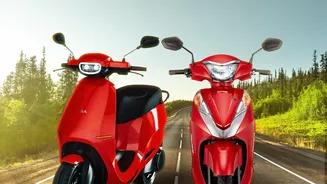
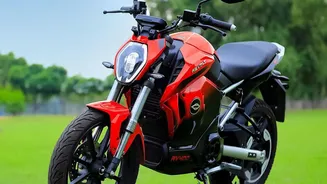
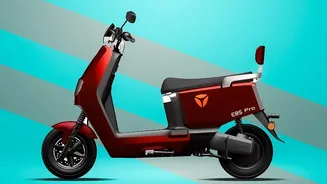
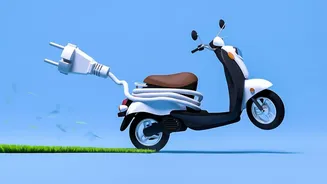
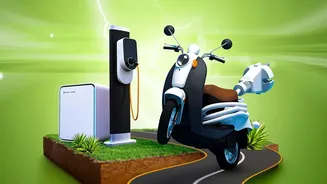
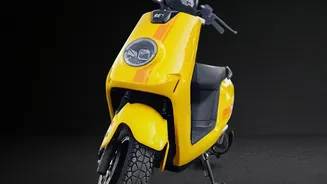
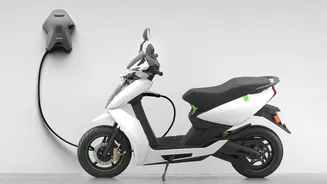
The rapid adoption of electric scooters and motorcycles is a major win for India's green ambitions. However, this growth has been shadowed by numerous incidents of battery fires, raising serious safety questions for consumers. Most of these incidents are
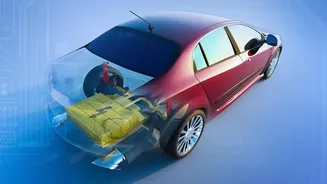
linked to the current generation of lithium-ion batteries. These batteries, while efficient, contain a flammable liquid electrolyte. Under stress from overcharging, physical damage, manufacturing defects, or even India's high ambient temperatures, this liquid can lead to a dangerous condition called 'thermal runaway'—a chain reaction that can result in a fire or explosion. This risk is amplified by the use of low-quality components or uncertified, mismatched chargers, a common issue in the cost-sensitive two-wheeler market.
Enter the Solid-State Solution
Solid-state batteries represent the next generation of energy storage, and their core innovation is simple but profound: they replace the flammable liquid electrolyte with a solid material. This single change fundamentally redesigns the battery for safety. By eliminating the flammable liquid, the primary fuel for a battery fire is removed, drastically reducing the risk of thermal runaway. This makes the battery inherently more stable and robust, even when subjected to damage or high temperatures—a critical advantage for vehicles operating on India's diverse and often challenging road conditions. Think of it as removing the most volatile ingredient from the recipe, making the entire system more predictable and secure.
More Than Just a Safety Upgrade
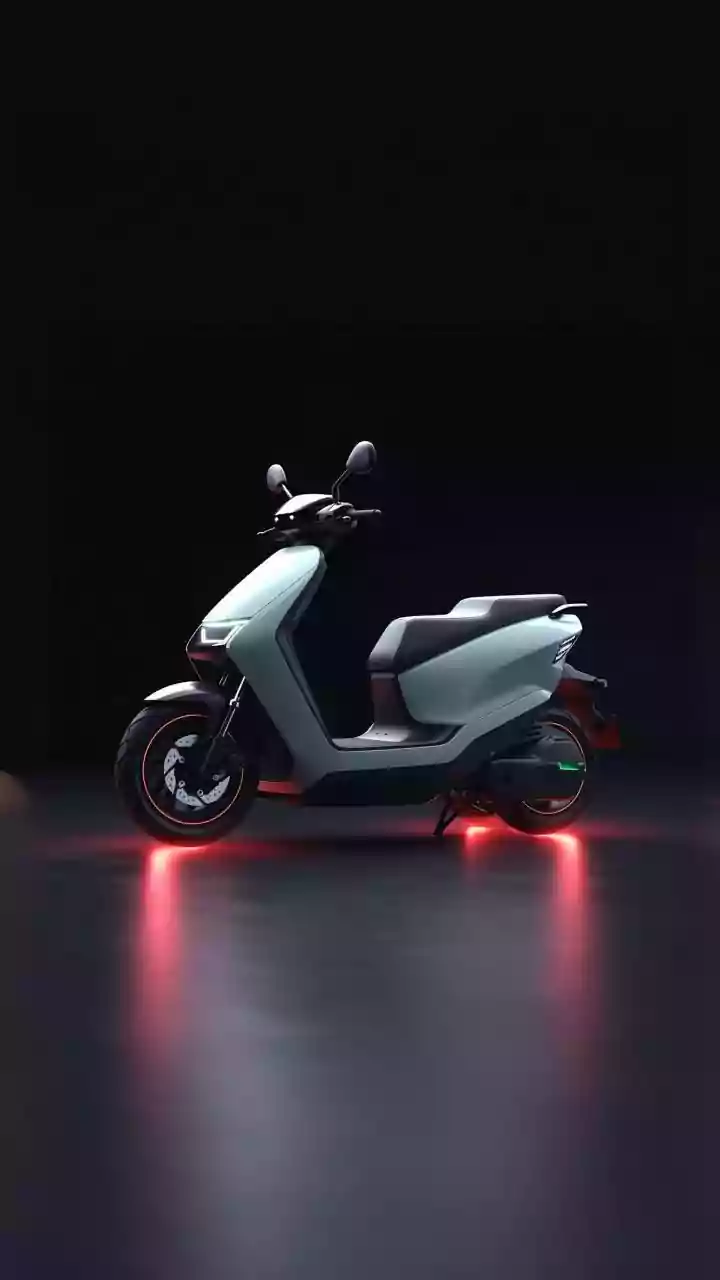
While enhanced safety is the most significant benefit for the Indian market, solid-state technology brings other game-changing advantages. These batteries can achieve much higher energy density, meaning they can store more power in the same amount of space. For a two-wheeler rider, this translates directly into longer range—potentially doubling the distance on a single charge and tackling range anxiety head-on. Furthermore, solid-state technology promises significantly faster charging times and a longer overall lifespan compared to their lithium-ion counterparts. The construction is also simpler and lighter, which can improve the vehicle's handling and efficiency. This combination of safety, range, and longevity makes a compelling case for manufacturers and consumers alike.
The Road to Adoption in India
So, when can Indian riders expect to see this technology in their local showrooms? The transition will be gradual. Globally, major players like Toyota are targeting initial production runs for cars around 2027-2028. For two-wheelers, which often adopt new technologies faster, the first models featuring solid-state batteries are just beginning to appear in 2026. In India, the journey has begun with significant investment in research and development. Companies like Ola Electric have announced plans for solid-state battery R&D and manufacturing. Other Indian startups and conglomerates are also entering the space, aiming to build indigenous capabilities. However, mass production faces hurdles, including establishing new manufacturing ecosystems and supply chains. A realistic timeline suggests that premium imported two-wheelers with solid-state tech could arrive in the early 2030s, with localised mass production following in the mid-2030s.