






The Minimalist Art of Dance
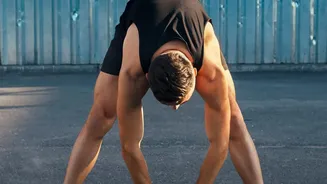
One of the greatest appeals of dancing is its accessibility. At its core, dance requires little more than your own body and a bit of space. For many popular styles like hip-hop, contemporary, or salsa, you can begin your journey wearing comfortable athletic
clothes and a pair of trainers. However, as you delve deeper into specific disciplines, some specialized gear becomes essential for both performance and safety. For a beginner ballet class, this typically means a leotard, tights, and proper ballet slippers, which are crucial for foot articulation. Jazz dancers will need specific jazz shoes, while tap requires its own unique footwear with metal plates. The common thread is that the initial barrier to entry is remarkably low. You can start learning routines from online videos in your living room with almost no initial investment.
The Gear-Centric World of Rowing
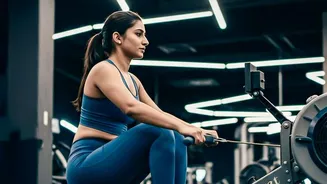
Rowing, whether on the water or indoors, is inherently equipment-focused. If you join a rowing club to train on the water, the club will provide the most expensive items: the boat (or shell) and oars. Your personal equipment list would then be quite simple, focusing on tight-fitting athletic wear (to avoid getting caught in the sliding seat), a cap, and a non-leaking water bottle. However, most people access rowing through an indoor rowing machine, often called an ergometer. This is where the main equipment decision lies. An ergometer is a significant piece of machinery, and buying one for your home is the most common path for dedicated solo training. This single piece of equipment provides a complete full-body workout, but it represents a substantial initial investment and requires dedicated space.
A Tale of Two Budgets
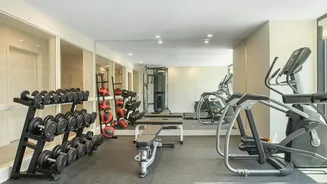
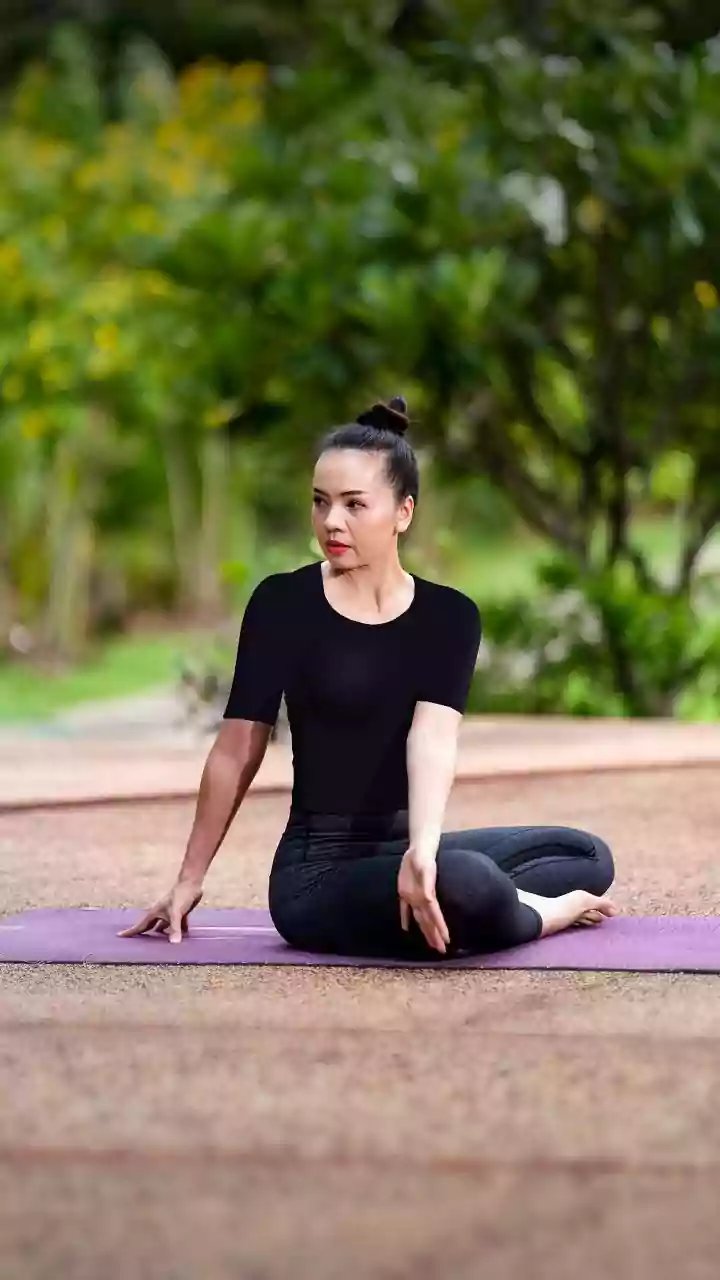
The financial outlay for dancing and rowing differs significantly. To start dancing, your initial cost could be as low as the price of a good pair of shoes, ranging from INR 2,000 to INR 7,000. Even adding in class fees or online subscriptions, the entry point is relatively modest. Accessory costs for items like resistance bands, foam rollers, or a yoga mat are also minimal. Rowing is a different story. A quality home rowing machine is a major purchase. Budget-friendly hydraulic models can be found, but they often lack the durability and smooth feel of more advanced types. Mid-range magnetic and air rowers, like the industry-standard Concept2, cost around $900-$1000 (approx. INR 75,000-83,000), while high-end water rowers or machines with interactive screens can exceed $2,000. While a gym membership can provide access to a rower for a monthly fee, buying one is a long-term investment that eventually becomes more cost-effective if used consistently.
The All-Important Space Question
Your available space could be the ultimate deciding factor. Dancing can be practiced in a relatively small, clear area. A 2x2 meter space is often enough for basic practice at home. You can push back a coffee table and have an adequate 'studio' in your living room. A rowing machine, by contrast, has a fixed, large footprint. A standard machine is about 8 feet long and 2 feet wide, and you need additional clearance for movement, bringing the total recommended operating space to roughly 9 feet by 4 feet. While many models can be folded or stored upright, they still occupy a significant amount of space even when not in use, and you must have the room for them to be fully extended during a workout.
Indoor Rowing Machines Explained
If you opt for indoor rowing, you’ll encounter four main types of resistance. Air rowers, the most common in gyms, use a flywheel and offer resistance that increases as you pull harder. They are effective but can be noisy. Magnetic rowers are much quieter and offer adjustable resistance, making them great for apartments, though some users find the feel less natural. Water rowers use paddles in a tank of water to create a smooth, realistic rowing sensation accompanied by a soothing 'whooshing' sound. Finally, hydraulic rowers are typically the most compact and affordable but may offer a less consistent or powerful workout. The best choice depends on your budget, space, and noise tolerance.