

The Appeal of Going Shoeless
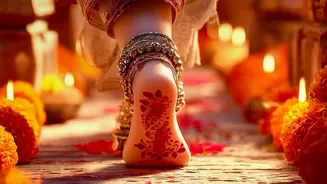
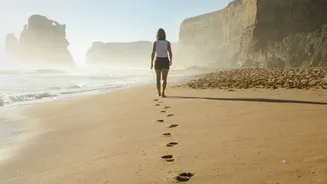
Before we dive into the risks, it's worth understanding the 'why'. Proponents of barefoot hiking and walking often speak of sensory feedback, improved balance, and a feeling of being grounded. For many, it transforms a simple walk into a mindful, tactile
experience. The argument is that our feet are naturally designed to walk on varied terrain, and modern shoes have disconnected us from that. While there can be benefits, this romantic notion often overlooks the realities of modern trails, which are far from pristine, natural environments. Being aware of the risks isn't about discouraging the practice, but about ensuring it's done with open eyes.
Man-Made Hazards on the Trail
The most jarring and dangerous sharp objects on any trail are often those that don't belong there. Broken glass, rusty nails, discarded bits of metal, and sharp plastics are unfortunately common on many hiking paths, especially those near urban areas. These items pose a significant risk because they can cause deep puncture wounds or wide lacerations. A piece of glass hidden under a layer of leaves or loose soil can easily slice open the sole of a foot. Unlike natural objects, man-made debris is often dirtier and more likely to introduce harmful bacteria into a wound, creating a direct path for infection.
When Nature Itself is Sharp
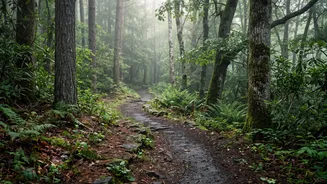
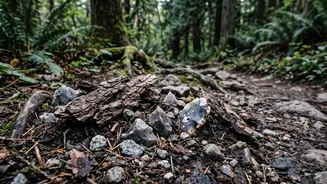
Even on the most remote and seemingly untouched trails, natural hazards are everywhere. Sharp-edged rocks like flint or slate can be just as dangerous as broken glass. Thorns from bushes, sharp twigs, splinters of wood, and even spiky seed pods can easily pierce the skin. These natural objects might seem less threatening than a rusty nail, but they can still cause painful injuries. A thorn that breaks off under the skin can be difficult to remove and can lead to inflammation and infection if not properly addressed. It’s a mistake to assume a 'natural' trail is inherently safe for bare feet; nature has plenty of its own defenses and sharp edges.
The Hidden Danger of Puncture Wounds
The immediate pain of stepping on something sharp is only the beginning. The real, and often underestimated, danger lies in the puncture wound itself. Unlike a clean cut, a puncture can drive dirt, bacteria, and other contaminants deep into the foot's tissue. This creates an ideal environment for serious infections to develop, as these wounds are often difficult to clean properly. One of the most severe risks associated with puncture wounds from objects found in soil or contaminated with rust is tetanus. Tetanus is a serious bacterial infection that affects the nervous system. Even a small puncture can be an entry point for the Clostridium tetani bacteria, which is commonly found in soil and dust.
Infection Risks and Tetanus
Any break in the skin from a sharp object is a potential entry for bacterial or fungal infections, such as athlete's foot. However, the risk of tetanus is particularly concerning for barefoot hikers. If your last tetanus booster shot was more than 10 years ago, you are at a higher risk. Medical experts recommend receiving a booster if you sustain a deep or dirty wound and your vaccination status isn't current. It is a preventable disease, but one that requires vigilance. Symptoms of infection, whether bacterial or from tetanus, may not appear immediately, but failing to properly clean a wound and seek medical advice when necessary can lead to severe complications.
How to Hike Barefoot More Safely
If you're still committed to the barefoot experience, there are ways to mitigate the risks. Start in a familiar and controlled environment, like your own backyard, before venturing onto public trails. Always carry a well-stocked first-aid kit with antiseptic wipes, bandages, and tweezers. Be extremely vigilant about where you step, scanning the path ahead constantly for hazards. It's also wise to wear shoes or sandals to the trailhead and only remove them in areas you've deemed safe. For a compromise, consider minimalist 'barefoot' shoes, which offer a layer of protection from punctures while still allowing for a more natural foot movement and feel of the ground.