


The Golden Window: October and November
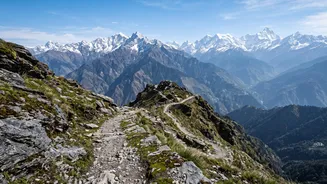
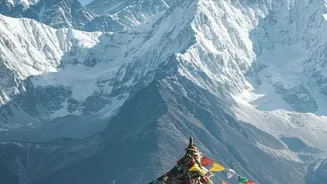
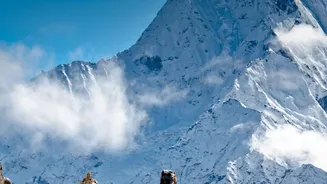
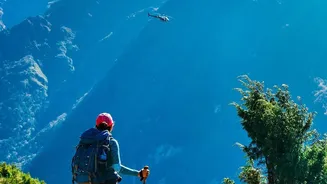
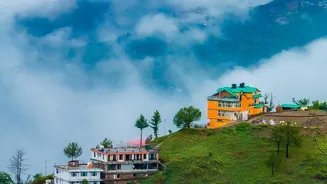
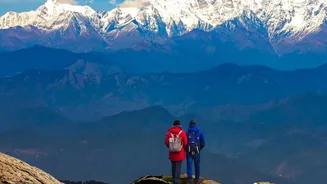
Often hailed as the best time for trekking, the post-monsoon autumn season offers a magical window for visitors. After months of rain, the monsoon recedes, washing the dust and haze from the atmosphere. The result is exceptionally clear skies, offering
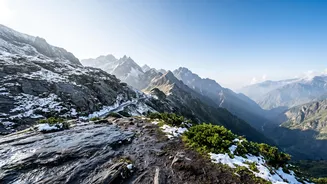
sharp, panoramic views of the snow-capped giants. The trails are generally dry and stable, and the landscape, still lush from the rains, begins to shift into the golden and honey tones of autumn. This period strikes a perfect balance between comfortable daytime temperatures and the stunning visibility that makes Himalayan journeys so memorable.
Clear Days and Cold Nights
The defining characteristic of post-monsoon weather is the significant difference between daytime and nighttime temperatures. Days are often bright, sunny, and pleasantly cool, ideal for walking and sightseeing. In mid-altitude regions like those in Himachal Pradesh and Uttarakhand (around 1,500-2,500 metres), daytime temperatures can hover between a comfortable 18°C to 25°C in October, dropping as the month progresses. However, as soon as the sun sets, the temperature plummets. Nights can be cold, often dropping towards freezing, especially at altitudes above 3,000 metres. By November, you can expect nighttime temperatures to regularly fall below 0°C in higher regions.
Rain, Snow, and Sunshine
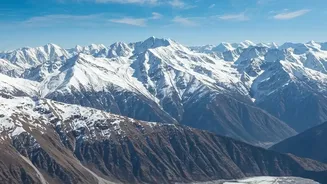
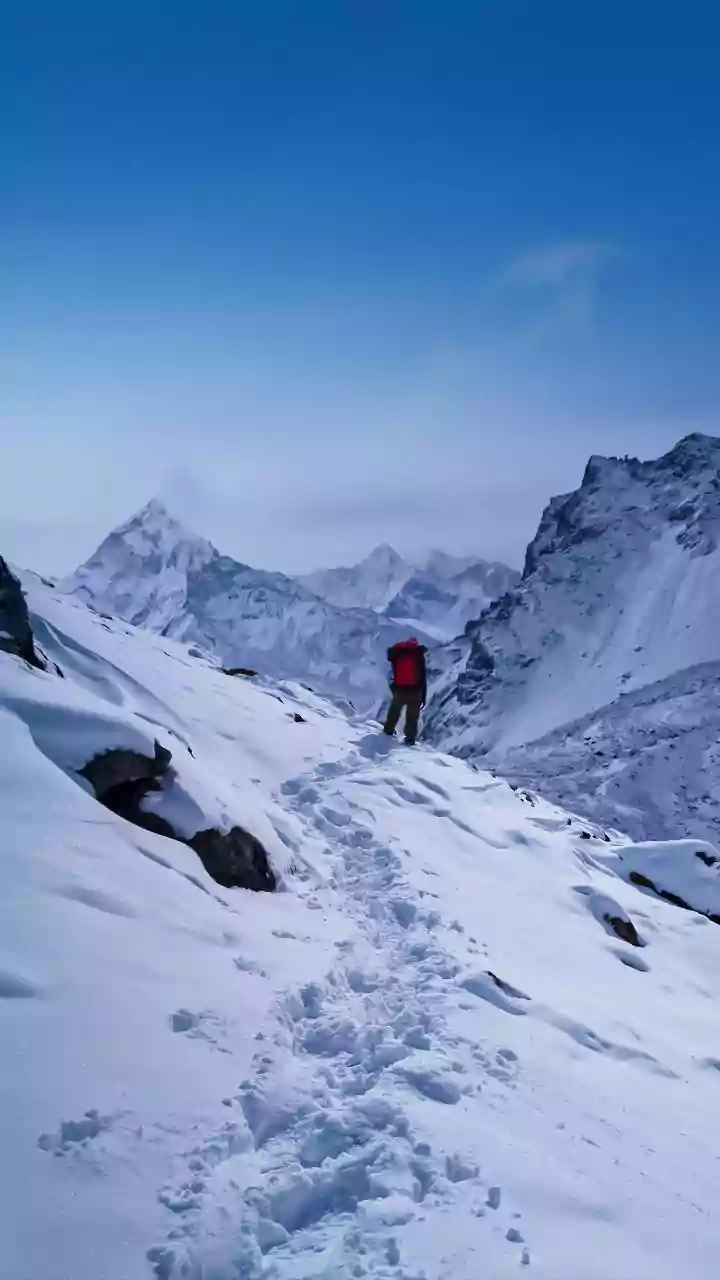
While this season is known for being dry and stable, it is not entirely without precipitation. Short, localised afternoon showers can still occur, though they are far less frequent and intense than during the monsoon. The bigger consideration, especially from mid-November onwards, is the possibility of early snowfall. This is particularly true at higher elevations and on mountain passes. While towns like Manali or Shimla may remain snow-free, higher treks in areas like Lahaul or the upper reaches of Uttarakhand could experience their first winter snows. These snowfalls are often light initially but serve as a reminder that winter is approaching.
Altitude is Everything
It is impossible to discuss Himalayan weather without emphasizing the role of altitude. Conditions can change dramatically as you ascend. A valley might be basking in warm sunshine while a high pass just a few hours' trek away is battling freezing winds. As a general rule, you can expect the temperature to drop by about 6.5°C for every 1,000 metres you climb. This means that even on the same trek, conditions can vary from subtropical in the foothills to alpine at higher altitudes. Always factor in the maximum elevation of your trip when planning, as weather at 4,000 metres is a world away from the conditions at 2,000 metres.
Packing for the Elements
The key to comfort is layering. Instead of one heavy winter coat, pack multiple layers that you can add or remove as conditions change throughout the day. Your packing list should include a moisture-wicking base layer (thermals), a warm mid-layer like a fleece jacket, and a windproof and waterproof outer shell. A padded or down jacket is essential for the cold evenings and early mornings. Don't forget a warm hat, gloves, and several pairs of wool-blend socks to protect your extremities. Sturdy, broken-in hiking boots with good ankle support are non-negotiable. Sun protection, including a wide-brimmed hat, sunglasses, and sunscreen, is also crucial, as the sun at high altitudes can be intense despite the cool temperatures.