




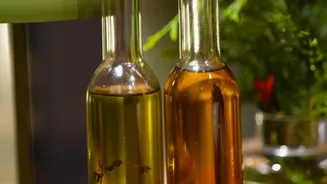
From Trash to Treasure
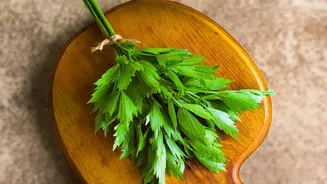
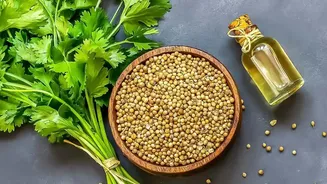
We all do it. After plucking the fragrant leaves from bunches of coriander and mint, the sturdy stems often end up in the compost or bin. But what if those leftovers held the secret to a new pantry staple? The stems of these herbs are bursting with concentrated
flavour, often more potent than the leaves themselves. By infusing them into oil, you not only salvage what would have been food waste but also create a custom cooking ingredient that adds a professional touch to home-cooked meals. This simple act of culinary alchemy is a win for your wallet, your palate, and the planet.
Choosing Your Ingredients
The beauty of this process lies in its simplicity. You only need three things: herb stems, oil, and a bit of heat. For the herbs, gather a good handful of fresh coriander and mint stems. It's crucial that you wash them thoroughly and, most importantly, pat them completely dry. Any moisture can encourage bacterial growth, so take the time to ensure they are free of water droplets. As for the oil, a neutral-flavoured oil like grapeseed, sunflower, or a light olive oil is your best bet. These oils won't compete with the fresh, zesty notes of the herbs, allowing their flavours to shine through.
The Hot Infusion Method
This method is fast, effective, and the safest way to infuse oils at home, as the heat helps inhibit bacteria. Start by gently heating your chosen oil in a saucepan over low-to-medium heat. You want the oil to become hot, but not smoking—around 80°C is ideal. If you don't have a thermometer, look for the oil to shimmer slightly. Once hot, turn off the heat and add your clean, dry coriander and mint stems. Let the stems steep in the hot oil for at least 10 minutes, or longer for a more intense flavour. The heat will gently cook the herbs and draw out their essential oils. For an even greener, more vibrant oil, you can briefly blend the herbs and oil together before straining. This breaks down the plant matter and releases more colour and flavour.
Strain and Store with Care
Once your oil has steeped and cooled, it's time to strain it. Pour the mixture through a fine-mesh sieve to remove the larger stem pieces. For an exceptionally clear oil, line the sieve with a coffee filter or a few layers of cheesecloth. This will catch even the smallest particles, resulting in a pure, beautifully clear infusion. The next step is critical for safety. Pour the finished oil into a sterilised, airtight glass bottle or jar. You can sterilise your container by boiling it in water for ten minutes and allowing it to air dry completely. Because you've used fresh herbs, this oil must be stored in the refrigerator and should be used within a week to prevent the risk of bacterial growth, including Clostridium botulinum, which can cause botulism. Label your jar with the date so you can keep track.
Putting Your Herb Oil to Use
Now for the fun part: using your homemade creation. This fragrant oil is incredibly versatile. Drizzle it over roasted vegetables, grilled chicken, or fish to add a fresh, herbaceous finish. Whisk it into a vinaigrette with lemon juice and a touch of mustard for a vibrant salad dressing. Use it as a base for a marinade, or simply serve it in a small bowl with crusty bread for dipping. It's also fantastic for adding a final flourish to soups, dals, and pasta dishes, lending a burst of brightness just before serving. Experiment freely—anywhere you’d use a finishing oil is a great place to try your new coriander and mint infusion.