







Sabudana Khichdi: The Quick Energy Provider
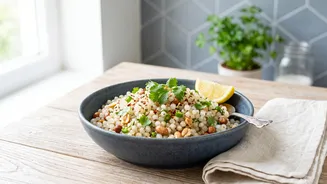
Sabudana, or tapioca pearls, is a fasting staple for a reason. It is almost entirely composed of carbohydrates, which the body can quickly convert into glucose for an instant energy boost. This makes it ideal for combating the fatigue that can accompany
fasting. However, since it is a simple starch, it can also lead to an energy crash if not prepared correctly. To make your Sabudana Khichdi a source of sustained fuel, the preparation is key. Soaking the pearls properly is the first step to ensure they are light and non-sticky. The magic happens when you combine sabudana with other ingredients. Adding roasted and coarsely ground peanuts not only provides a delightful crunch but also introduces protein and healthy fats. This combination helps to slow down the digestion of carbohydrates, leading to a more gradual release of energy and preventing sharp blood sugar spikes. Cooking it in ghee and adding vegetables like potatoes or carrots further balances the dish.
Kuttu Puris: The Nutrient-Dense Powerhouse
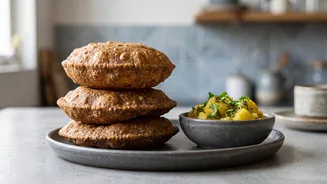
Kuttu ka atta, or buckwheat flour, is another Navratri essential. Despite its name, buckwheat is not a type of wheat; it's a naturally gluten-free seed packed with nutrients. It is a fantastic source of high-quality plant-based protein, containing all essential amino acids. Furthermore, it is rich in dietary fibre, which promotes digestive health and helps you feel full for longer, preventing hunger pangs. Kuttu also boasts a low glycemic index, meaning it releases sugar into the bloodstream slowly, providing a steady flow of energy rather than a quick burst. While Kuttu Puris are a delicious tradition, deep-frying can add unnecessary fat and calories. For a healthier approach, consider using an air fryer or baking the puris. When making the dough, adding boiled and mashed potato acts as a binding agent, since kuttu is gluten-free. This ensures the puris are soft on the inside and crispy on the outside. Paired with a simple potato curry or yogurt, these puris become a wholesome and energizing meal.
Kheer: The Comforting and Sweet Sustenance
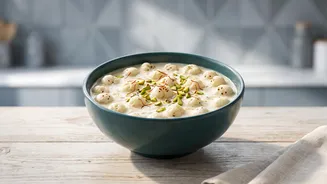
No festival feels complete without a sweet dish, and Navratri is no exception. Kheer, in its various fasting-friendly forms like Sabudana Kheer, Makhana Kheer, or Samak Kheer, provides comfort and a dose of sweetness. While traditional recipes often use a lot of sugar, which can lead to energy slumps, a few smart swaps can turn this dessert into a source of sustained energy. Instead of refined sugar, consider using natural sweeteners like jaggery or dates. To make the kheer more balanced and filling, incorporate plenty of nuts like almonds, cashews, and pistachios. These additions provide healthy fats, protein, and fibre. Using full-fat milk can also increase satiety, keeping you feeling full for longer. Makhana (fox nuts) kheer is an excellent option as makhanas are low in calories but rich in protein and other nutrients, making the dessert both light and satisfying. A well-made kheer can be the perfect way to cap your meal, providing a final energy boost that lasts.
A Balanced Approach for All-Day Energy
While these dishes are excellent sources of energy, the key to staying active during Navratri is a balanced approach. It’s important to eat smaller, more frequent meals rather than one or two large ones to keep your metabolism and energy levels stable. Hydration is equally crucial; drink plenty of water, coconut water, or buttermilk throughout the day to avoid dehydration-induced fatigue. Also, pay attention to cooking methods. Roasting, baking, or grilling is always a better option than deep-frying to keep meals light and avoid post-meal sluggishness. Ultimately, listen to your body. Fasting is a personal journey, and ensuring you feel healthy and vibrant is just as important as adhering to the rituals.