



The Classic Tale of Star Birth
The basic story of star formation has been known for some time. Across the cosmos, there are vast, cold, and seemingly empty clouds of gas and dust known as molecular clouds. But within these serene-looking nurseries, gravity is secretly at work. It pulls
the densest clumps of gas and dust together, causing them to collapse inward. As the material falls in on itself, the core of this collapsing clump gets hotter and more pressurised, forming a 'protostar' – the hot, dense embryo of a future star. This baby star is still gathering mass, feeding on a rotating disc of gas and dust that surrounds it. The theory is simple and elegant: gravity squeezes, things heat up, and eventually, a star ignites.
A Complication in the Cosmic Nursery
However, astronomers have long been puzzled by a key part of this story. For a protostar to become a stable, shining star, it must stop gathering mass. More importantly, it has to clear away the enormous cocoon of gas and dust it was born from. If it doesn't, the material will continue to fall onto the star, or the dense shroud will forever obscure its light. How exactly do stars manage to break free from their birth clouds? This process, known as stellar feedback, has been difficult to observe directly, leaving a significant gap in our understanding. Scientists knew that powerful forces must be at play, but seeing them in action was a challenge.
Webb Peels Back the Curtain
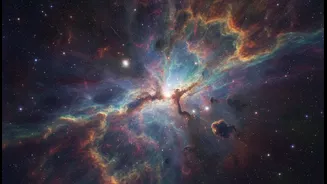
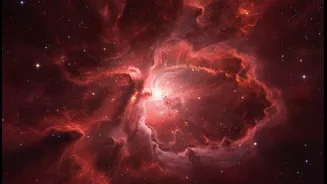
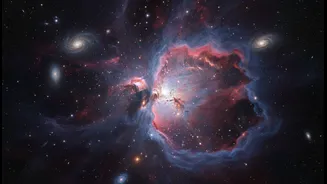
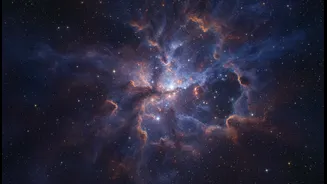
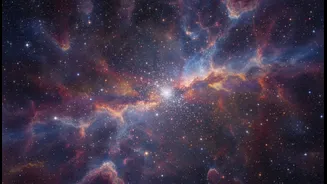
Enter the James Webb Space Telescope (JWST). With its incredible ability to see in infrared light, Webb can pierce through the dense dust clouds that are opaque to other telescopes like Hubble. In a series of breathtaking new observations of stellar nurseries, Webb has provided the clearest views yet of this violent and crucial stage of star birth. By looking at objects like Herbig-Haro 211 and regions within the Serpens Nebula, astronomers can now see the dramatic processes that were once hidden. They are not just seeing baby stars; they are witnessing them actively reshaping their environments with surprising force.
A Story of Violent Jets
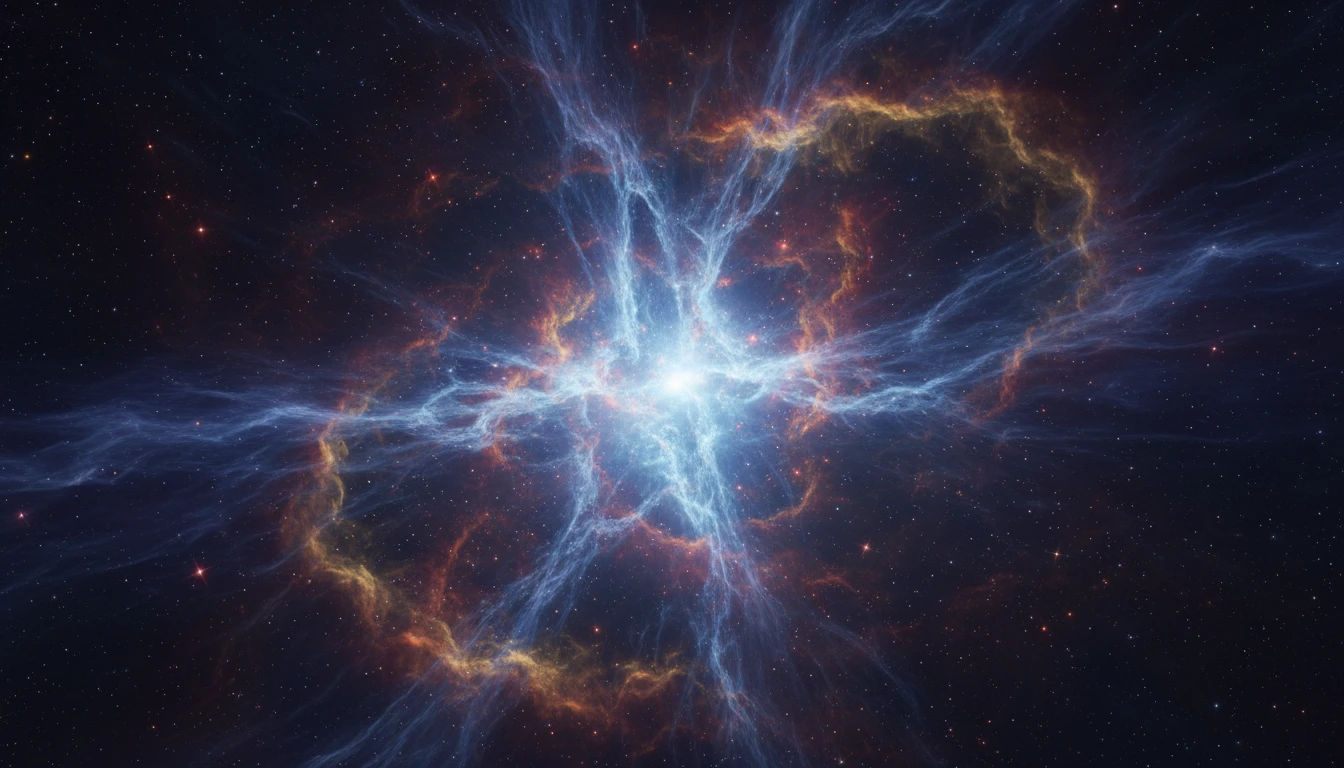
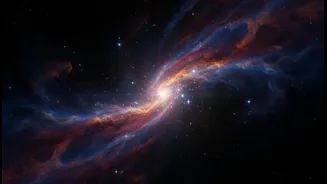
The new images reveal that young stars are far from passive. They blast out powerful, twin jets of gas from their poles at supersonic speeds. These jets are not just a minor side effect; they are a primary engine of star formation. Webb's observations show these outflows in stunning new detail, revealing how they slam into the surrounding gas and dust, creating spectacular shockwaves. This process acts like a cosmic snowplough, violently clearing out the natal cloud. Interestingly, observations of some regions show the jets from multiple young stars are all aligned, suggesting they were all shaped by the same powerful magnetic field lines, like beads on a string.
Why This New Chapter Matters
This clearer picture of stellar jets and outflows changes our understanding of how stars, and subsequently planets, are formed. These outflows are essential for regulating a star's final mass. By blasting away material, they effectively stop the star from growing indefinitely. Furthermore, by clearing out the cosmic nursery, these jets create the space for planetary systems to form and survive. Without this violent clearing, the delicate disks where planets like Earth are born would be disrupted. Recent studies have also shown that more massive star clusters clear out their gas clouds faster, influencing how galaxies are lit and shaped over millions of years. Each new image helps astronomers build a timeline of a galaxy's evolution, from its first stars to the present day.