





The Science of the Post-Meal Slump
To understand why a walk helps, we first need to understand the slump. After you eat, particularly a meal rich in carbohydrates, your body breaks it down into glucose, which enters your bloodstream. This causes a rise in blood sugar. In response, your pancreas
releases insulin to help your cells absorb this glucose for energy. However, a rapid spike in glucose can lead to an overcorrection, where too much insulin is released, causing a subsequent crash in blood sugar. This rollercoaster is what leaves you feeling tired, foggy, and reaching for a sugary snack. This process, known as postprandial hyperglycemia, can, over time, place stress on your body.
How a Short Walk Works Its Magic
This is where a gentle walk comes in. When you start moving, your muscles require energy. To get this energy, they pull glucose directly from your bloodstream. This muscular action helps to blunt the sharp rise in blood sugar after your meal. Instead of a dramatic spike and crash, your glucose levels remain more stable. Studies show that even a brief, two- to five-minute walk can have a positive impact. A ten-minute walk appears to be a sweet spot, proving to be highly effective at lowering the glucose peak. By preventing the spike, you also prevent the crash, which is why you feel more energetic and alert instead of sluggish.
Your Guide to the Perfect Post-Meal Stroll
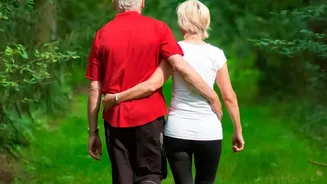
Timing and intensity are key to getting the most out of your walk. Most research suggests the ideal window is to start walking within 60 to 90 minutes after finishing your meal, with some studies showing benefits from walking almost immediately after. This is when your blood sugar levels are beginning to rise. The term “gentle” is also important. You’re not aiming for a power walk or a run; a light, comfortable pace is all you need. You should be able to easily hold a conversation. Strenuous exercise too soon after eating can sometimes lead to digestive discomfort. The goal isn't to burn calories, but to activate your muscles just enough to help them use up the incoming glucose.
Beyond Blood Sugar and Energy
The benefits don't stop at stable energy levels. A gentle post-meal walk also aids digestion. The light movement stimulates peristalsis, the wavelike muscle contractions that move food through your digestive tract. This can help reduce common discomforts like bloating, gas, and that overly full feeling. Over the long term, this simple habit contributes to better heart health by helping to manage blood pressure and triglycerides, which are fats in the blood. It also boosts your mood by releasing endorphins, turning your lunch break or post-dinner routine into a moment of stress relief.
Making It a Sustainable Habit
Incorporating this into your day is easier than you think. If you’re at the office, use your lunch break to take a quick walk around the building or a nearby park. Avoid the temptation to eat at your desk and then sit for the rest of the afternoon. At home, make it a family affair after dinner. A short stroll around your neighbourhood is a great way to connect with family members while reaping health benefits. The key is consistency. By linking the walk to a meal, you’re creating a powerful routine. Once you start noticing how much better you feel—more energy, less bloating, and a clearer mind—it becomes an easy habit to stick with.