

Why A 20-Minute Workout Works
It may sound too good to be true, but short, intense workouts can be incredibly effective. The principle is based on vigorous effort, which drives the physiological changes that matter for health. Research shows that even a few minutes of vigorous daily
activity can significantly lower health risks. These short sessions, often called 'exercise snacks', are easier to stick with, making them perfect for a busy student's schedule. The key is intensity. A focused 20-minute circuit that gets your heart rate up can deliver cardiovascular and strength benefits comparable to much longer sessions. You don’t need a gym membership; your own bodyweight provides all the resistance you need to build strength and endurance.
The 3-Minute Essential Warm-Up
Never skip the warm-up. It prepares your body for exercise by increasing blood flow and muscle flexibility, which helps prevent injury. A proper warm-up raises your muscle temperature, allowing them to work more efficiently. Spend about 3 minutes doing dynamic stretches, which involve continuous movement. This gets your body ready without the risk of over-stretching cold muscles. - Arm Circles: Stand with feet shoulder-width apart and make big circles with your arms, 30 seconds forward and 30 seconds backwards. - Leg Swings: Hold onto a wall or your desk for balance. Swing one leg forward and backward for 30 seconds, then switch legs. - Torso Twists: Stand with your feet slightly wider than your shoulders and twist your upper body from side to side for 60 seconds.
The 15-Minute Full-Body Circuit
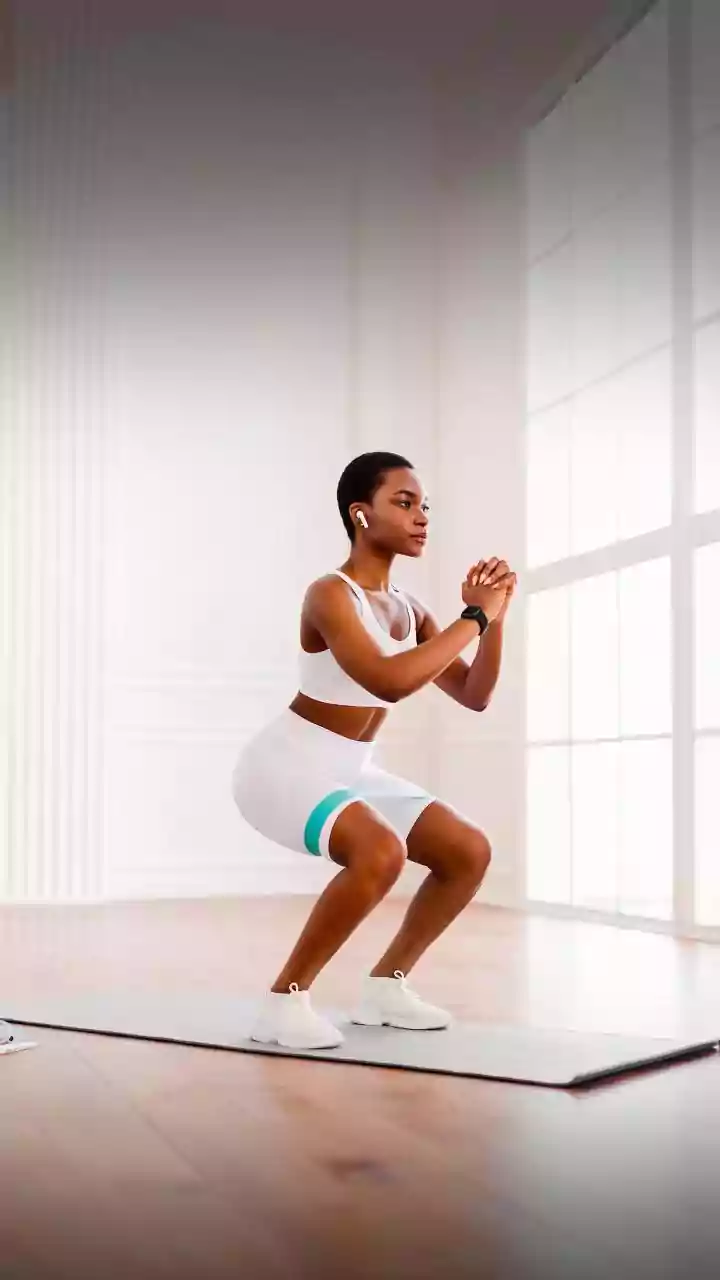
This is the core of your workout. It's a circuit of six exercises. The goal is to perform each exercise for 45 seconds, followed by 15 seconds of rest before moving to the next one. Once you complete all six, that's one round. Rest for 60 seconds, then repeat the entire circuit for a second round. Use a timer on your phone to keep track. 1. Jumping Jacks: A classic cardio move to elevate your heart rate. For a quieter, low-impact version, step one foot out to the side at a time while moving your arms. 2. Bodyweight Squats: Stand with feet shoulder-width apart. Lower your hips as if sitting in a chair, keeping your chest up and back straight. Go as low as you comfortably can, then push back up to the starting position. 3. Push-Ups: This targets your chest, shoulders, and arms. If a standard push-up is too hard, you can do them on your knees or with your hands elevated on your bed or a sturdy desk. 4. Lunges: Step forward with one leg and lower your hips until both knees are bent at a 90-degree angle. Push back to the start and alternate legs. This works your legs and glutes. 5. Plank: Hold a push-up position, but rest on your forearms instead of your hands. Keep your body in a straight line from head to heels. This is excellent for core strength. 6. Glute Bridges: Lie on your back with your knees bent and feet flat on the floor. Lift your hips off the floor until your body forms a straight line from your shoulders to your knees. Squeeze your glutes at the top, then lower back down.
The 2-Minute Cool-Down
Just as important as the warm-up, a cool-down helps your body gradually recover. It can help reduce muscle soreness and prevent dizziness by allowing your heart rate and breathing to return to normal. Hold each of these static stretches for 30 seconds, making sure not to bounce. - Quad Stretch: Standing, hold onto something for balance. Grab your right foot and gently pull your heel towards your glute, feeling a stretch in the front of your thigh. Repeat on the left side. - Hamstring Stretch: Sit on the floor with one leg straight out in front of you and the other bent with the sole of your foot against your inner thigh. Gently lean forward over the straight leg until you feel a stretch. - Chest Stretch: Sit or stand and clasp your hands behind your back. Straighten your arms and gently pull your shoulders back to open up your chest.